
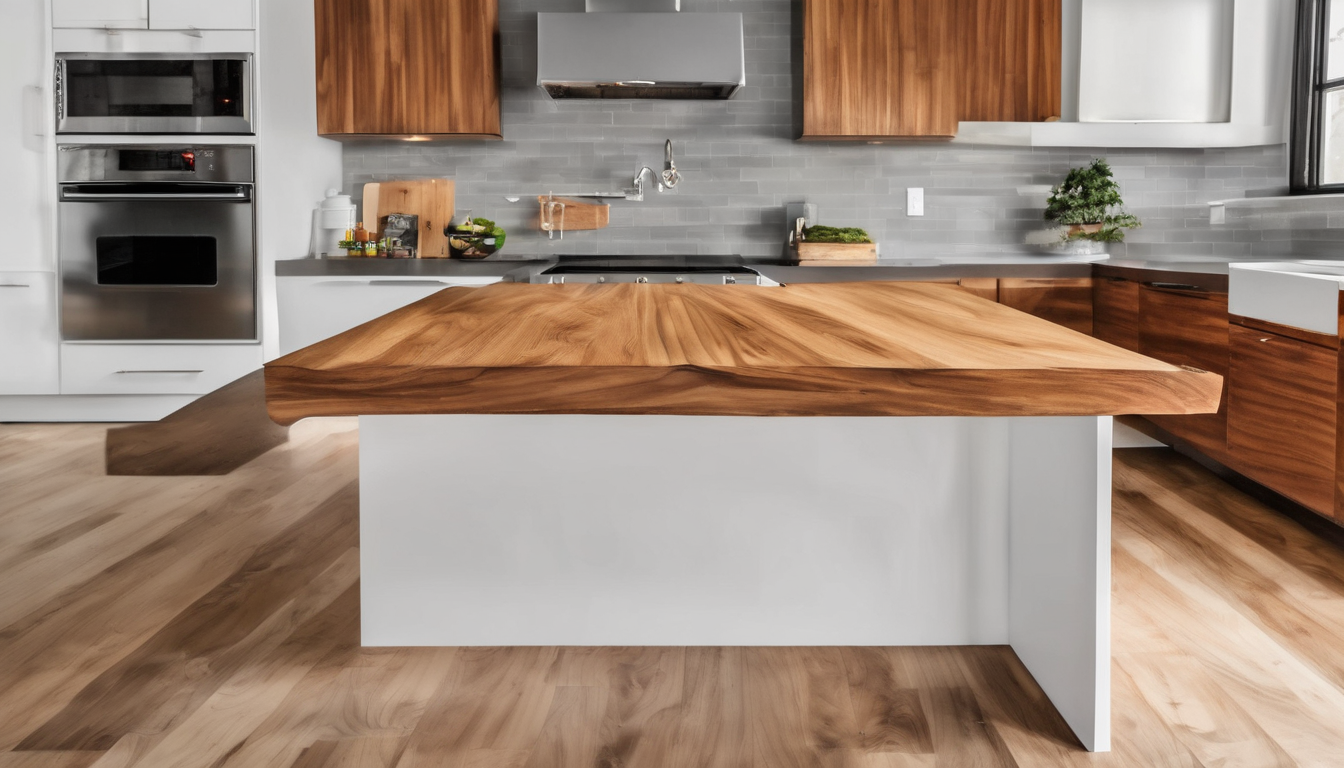

Choosing the right countertop material is a pivotal decision for any kitchen renovation. This guide focuses on comparing wood veneer countertops to solid wood and laminate options, exploring critical factors like durability, maintenance, aesthetic appeal, and cost. Wood veneer lives at the intersection of real wood’s beauty and engineered construction, while solid wood offers timeless authenticity, and laminate provides budget-friendly resilience. Understanding these materials in detail is key to avoiding common mistakes and ensuring long-term satisfaction with your kitchen surfaces.
Throughout this article, we’ll analyze each option’s strengths and weaknesses, share practical tips, and provide expert recommendations specifically tailored for high-use kitchens needing both style and function.
Introduction to Comparing Wood Veneer Countertops to Solid Wood and Laminate Options
Wood veneer countertops combine a thin layer of real wood bonded to a substrate, offering the warmth of wood while allowing for more economical and stable surfaces. In contrast, solid wood countertops consist entirely of wood boards or butcher block constructions, prized for their authenticity and natural durability. Laminate countertops use synthetic layers bonded to particleboard or MDF, noted for their low maintenance and affordability but lacking genuine wood characteristics.
Comparing wood veneer countertops to solid wood and laminate options involves evaluating trade-offs between aesthetics, performance, cost, and upkeep. This article aims to empower buyers with thorough knowledge to select the ideal kitchen surface that balances beauty and practicality.
Understanding Material Construction and Composition
Wood Veneer Countertops
Wood veneer countertops feature a thin slice of real wood, often around 1mm thick, adhered to a stable core material such as plywood or MDF. This engineered panel creates a lightweight and cost-effective countertop with consistent grain patterns and fewer imperfections than solid wood. The veneer is carefully selected to match wood grains across the surface, enabling impressive visual coherence and the use of rare wood species without the expense of solid slabs.
Solid Wood Countertops
Solid wood countertops are constructed from full-thickness wood boards placed edge-to-edge or assembled as butcher block panels with end grain or edge grain orientations. This offers maximum natural wood appeal and tactile warmth but requires attention to wood movement caused by humidity changes. Hardwood species with high Janka hardness ratings, like maple or walnut, enhance durability.
Laminate Countertops
Laminate countertops consist of printed or textured decorative layers fused to a particleboard or fiberboard base. They mimic wood or other materials but do not contain real wood. Laminate offers excellent stain, scratch, and moisture resistance and is one of the most budget-friendly options available, though repairability is limited.
Durability and Longevity: Comparing Wood Veneer Countertops to Solid Wood and Laminate Options
Durability varies considerably between these materials. Comparing wood veneer countertops to solid wood and laminate options highlights important distinctions:
- Wood veneer is more resistant to warping than solid wood due to its engineered base but remains vulnerable to water damage if moisture penetrates beneath the veneer, potentially causing bubbles or peeling.
- Solid wood excels in durability with thicker material but requires careful sealing and maintenance to prevent warping, stains, dents, or scratching. Hardwoods with higher Janka ratings provide the best resistance to wear.
- Laminate countertops outperform both wood countertop types in moisture and scratch resistance, making them highly suitable for busy kitchens where low maintenance is essential. However, laminate is prone to chipping and cannot be refinished like wood surfaces.
Proper sealing dramatically extends the life of wood veneer and solid wood countertops. Water-based or oil-based polyurethane finishes and food-safe oils help safeguard wood surfaces from damage and swelling[1][2].
Appearance and Design Flexibility
Comparing wood veneer countertops to solid wood and laminate options in terms of aesthetics reveals distinct characteristics:
- Wood veneer offers highly consistent and stunning wood grain patterns because veneers come from carefully sliced logs. This allows craftsmen to create seamless visual effects using rare or exotic species that would be cost-prohibitive as solid slabs[2]. The thin veneer can be stained or finished easily to achieve varied tones.
- Solid wood boasts unmatched authenticity and texture. Each plank’s natural imperfections contribute to unique character, favored by those seeking traditional or rustic kitchen styles. Over time, solid wood develops a patina adding to its charm but requires acceptance of natural aging marks like dents or scratches.
- Laminate can imitate wood grain with impressive accuracy and offers the widest palette of colors and patterns. While lacking tactile warmth, laminate enables various design styles at lower budgets with easy cleaning surfaces.
Maintenance Requirements and Repairability
Comparing wood veneer countertops to solid wood and laminate options on maintenance clarifies user commitment levels:
- Wood veneer requires regular sealing and avoiding prolonged water exposure. Surface scratches can be repaired by light sanding and refinishing, although damage to the veneer layer can be harder to fix than solid wood. Vigilance against moisture is essential to prevent delamination.
- Solid wood countertops, such as butcher block, need periodic oiling or resealing to retain moisture resistance. Scratches, dents, and stains are repairable through sanding and refinishing, often achievable with DIY methods. Sensitive to heat and liquids, these surfaces require protective mats and prompt cleaning[3][4].
- Laminate countertops are low maintenance, cleaned easily with mild detergents. However, chips or deep scratches are difficult to repair and often necessitate full surface replacement or patching, which can be noticeable. Laminate is also vulnerable at seam joints over time.
Cost and Value Analysis
Cost considerations often drive countertop choices. Comparing wood veneer countertops to solid wood and laminate options from a financial perspective reveals:
- Wood veneer provides a mid-range price point, combining affordability with real wood appeal. It offers better value than solid wood when using exotic species due to less material needed, but installation and sealing are still key expenses.
- Solid wood tends to be the most expensive among the three, especially with premium hardwoods and butcher block designs. However, its longevity and ability to be refinished multiple times can justify the investment.
- Laminate is the most affordable option upfront. Its durability and low maintenance create ongoing savings, but it typically has a shorter lifespan and lacks the ability to be refinished, reducing long-term value.
Environmental Impact and Sustainability Considerations
When comparing wood veneer countertops to solid wood and laminate options, ecological factors differ:
- Wood veneer is considered environmentally friendly due to efficient use of wood—slicing thin sheets extends the utility of a single log and reduces waste. Choosing sustainably sourced veneers enhances this benefit.
- Solid wood, if harvested responsibly from certified forests, represents a renewable, natural material that can last generations, reducing frequent replacements.
- Laminate involves synthetic resins and adhesives derived from petrochemicals, making it less eco-friendly. Disposal at end-of-life also poses environmental concerns as it is not biodegradable.
Common Mistakes to Avoid When Choosing Wood Veneer Countertops
Consumers often make errors when selecting wood veneer countertops. Key pitfalls include:
- Failing to ensure proper sealing and finishing, which leaves veneer vulnerable to moisture penetration and damage.
- Choosing veneers that are too thin or glued poorly, increasing risk of bubbling or peeling over time.
- Underestimating the kitchen environment’s humidity and heat levels, which can accelerate veneer wear if not accounted for.
- Ignoring substrate quality; lower-grade cores can compromise veneer stability and lifespan.
Expert Tips for Choosing the Best Countertop Material
- Opt for edge grain solid wood or high-quality butcher block if you want classic durability and plan for occasional maintenance.
- Use veneer countertops in areas where cost-efficiency and design flexibility are priorities, but ensure professional finishing to protect against moisture.
- Choose laminate where budget and stain resistance outweigh the need for natural wood texture, especially in high-traffic or wet zones.
- Regularly maintain wood surfaces with oiling or resealing; invest in protective accessories such as cutting boards and trivets to maximize lifespan.
Conclusion: Comparing Wood Veneer Countertops to Solid Wood and Laminate Options
In summary, comparing wood veneer countertops to solid wood and laminate options reveals a balance of aesthetics, durability, maintenance, and cost considerations. Wood veneer offers a powerful combination of natural beauty and structural stability at a reasonable price but needs careful sealing and moisture management. Solid wood provides the ultimate authentic wood experience with excellent repairability but requires commitment to upkeep and a higher upfront investment. Laminate excels in durability, stain resistance, and maintenance ease, making it an excellent budget-friendly option yet lacks genuine wood’s warmth and repair potential.
Choosing the right countertop depends on your kitchen’s usage patterns, style preferences, and willingness to maintain the surface. Careful evaluation using the insights presented will help you select a countertop that delivers long-term satisfaction in both function and form.
