
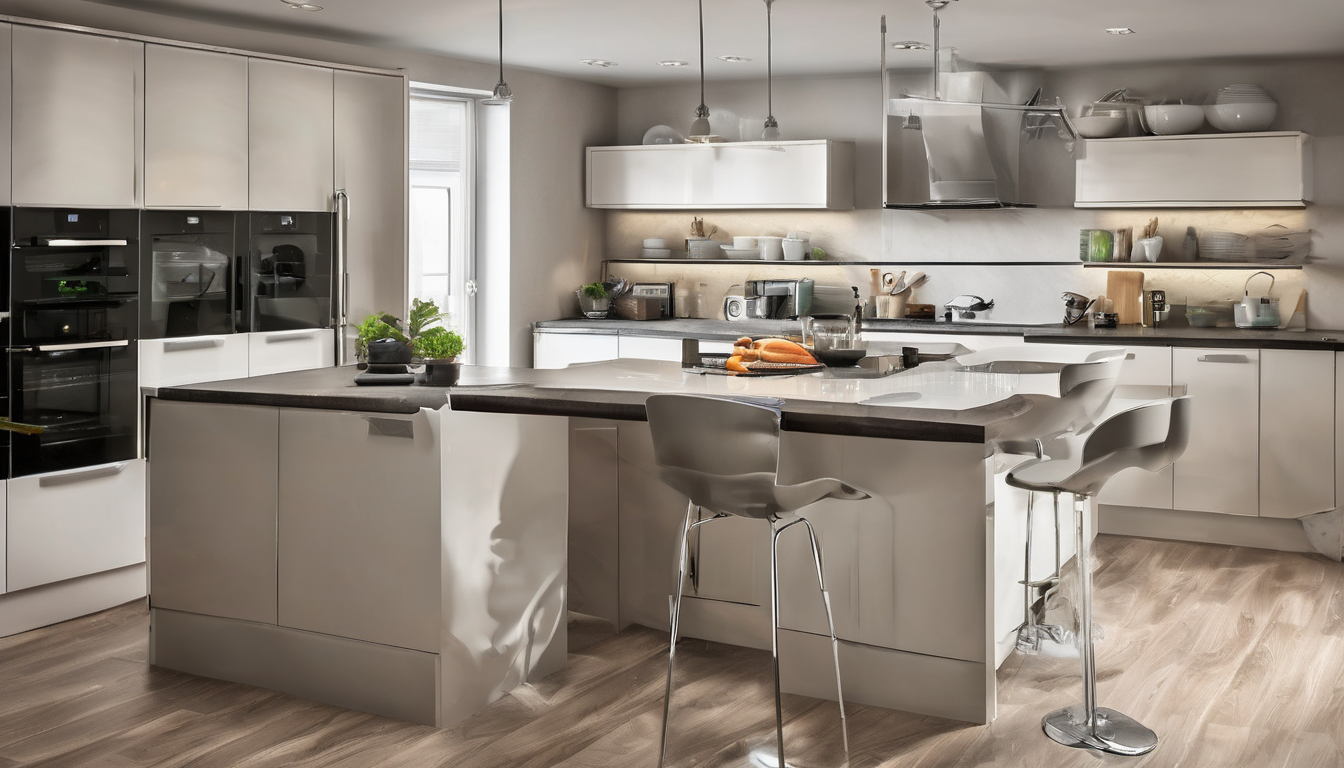

Kitchen fitting companies vary widely in specialization, quality, and style, making the best mainstream kitchen fitting company one that balances quality craftsmanship, reliable service, variety of designs, and value for money. Selecting a fitting company is a complex process influenced by various factors from bespoke joinery to installation guarantees and design flexibility.
With numerous companies competing in the UK market, ranging from budget-friendly options like IKEA to premium providers like Magnet and bespoke specialists such as John Lewis of Hungerford, understanding these differentiators helps homeowners make informed decisions. This article details ten essential factors to evaluate when seeking the best mainstream kitchen fitting company for your home renovation or new build.
Understanding Kitchen fitting companies vary widely in specialization, quality, and style, making the “best mainstream kitchen fitting company” one that balances quality craftsmanship, reliable service, variety of designs, and value for money.
Kitchen fitting companies differ significantly in their areas of specialization, execution quality, and stylistic approaches. Some focus on premium bespoke cabinetry and traditional joinery techniques, often at higher price points, while others offer affordable flat-pack designs with quicker installations. The best mainstream kitchen fitting company balances these variables to deliver a quality product matched with reliable service and design variety at a fair price.
For example, Wickes is known for affordable yet robust fitted kitchens with a broad range of designs and installation warranties, appealing to budget-conscious homeowners needing a comprehensive one-stop solution. Conversely, Magnet emphasizes premium craftsmanship with in-house manufacturing and installation, suitable for buyers seeking high-end finishes and long-lasting durability. IKEA offers trendy, economical kitchens popular with first-time buyers but with limited bespoke options. This landscape illustrates the importance of matching company strengths with client priorities to identify the best fit[1][2][3][5].
1. Quality Craftsmanship and Materials
The foundation of any kitchen fitting project is the quality of materials and workmanship. The best mainstream kitchen fitting companies commit to high-grade cabinetry, durable hardware, and precise joinery. They often source quality timbers or engineered materials designed to withstand kitchen wear.
Companies like Magnet and Naked Kitchens highlight factory-controlled manufacturing processes that ensure consistent construction quality, often providing warranties to back materials and workmanship. Material choices, such as solid plywood carcasses versus MDF, impact durability and customer satisfaction significantly. expert craftsmanship also influences cabinet fit, door alignment, and surface finishes, all critical to a polished kitchen look[3][5].
2. Reliable Service and Installation Expertise
Kitchen fitting companies vary widely in their service scope. Some supply only cabinets and hardware, leaving installation to local tradespeople, while others offer full-service solutions, including professional design, measurement, delivery, and expert installation with guarantees. The best companies ensure smooth project management from consultation through completion.
For example, Wickes provides experienced local installers and a two-year workmanship guarantee, enhancing customer peace of mind. Rapid Kitchens boasts a one-day full installation service, addressing disruption issues during renovation. Choosing a company with TrustMark accreditation or equivalent seals also signals recognized installation expertise and consumer protection[1][2][3][7].
3. Variety and Flexibility of Design Options
A hallmark of the best mainstream kitchen fitting company is an extensive range of design styles, finishes, and layouts to suit diverse customer tastes and home architectures. Companies like Wickes offer numerous bespoke and flat-pack ranges in multiple colours, allowing tailored kitchen concepts from modern minimalist to traditional shaker styles.
Access to design consultations, 3D visualisation tools, and virtual reality experiences help customers envisage their kitchens before purchase, supporting confident decision-making. Flexibility in cabinetry sizing, door styles, and fittings enables customization within mainstream affordability. This variety ensures more homeowners can find a kitchen that matches their vision and lifestyle[1][2][5].
4. Value for Money and Transparent Pricing
Cost considerations greatly influence the perceived quality of kitchen fitting companies. The best mainstream companies balance premium materials and craftsmanship with competitive, transparent pricing. They avoid hidden costs and clearly delineate supply and installation charges.
Budget brands like IKEA and Wickes provide accessible price points with design services and installation options, while companies such as Magnet command premium prices for higher-end kitchens but justify them through superior quality and service. Comparing price-per-cupboard unit, installation fees, and warranty terms clarifies value for money. Free design consultations and no-obligation quotes offered by many companies promote transparency and informed choices[1][2][3][5].
5. Warranty and Post-Installation Support
Reliable warranties covering both product defects and installation workmanship are crucial indicators of a kitchen fitting company’s confidence in its offerings. The best companies provide multi-year guarantees and responsive customer support to resolve any post-installation issues swiftly.
Companies such as Wickes include a two-year workmanship guarantee, while Magnet often extends warranties on materials and installation. Effective aftercare support reduces customer stress during kitchen use and repairs, increasing overall satisfaction and trust[2][3].
6. Customization Capabilities and Bespoke Joinery
While mainstream kitchen companies offer a wide variety of designs, customization and bespoke joinery set the best apart for homeowners seeking unique kitchens that fit challenging spaces or specific style narratives. Bespoke joinery accommodates irregular layouts and incorporates handcrafted details.
Heritage joinery specialists and bespoke kitchen makers like John Lewis of Hungerford and Chamber Furniture provide fully tailored kitchens using traditional methods and high-end materials. Even some mainstream companies now integrate semi-bespoke options, permitting adjustments in cabinet sizes, finishes, and internal storage solutions to better meet individual needs[4][5].
7. Customer Reviews and Company Reputation
Online reviews, testimonials, and professional endorsements provide valuable insight into a kitchen fitting company’s real-world performance. High customer satisfaction scores and recommendations often correlate with reliable service and product quality.
Trusted platforms like Which? Trusted Traders vet kitchen fitters for reputability, while independent review sites showcase repeated positive experiences. Word-of-mouth referrals and case studies demonstrating successful kitchen installations instil confidence in prospective customers selecting between companies[2][7].
8. Supply-Only vs. Complete Installation Services
Many kitchen fitting companies vary in whether they operate on a supply-only basis or provide complete installation services, including delivery, installation, and project management. Understanding this distinction is essential in assessing which company meets your project needs.
Supply-only companies such as Rapid Kitchens provide competitively priced kitchen units, often with simplified ordering and quick delivery. However, they require the homeowner to arrange installation separately. Conversely, companies like Magnet or Wickes offer integrated installation packages, reducing logistical hassle and ensuring professionally managed kitchen fitting[1][2][3].
9. Sustainability and Responsible Material Sourcing
With increased consumer demand for eco-friendly products, the best mainstream kitchen fitting companies prioritize sustainable manufacturing processes and responsibly sourced materials. This adds value for environmentally conscious homeowners seeking durable kitchens with a lower carbon footprint.
Magnet, for instance, publicly advocates sustainability, using FSC-certified timbers and minimising waste. Such companies often integrate recycled content and environmentally sensitive finishes, aligning product stewardship with modern sustainability standards and customer values[3].
10. Innovation and Use of Technology in Design
Leading kitchen fitting companies leverage technological advances to enhance design accuracy, customer engagement, and installation precision. Tools like 3D kitchen design software and virtual reality walkthroughs help customers visualise layouts and finishes before committing.
Furthermore, production technologies such as CNC machining ensure highly accurate cabinet components for seamless fit and finish. These innovations reduce errors, shorten timelines, and improve overall project satisfaction. Firms embracing these technologies offer distinct advantages in quality and customer experience[1][3][5].
Expert Tips for Choosing the Best Mainstream Kitchen Fitting Company
- Assess your budget and desired level of customization: Match companies whose pricing and design flexibility align with your project scope.
- Request detailed quotes and warranty information: Transparent pricing and strong guarantees protect your investment.
- Review customer feedback and credentials: Look for TrustMark accreditation and positive verified reviews.
- Clarify installation responsibilities: Decide whether to choose supply-only or full-service arrangements based on your preferences.
- Consider sustainability credentials if important: Ask about responsible sourcing and green manufacturing.
- Utilize design consultations and technology: Engage with companies providing 3D visualisation or VR previews to refine your concept prior to installation.
Conclusion
Kitchen fitting companies vary widely in specialization, quality, and style, making the best mainstream kitchen fitting company one that balances quality craftsmanship, reliable service, variety of designs, and value for money. By carefully evaluating factors such as craftsmanship, installation expertise, design options, pricing transparency, and aftercare support, homeowners can select companies that meet their unique needs and expectations.
Examining market leaders like Wickes for affordability and installation guarantees, Magnet for premium quality and sustainability, or IKEA for budget-conscious trends helps contextualize choices available. Ultimately, pairing these insights with your project requirements ensures a satisfying kitchen transformation.
