
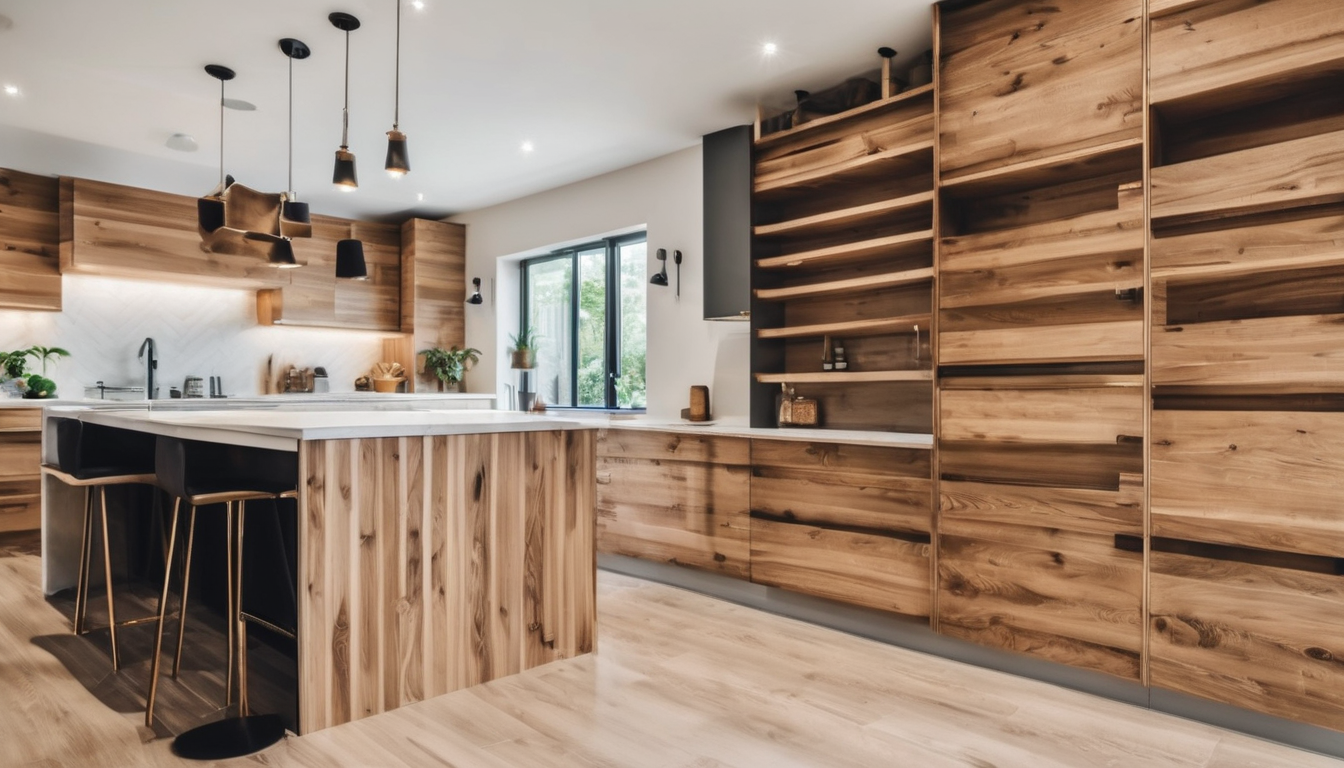

Choosing the best timber choices for affordable first fix carpentry is fundamental to managing construction costs while ensuring a structurally sound build. The “first fix” stage in carpentry typically involves structural framing activities such as wall studs, floor joists, roof trusses, ceiling joists, and other load-bearing timber components. The timber selected here has to balance strength, availability, workability, and, crucially, cost.
This comprehensive pricing guide dives deep into the top timber species suited for First Fix Carpentry, their approximate cost ranges, and factors that influence pricing. By strategically selecting timber, builders and homeowners can significantly reduce first fix carpentry costs without compromising quality or longevity.
Understanding Best Timber Choices for Affordable First Fix Carpentry
First fix carpentry forms the backbone of any building structure. It primarily involves timber framework that supports floors, walls, and roofs. Choosing the best timber choices for affordable first fix carpentry means opting for species that provide optimum strength-to-cost ratio. Softwoods dominate this arena due to their widespread availability, ease of handling, and structural adequacy.
Softwoods like pine, spruce, and fir are preferred because they are lighter, easier to cut, and dimensionally stable post-drying. While hardwoods offer durability and aesthetic appeal, their increased cost and heavier weight generally render them unsuitable for structural framing. However, treated timber variants or engineered wood products may also be viable alternatives when budget allows.
Top 9 Timbers for Affordable First Fix Carpentry
Here are the nine most popular and cost-effective timber options widely used in first fix carpentry, with a focus on balancing quality and budget:
- Pine: The most common softwood for framing. Affordable, widely available, and easy to work with. Often used untreated in dry areas and treated for moisture-prone zones[1][2][6].
- Spruce: Lightweight with good strength. Similar to pine but generally softer. Common in residential projects and ideal for wall studs and joists[1][2][6].
- Fir (Douglas Fir and SPF): Douglas Fir is strong with a straight grain, ideal for load-bearing structures; SPF (Spruce-Pine-Fir) is a mix offering an economical option with reliable structural integrity[1][3][6].
- Southern Yellow Pine: Denser and heavier, with excellent load-bearing properties. Often treated and suitable for floor joists or roof rafters requiring extra strength[1][3][5].
- Hemlock: Straight grain softwood, moderately priced with good strength properties. Less common but suitable for framing where acidity-sensitive fasteners are used[6].
- Cedar: Naturally resistant to decay and insects, good for both interior and exterior first fix carpentry where moisture might be an issue. Slightly higher cost but long-term savings on repairs[1][2][6].
- Redwood: Similar to cedar with natural resistance to decay. Prized for outdoor structural use, though costlier and less commonly used for basic framing due to higher price[2][5].
- Reclaimed Timber: Old-growth wood reclaimed from demolished buildings. Often well-seasoned and stable but requires careful inspection. Can save costs but may have hidden defects[4].
- Engineered Wood Products (e.g., LVL, Glulam): Manufactured for uniform strength and often more predictable dimensions. Although initially more expensive, labor savings and enhanced performance can reduce overall costs in first fix carpentry[4][6].
Pricing Breakdown for First Fix Timber
Timber costs vary widely depending on species, grade, treatment, and location. Below is a typical price range for common softwoods per linear meter or board foot for first fix purposes, reflecting market averages (priced in GBP for UK context):
| Timber Type | Price per Linear Meter (£) | Price per Board Foot (£) | Typical Use |
|---|---|---|---|
| Pine (Untreated) | 3.50 – 5.50 | 0.80 – 1.50 | Wall studs, joists, general framing |
| Spruce | 3.00 – 5.00 | 0.70 – 1.40 | Studs, rafters, light structural framing |
| Douglas Fir | 5.00 – 7.50 | 1.20 – 2.00 | Load-bearing beams, heavy framing |
| Southern Yellow Pine (Treated) | 4.50 – 6.50 | 1.10 – 1.80 | Floor joists, exterior framing |
| Cedar | 6.50 – 9.00 | 1.60 – 2.50 | Areas prone to moisture, exterior studs |
| Redwood | 7.00 – 10.00 | 1.70 – 2.80 | Outdoor framing, moisture-resistant applications |
| Reclaimed Timber | Variable (Often 3.00 – 7.00) | Variable | Seasoned framing, potentially decorative |
| Engineered Wood (LVL, Glulam) | 10.00 – 15.00 | 2.50 – 3.50 | Heavy load-bearing beams, precision framing |
Factors Affecting Affordable Timber Pricing
- Treatment: Pressure-treated wood resists decay and insects but costs 15-30% more than untreated timber.
- Grading: Structural grade timber with fewer knots and defects commands higher prices.
- Supply and Availability: Regional timber availability impacts pricing; local softwoods generally cost less.
- Seasoning and Moisture Content: Kiln-dried timber costs more but reduces shrinkage and warping risks, saving long-term costs.
- Transport and Handling: Bulk orders reduce unit cost; difficult site access or small orders increase cost per unit.
- Species Demand: High demand for decay-resistant or specialty species pushes prices higher.
Cost-Saving Tips for Selecting First Fix Carpentry Timber
- Mix Treated and Untreated Timber: Use treated timber only where necessary (e.g., below damp proof course or external walls) and untreated otherwise to save costs.
- Opt for Standard Dimensions: Using standard timber sizes reduces waste and waste disposal costs.
- Plan Efficiently: Accurate measurements and planning avoid over-ordering.
- Source Locally: Reduce transport costs and support local suppliers.
- Consider Engineered Timber: Though more expensive per unit, engineered timber can speed up installation and reduce wastage.
- Use Reclaimed Timber When Possible: Ideal for non-critical components and adds sustainability benefits.
Common Mistakes That Inflate First Fix Timber Costs
Understanding what not to do is equally important. The following common mistakes often cause cost overruns:
- Poor Planning Leading to Over-Ordering: Ordering more timber than needed wastes materials and money.
- Ignoring Timber Treatment Needs: Using untreated timber in damp areas may require costly replacements later.
- Buying High-Grade Timber for Non-Structural Tasks: Over-specifying timber quality where lower grades suffice increases cost unnecessarily.
- Improper Storage on Site: Allowing timber to absorb moisture results in warping and replacement costs.
- Lack of Coordination with Other Trades: Delays and rework increase labour and material costs.
Expert Tips for Choosing Best Timber Choices for Affordable First Fix Carpentry
- Always specify timber grade according to the structural requirements outlined in building regulations; over-specifying may cost more but won’t enhance safety.
- Use SPF (Spruce-Pine-Fir) as a budget-friendly alternative to Douglas Fir without compromising structural integrity in most residential framing.
- Employ pressure-treated Southern Yellow Pine for ground-contact framing parts to prevent rot and extend lifespan.
- Integrate engineered wood where long spans or larger loads occur to maximize material efficiency and achieve consistent dimensions.
- Maintain clear communication between carpentry, masonry, and roofing trades to streamline material flow and reduce idle inventory.
Conclusion: Best Practices for Timber Selection in First Fix Carpentry
Choosing the best timber choices for affordable first fix carpentry is a balancing act involving cost, strength, durability, and project specifics. Softwoods such as pine, spruce, fir, and Southern Yellow Pine are proven economical and reliable options for framing. Complementing good timber selection with effective planning, treatment considerations, and coordination with other trades can substantially reduce first fix carpentry costs.
By understanding timber pricing structures and avoiding common pitfalls, builders can maintain structural integrity and craftsmanship quality while staying on budget, ultimately leading to successful, cost-efficient construction projects.
