
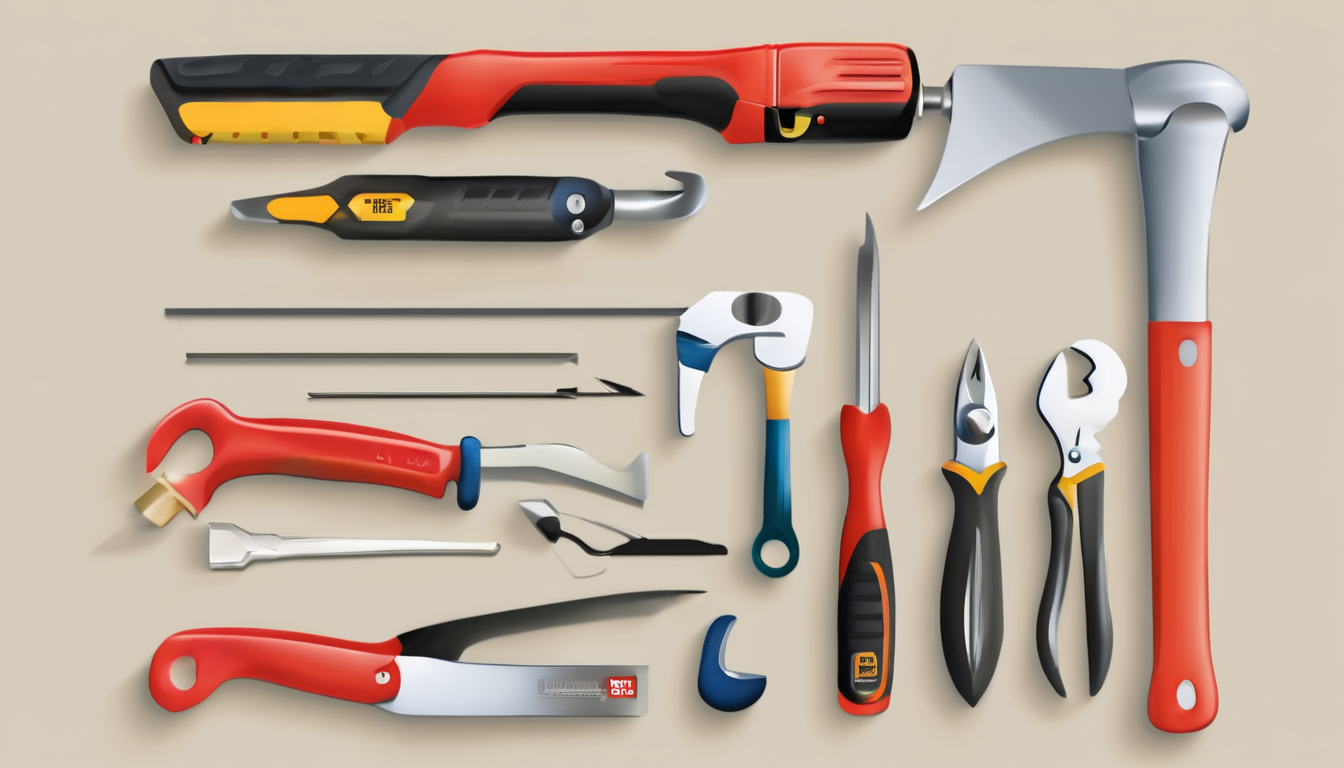

First fix carpentry is a foundational phase in building construction where structural elements such as framing, joists, stud walls, and roofing components are installed. While it is crucial to get these elements right, one of the biggest challenges carpenters and project managers face is speeding up first fix carpentry work without compromising quality. Delays and inefficiencies not only increase labour costs but can also derail entire project schedules.
Understanding the specific causes of slow progress—such as inadequate tools, poor planning, inaccurate measurements, and uncoordinated workflows—is key to addressing this challenge. Fortunately, many Tools and Techniques that speed up first fix carpentry work have been developed, combining modern power tools with streamlined approaches to material handling, layout, and teamwork.
This article delves deeply into these practical, actionable solutions so you can reduce labour time, increase accuracy, and lower overall costs during your next first fix carpentry project.
Understanding Tools and Techniques That Speed Up First Fix Carpentry Work
First fix carpentry refers to the initial structural phase where the skeletal framework is established. Delays often stem from a mix of inefficient tool use, imprecise measurements, labor-intensive manual processes, and disorganized material logistics. To counter these, it is essential to implement a combination of the right tools and optimized techniques tailored to the first fix scope.
These tools and techniques that speed up first fix carpentry work enable faster cutting, accurate layout, easy fastening, and well-coordinated workflows, significantly reducing wasted time on site and costly rework.
Power Tools That Accelerate First Fix Carpentry
Investing in powerful, reliable tools is foundational for speeding up first fix carpentry work. Here are crucial power tools every carpenter should master and deploy:
Circular Saws with Rip Fences or Guides
Circular saws remain the backbone for quick and precise cutting of timber studs, plates, and plywood sheathing. Adding rip fences or guides improves straight cuts, reducing corrections and wasted material[1][2].
Cordless Impact Drivers and Drill Drivers
Cordless drills paired with impact drivers allow rapid screw insertion and pilot hole drilling. Their portability supports fast operation across different framing points without delay[1][4].
Nail Guns
Nail guns dramatically increase fastening speed compared to hammering. Framing nailers, especially those powered by compressed air or battery, enable rapid assembly of stud walls and floor joists, boosting productivity[1][7].
Laser Levels and Digital Measures
Laser levels ensure level and plumb alignment with visual laser guides, significantly cutting down time spent with manual spirit levels. Digital measuring tools enhance layout accuracy, avoiding costly errors[1].
Additional Power Tools
Tools like cordless planers for smoothing timber on-site and portable saw horses for quick setup of cutting stations also contribute to faster workflows[7].
Precise Measuring and Marking Techniques
Accurate layout is vital to avoid rework and ensure components fit together effortlessly. Techniques that save time include:
Use of Chalk Lines and String Layout
Chalk lines enable fast marking of long straight lines for wall plates and stud placement, reducing guesswork and manual rechecking[5].
Pre-measured Cutting Lists
Preparing cutting lists before reaching the site allows faster, batch cutting of multiple studs and joists with fewer pauses, especially when combined with stop blocks on saws.[4]
Template and Jig Usage
Building templates for repetitive cuts or identical joinery elements minimizes measurement errors and speeds up marking. Jigs for drilling or cutting ensure consistent results without re-measuring[7].
Efficient Material Handling and Prefabrication
Timber handling and organization directly impact speed. By adopting these material management strategies, carpenters save significant time:
Prefabrication of Wall Sections
Constructing stud walls or roof trusses off-site or in a controlled workshop environment reduces on-site labour time. This approach also lowers waste and improves quality control[3].
Organized Material Staging
Keeping lumber sorted by size and dimension close to the work area reduces retrieval time and unnecessary carrying of heavy materials back and forth[1].
Use of Modular and Standardised Components
Utilizing prefabricated components like metal connectors, joist hangers, and pre-cut timber optimizes assembly speed and reduces complex custom fitting[3][7].
Streamlined Assembly and Fastening Methods
Fastening methods must balance speed and strength. Some powerful techniques include:
Combination of Nails and Screws
Using nails for initial rapid placement, followed by screws for permanent secure fastening, merges speed and durability, especially in load-bearing frames[4].
Pre-drilling and Countersinking
Pre-drilling pilot holes for screws prevents wood splitting, enhancing assembly speed by avoiding corrective fixes. Countersinking ensures screw heads sit flush, improving joint quality[4].
Use of Pneumatic or Battery-Powered Nail Guns
These tools dramatically reduce fastening time for studs and plates compared to traditional hammering, particularly on large projects[1][7].
Coordinating First Fix Carpentry with Other Trades
Delays often arise from poor coordination with other trades. Techniques to avoid downtime include:
Collaborative Scheduling
Aligning first fix carpentry schedules with mechanical, electrical, and plumbing (MEP) trades ensures the timber framework accommodates service runs without frequent modifications[3].
Clear Communication and Planning
Using shared project plans, digital models, or site meetings to anticipate clashes saves time by resolving issues before on-site work[3].
Early Installation of Service Zones
Marking and allowing space for pipes, ducts, and cables during first fix avoids extensive cutting later, enabling faster progress for all trades[3].
Common Mistakes That Slow First Fix Carpentry and How to Avoid Them
Recognizing and addressing these pitfalls can keep work on track:
- Inaccurate measurements causing re-cuts and poor fits
- Lack of proper tools resulting in inefficient manual labour
- Failure to prefabricate or organize materials leading to wasted time
- Poor communication with other trades causing conflicts on site
- Overreliance on manual fastening instead of nail guns or impact drivers
Actively monitoring and adjusting processes based on these common issues significantly improves pace without sacrificing quality[1][3].
Expert Tips to Speed Up First Fix Carpentry
- Invest early in quality cordless power tools — they offer flexibility and eliminate time spent managing cords or moving compressors.[1][5]
- Use cutting jigs and stops for repetitive, consistent cuts to avoid measuring each piece separately.[7]
- Organize your workflow by grouping similar tasks to reduce tool changeover and setup time.[1]
- Communicate clearly with site teams daily to anticipate and resolve issues that might cause delays.[3]
- Consider modular wall and roof sections prefabricated off-site to reduce on-site labour and weather dependency.[3]
Conclusion: Understanding Tools and Techniques That Speed Up First Fix Carpentry Work
Mastering the right combination of tools and techniques that speed up first fix carpentry work is essential for boosting productivity and lowering costs in construction projects. Leveraging powerful circular saws, nail guns, and laser levels along with smart measuring, prefabrication, and coordination methods formulates a streamlined workflow. Avoiding common mistakes and embracing modern fastening and assembly methods ensures your work is both fast and structurally sound.
Applying these insights from tool selection to project planning will help you deliver first fix carpentry work quickly while upholding the highest craftsmanship standards.
