
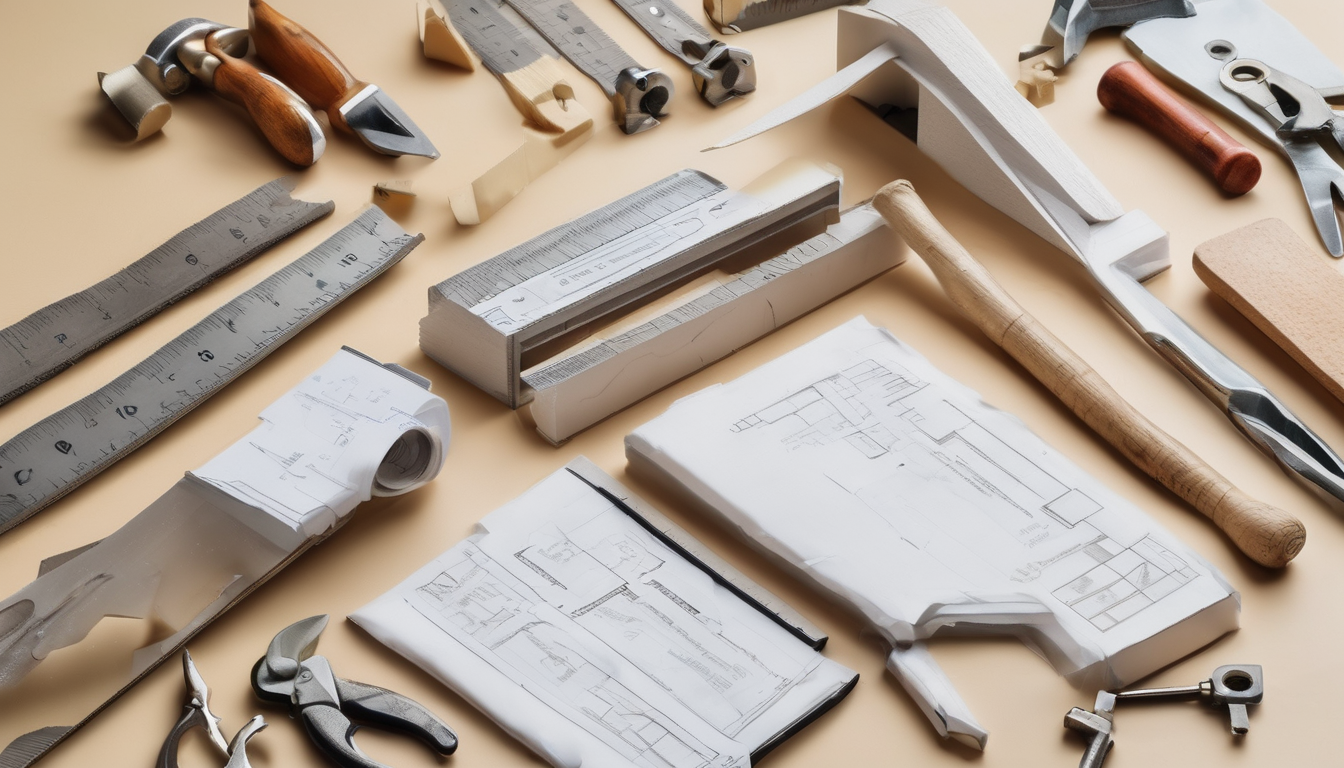

Second fix carpentry is a vital stage in construction and renovation, focusing on the precise installation and finishing of woodwork such as doors, skirting boards, architraves, and staircases. Understanding the Cost Breakdown and pricing factors for second fix carpentry services is crucial for homeowners, builders, and project managers to budget accurately and ensure quality finishes. This comprehensive guide covers typical costs, components that affect pricing, and practical considerations for second fix carpentry.
Second fix carpentry demands skilled craftsmanship as it involves the visible, final woodwork elements that shape the aesthetics and functionality of a home’s interior. These services often follow the first fix structural carpentry and include fitting doors, windows, stairs, and decorative wood trims. Below, you will find detailed insights into how these services are priced and what influences costs, helping you make informed decisions with your carpentry projects.
Understanding Cost Breakdown and Pricing Factors for Second Fix Carpentry Services
Second fix carpentry refers to the finishing phase of carpentry where visible fixtures such as doors, skirting, and architraves are installed and finished. The complexity, precision, and finish quality required at this stage often make it more labor-intensive and skill-dependent than earlier structural work. Therefore, costs differ based on materials, labour intensity, and project scope.
The cost breakdown and pricing factors for second fix carpentry services generally include material costs, labour charges, project complexity, and additional finishing requirements. Additionally, regional labour rates and contractor expertise significantly shape the price customers pay.
Key Pricing Components in Second Fix Carpentry Services
Examining the components that contribute to second fix carpentry pricing helps clarify where your money goes:
- Materials: The cost of timber (softwood, hardwood, MDF), fixings, adhesives, and finishes varies widely, influencing overall pricing.
- Labour: Highly skilled labour is essential, with rates fluctuating based on experience and location.
- Complexity of Work: Intricate joinery, bespoke fitting, or period restoration increases both time and cost.
- Project Size: Larger projects often benefit from economies of scale but require more total budget.
- Tools and Equipment: Use of specialist tools or installation techniques can impact efficiency and cost.
- Finishing and Detailing: Higher-end finishes and requirements for precision corner joints or mitres add cost.
- Access and Site Conditions: Difficult access or working in occupied homes can increase labour time and costs.
Typical Cost Ranges for Second Fix Carpentry Tasks
Based on current UK market data (2025), here are approximate cost ranges for common second fix carpentry jobs, including labour and materials but excluding VAT:
| Task | Price Range (GBP) | Average Cost (GBP) |
|---|---|---|
| Supply & Fit Skirting Board (per linear meter) | £20 – £40 | £30 |
| Door Hanging (Labour only, per door) | £80 – £140 | £120 |
| Architrave Installation (per linear meter) | £9 – £20 | £14 |
| Staircase Finishing (labour & materials) | £775 – £1,700 | £1,200 |
| Bespoke Wardrobe Installation | £800 – £1,400 | £1,100 |
| Fitted Kitchen Carpentry (labour only, per unit) | £150 – £300 | £220 |
These ranges reflect regional variations and project particulars. For example, a luxury hardwood door installation with premium finishes will cost at the higher end, while MDF skirting in a straightforward fit will be at the lower end[2][3][4][6].
Material Choices and Their Impact on Pricing
The choice of materials directly affects the cost breakdown and pricing factors for second fix carpentry services. Common material categories include:
- MDF and Softwood: Economical and easier to handle, frequently used for skirting and architraves; cost-effective for budget-conscious projects.
- Hardwoods (Oak, Ash, Walnut): More durable and aesthetic; significantly increase costs due to higher material prices and more intensive finishing.
- Veneers and Engineered Woods: Mid-range options offering a balance of appearance and cost;
- Specialty Finishes and Treatments: Lacquering, staining, and fire-retardant treatments add to both material and labour costs.
Material quality also influences labour duration — harder woods require more precise cutting and fitting, potentially increasing time spent and thus labour costs.
Labor Rates and Experience Levels Influencing Costs
Labour is a significant part of the cost breakdown and pricing factors for second fix carpentry services. Hourly rates for second fix carpenters generally range from £30 to £45 depending on:
- Skill Level: Basic second fix carpentry (door hanging, skirting fitting) is priced at £30-£40 per hour, while highly-skilled joiners or bespoke specialists charge £40-£55 per hour.
- Experience: Master craftsmen with decades of experience or specialist heritage joiners command premium rates.
- Employment Type: Self-employed carpenters might charge less than companies that include overheads and guarantees.
Daily rates typically vary between £250 and £400 for second fix carpentry work, adjusted for the difficulty and precision required by the project[2][3][5].
Location-Based Variations in Second Fix Carpentry Pricing
Geographical location strongly influences pricing. For example, second fix carpentry work in London and Southeast England tends to be 25-40% more expensive than in northern regions due to higher living costs, trade demand, and overheads.
Typical rates by region are:
- London & Southeast: £35 – £45 per hour, daily rates £250-£350
- North England & Scotland: £20 – £30 per hour, daily rates £150-£250
- Other UK Regions: Around £30 – £40 per hour on average.
These variations should be considered when budgeting, especially for extended projects or higher-end finishes[5][6].
Common Tools and Techniques Affecting Price Efficiency
The quality and type of tools and techniques employed in second fix carpentry also contribute indirectly to pricing. Utilising advanced power tools like track saws, jigs, and laser levels can increase work speed and precision, partially offsetting labour costs.
Traditional hand tooling and fine joinery techniques, often required in period property renovations, increase labour time and require more skilled craftsmen, pushing prices higher.
Efficiency can be improved with pre-fabricated elements for cabinetry and staircases, reducing onsite labour time and possibly cost.
Additional Factors That Influence Second Fix Carpentry Costs
Apart from the core factors outlined, several other elements can influence pricing significantly:
- Site Access and Preparation: Limited space, multiple floors, and difficult access increase installation time and costs.
- Finishing Requirements: High-quality finishes, paint, varnish, or stain application adds to the total cost.
- Project Complexity: Custom designs, intricate staircases, or heritage windows require expert craftsmanship and lead to premium prices.
- Waste Disposal and Sundries: Consumables, fixings, and clearing of debris add minor but noticeable costs.
- Urgency: Rush jobs or projects with tight deadlines can incur premium labour charges.
Pricing Table Summary for Second Fix Carpentry Services
| Service | Typical Price Range (GBP) | Key Influencing Factors |
|---|---|---|
| Skirting Board Supply & Fit (per m) | £20 – £40 | Material (MDF vs Hardwood), length |
| Door Hanging (per door) | £80 – £140 | Door type, finish, frame adjustments |
| Architrave Installation (per m) | £9 – £20 | Material, mitred corners complexity |
| Staircase Finishing | £775 – £1,700 | Design complexity, wood species, balustrades |
| Bespoke Wardrobes | £800 – £1,400 | Custom design, internal fittings, finishes |
| Kitchen Joinery (per unit) | £150 – £300 | Unit size, materials, hardware |
Expert Tips for Managing Second Fix Carpentry Costs
- Plan Thoroughly: Define exact requirements and finishes before starting to avoid costly changes.
- Choose Materials Wisely: Balance appearance and budget by mixing MDF with hardwood trims where suitable.
- Get Multiple Quotes: Compare specialists’ fees and check references to avoid overpaying.
- Consider Contractor Experience: Specialist joiners may cost more but often provide superior results and fewer callbacks.
- Allow Adequate Time: Rushed jobs tend to be more expensive and prone to errors.
Understanding the cost breakdown and pricing factors for second fix carpentry services empowers you to make informed decisions and achieve quality results aligned with your budget and expectations.
