
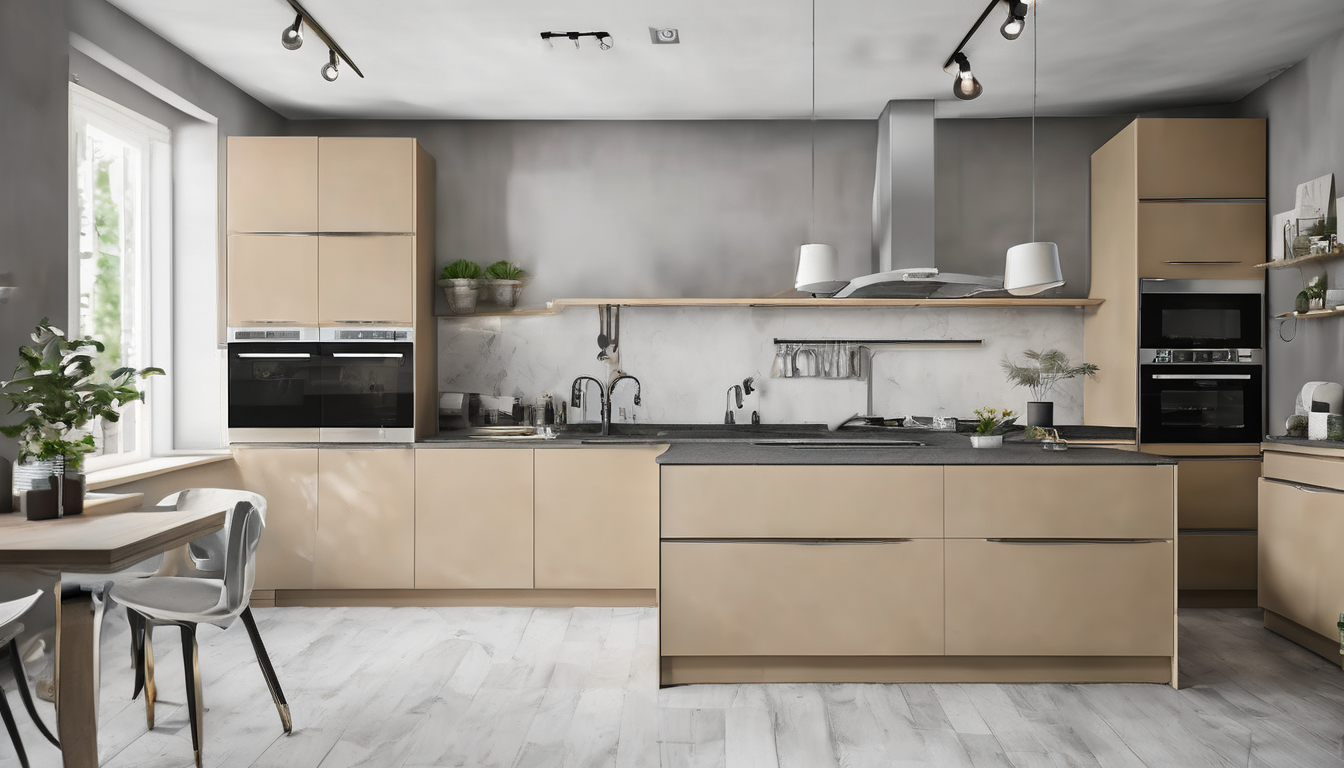

An effective kitchen design combines form, function, and aesthetics, starting with the precise installation of fitted kitchen base units. These foundational components not only determine your kitchen’s storage capacity but also influence its overall layout and usability. For homeowners in regions from Bristol to Exeter, integrating regional considerations such as local style preferences and property types can add complexity to choosing and installing base units. This guide delves into six essential measurements that are critical for ensuring your fitted kitchen base units complement both your space and lifestyle.
Understanding Essential Measurements for Fitted Kitchen Base Units
Before diving into the specifics, it’s essential to grasp why precision matters. In areas ranging from the rolling hills of Somerset to the historic streets of Gloucester, kitchens vary widely. Incorporating measurements that cater to the specific dimensions and layout of your kitchen ensures a seamless integration of base units, enhancing both function and form.
Height, Depth, and Width
The dimensions of kitchen base units are foundational to the overall design and must accommodate the ergonomics of the users. Typically, the standard height for base units is around 720mm, with a depth of 560mm. However, these can vary, especially in custom designs tailored to fit unique spaces in homes across regions such as Dorset and Wiltshire.
Height Variations
Considering the average height of users in your household can prompt adjustments to standard measurements, enhancing comfort and usability. For example, slightly lower units could be installed in homes catering to shorter individuals or children.
Depth and Width Flexibility
The standard depth suits most UK homes but adjusting the depth can maximize space in smaller properties, a common feature in places like Bristol and Bath. Custom widths are particularly advantageous for fitting base units into irregular spaces, making each inch count.
Toe Kick Considerations
The toe kick, the recess at the bottom of your base units, may seem minor but plays a significant role in kitchen comfort and ergonomics. A standard toe kick measures around 150mm in height and 50mm in depth, providing sufficient space for your feet when you stand close to the worktop.
Worktop Overhang
The overhang of your kitchen worktop—not just an aesthetic choice—ensures that cabinet doors can open without hindrance and protects the cabinetry from spills. A standard overhang is approximately 20mm, but this can vary based on your design preferences and the specific needs of your kitchen layout.
Space for Appliances
When planning measurements, allocating space for appliances is crucial. Ensure there’s enough room for installation with a little extra space to adjust. This is especially paramount for integrated appliances, which must fit snugly within the base units.
Templating for Worktops
Before fitting kitchen worktops, templating is an essential step that cannot be overlooked. This process involves creating a precise template of the kitchen’s layout to ensure the worktop fits perfectly over the base units. Empty base units are preferred for accuracy during templating, allowing adjustments before the final installation.
Expert Tips
Adhering to the essential measurements for fitted kitchen base units ensures a functional and aesthetically pleasing kitchen. Here are additional tips to consider:
- Always allow for a little extra space than you think you’ll need, especially in older homes where walls may not be perfectly straight.
- Consult with a professional designer or carpenter, particularly for challenging spaces, to ensure optimal use of every inch.
- Consider the overall style of your home and region. For instance, a countryside cottage in Cornwall may suit different base unit specifications than a modern flat in Bristol.
- Prioritize quality materials and craftsmanship, especially for fittings and features like soft-close drawers, which can significantly enhance the user experience.
Conclusion
Accurate measurements are the cornerstone of successfully installing fitted kitchen base units, requiring attention to detail and an understanding of the space. From the height and depth to the templating for worktops, each measurement plays a crucial role in the kitchen’s functionality and aesthetic. By focusing on these essential dimensions, homeowners across the UK, from Cornwall to Gloucestershire, can achieve a kitchen that balances beauty, efficiency, and tailor-made design.
