
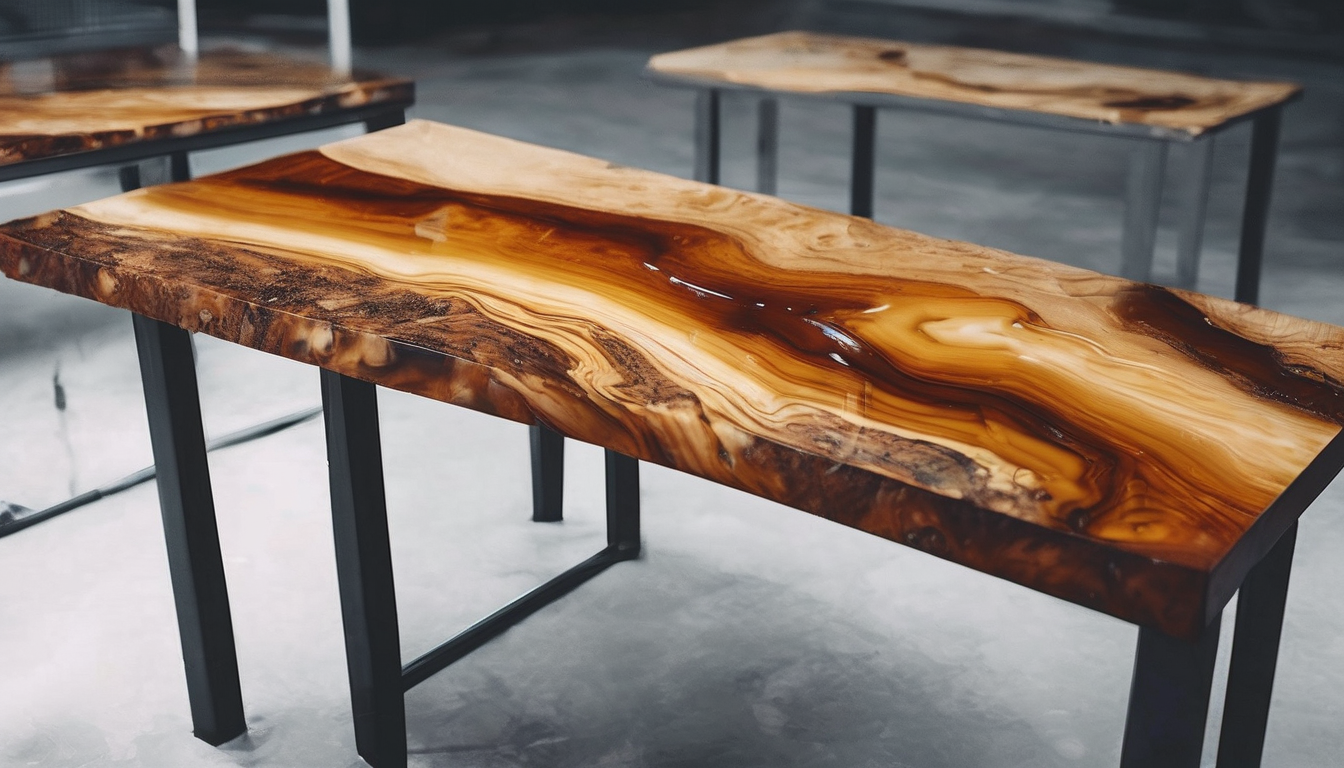

Determining what brand of epoxy is best for a river table project is crucial for achieving that stunning, glass-like river effect between live edge slabs. In Bristol’s damp climate, where humidity can affect curing, choosing the right epoxy prevents bubbles, yellowing, and cracking. As Jamie Simmonds, a master carpenter from Bristol with years crafting resin river tables for homes in Somerset and Gloucestershire, I’ve tested dozens of brands on projects from dining tables to kitchen islands.
This guide dives deep into the best options, drawing from hands-on experience and reliable sources. Whether you’re a DIYer in Bournemouth transforming a loft space or a professional in Exeter building bespoke pieces, understanding viscosity, pot life, and UV stability will ensure success. We’ll cover top brands, application tips, and common pitfalls specific to our region’s variable weather.
Understanding What brand of Epoxy is Best for a River Table Project
River tables require deep pour epoxy that fills gaps up to 5-8 cm between wood slabs without overheating. What brand of epoxy is best for a river table project? It depends on pour depth, working time, and clarity.[1][2] In Bristol’s workshops, I prioritise low-viscosity formulas that flow like water into live edge walnut or oak.
Epoxy consists of resin and hardener mixed at specific ratios, typically 1:1 or 2:1. For river tables, deep pour variants cure slowly to avoid exotherm—heat buildup causing cracks. Brands excelling here offer pot lives over 400 minutes, UV inhibitors, and bubble release.[1][5]
Local factors matter too. South West UK’s high humidity (often 70-90%) demands moisture-resistant epoxies to prevent amine blush, a cloudy film. What brand of epoxy is best for a river table project in Cornwall’s coastal air? Ones with proven anti-blush formulas.[7]
Why Deep Pour Epoxy Over Table Top?
Table top epoxies suit thin coats (3 mm), but river tables need 2-10 cm depths. Deep pour epoxies have lower viscosity and longer cures.[2][5] I’ve used both; shallow pours lead to multiple layers and seams visible in lit tables.
Key Factors to Consider When Answering What Brand of Epoxy is Best for a River Table Project
When asking what brand of epoxy is best for a river table project, evaluate viscosity first. Water-thin (low) for deep flows, avoiding air traps.[1] Pot life—working time before hardening—should exceed 6 hours for large pours like a 2 m dining table.
UV resistance prevents yellowing in sunlit Gloucestershire homes. Clarity is non-negotiable; high-grade epoxies stay crystal clear post-cure. Heat resistance above 50°C suits kitchen islands.[4][7]
Cost per litre matters: expect £20-£40/L for quality. A 1.9 L kit covers a small river (0.02 m³), but scale up for £200+ projects. Safety: low VOC, food-safe for bar tops.[2]
Viscosity and Pour Depth
Ideal: 100-500 cps for deep pours up to 7.6 cm.[1] Thicker viscosities suit tops but clog rivers. Test in small batches, as Bristol’s 15°C workshops slow cures.
Pot Life and Cure Time
Longer pot life (400-1800 min) allows adjustments.[1] Full cure: 72 hours minimum, 7 days for sanding. Faster cures risk cracks in Dorset’s cool nights.
Top 5 Brands Answering What Brand of Epoxy is Best for a River Table Project
From testing in my Simmonds Carpentry workshop, here are the top picks for what brand of epoxy is best for a river table project. These shine for clarity, depth, and reliability.[1][2][4]
1. UltraClear Deep Pour Epoxy
UltraClear leads for 5 cm pours, bonding to barnwood without lifting.[2] Users praise bubble-free cures and pro results. Pot life suits 2-hour mixes; UV stable for Plymouth sunrooms. Price: £150 for 3.8 L kit.[2][5]
2. CHILL ICE Series (CHILL ICE 1 & 2)
CHILL ICE 1 for 3.8 cm pours (400 min pot life); ICE 2 for 5 cm (600 min).[1] Water-like flow perfect for resin rivers in Wiltshire oak tables. Minimal yellowing reported.[1]
3. TotalBoat Table Top & Fathom Deep Pour
TotalBoat’s deep pour handles 7.6 cm, self-levelling with air release.[4][7] BPA-free, ideal for Somerset family tables. Cures glossy in 24-72 hours.[7]
4. Stone Coat Epoxy
Best for artistic rivers with metallic effects; deep pour durability resists impacts.[4] High clarity for marbled designs in Cheltenham homes. UV resistant.[4]
5. EcoPoxy or Pro Marine
EcoPoxy for eco-conscious Gloucester makers; Pro Marine for heat-resistant bar tops.[3][4] Both offer strong bonds, though pricier at £30/L.[3]
Comparing the Best Epoxies for River Table Projects
To settle what brand of epoxy is best for a river table project, compare specs:
| Brand | Max Depth | Pot Life | UV Stable | Price (£/L) |
|---|---|---|---|---|
| UltraClear | 5 cm | High | Yes | £25-35 |
| CHILL ICE 2 | 5 cm | 600 min | Yes | £28 |
| TotalBoat | 7.6 cm | Medium | Yes | £22 |
| Stone Coat | Deep | Long | Yes | £30 |
| EcoPoxy | Variable | Long | Yes | £35 |
UltraClear edges for ease; CHILL for massive pours.[1][2][4][7] In Bristol terraces, TotalBoat’s value wins for lofts.
Step-by-Step Guide to Using Epoxy for River Tables
Mastering what brand of epoxy is best for a river table project means flawless execution. Start with kiln-dried slabs (walnut best).[5]
- Prep Wood: Seal ends with thin epoxy coat; sand to 120 grit. Moisture under 10% prevents bubbles.
- Build Form: Use melamine boards, taped seams. Level precisely—1 mm off warps rivers.
- Mix Epoxy: 1:1 ratio; stir 3 min, no whip. For UltraClear, heat to 25°C if below 15°C.[2]
- Pour: Slow stream into river; torch bubbles. Multiple layers if over 5 cm.
- Cure: 24-72 hours demould; 7 days sand (80-2000 grit).
- Finish: Top coat table top epoxy for gloss.
Temperature Control in UK Climates
Maintain 20-25°C; use heaters in winter. Bristol’s chill slows cures, risking tackiness.[1]
Common Mistakes in River Table Epoxy Projects
Avoid pitfalls when selecting what brand of epoxy is best for a river table project. Overpouring causes exotherm cracks—limit 4 cm per layer.[1] Poor mixing introduces bubbles; always scrape sides.
Humidity above 60%? Use dehumidifiers—common in Devon. Skipping wood sealing leads to outgassing bubbles. Cheap big-box epoxies yellow fast.[3]
I’ve salvaged projects with resin consolidation, but prevention saves £500+ remakes.
Expert Tips from a Bristol Carpenter on River Tables
As Jamie Simmonds, I’ve built 50+ river tables for South West clients. For what brand of epoxy is best for a river table project, pair UltraClear with live edge elm—grain pops under clear resin.
Tip 1: Pigment post-pour for custom blues evoking River Avon. Tip 2: Embed LED strips pre-pour for lit features in Swindon homes. Tip 3: Resin stabilise spalted wood first.[5]
Polish to 3000 grit for mirror finish; lasts decades. Clients in Bath rave about durability.
Local Climate Hacks
In Cornwall’s salt air, rinse forms; Wiltshire’s dryness needs misting. Always test batches.
Sourcing Epoxy in the South West UK
Find top brands locally: Toolstation in Bristol stocks TotalBoat; online from ResinShop (UK delivery £10). EcoPoxy via composites suppliers in Gloucester.
Budget £300 for a 2×1 m table. Bulk buys save 20%. Check food-safe certs for kitchen use.
FAQs: What Brand of Epoxy is Best for a River Table Project?
Q: What brand of epoxy is best for a river table project for beginners? UltraClear—easy mix, forgiving.[2]
Q: How much for a 2 m table? 15-20 L at £400 total.[1]
Q: Can I tint epoxy? Yes, with mica powders post-mix.[4]
Q: Best for deep rivers? CHILL TECHNO CAST, 7.6 cm.[1]
Q: UV yellowing fix? Top brands inhibit it; avoid sun pre-cure.[7]
In summary, what brand of epoxy is best for a river table project? UltraClear or CHILL ICE for most, tailored to your scale. With these insights, craft heirlooms for Bristol homes.
Image suggestion: Alt text for pouring epoxy into wood slabs. Understanding What Brand Of Epoxy Is Best For A River Table Project is key to success in this area.
