
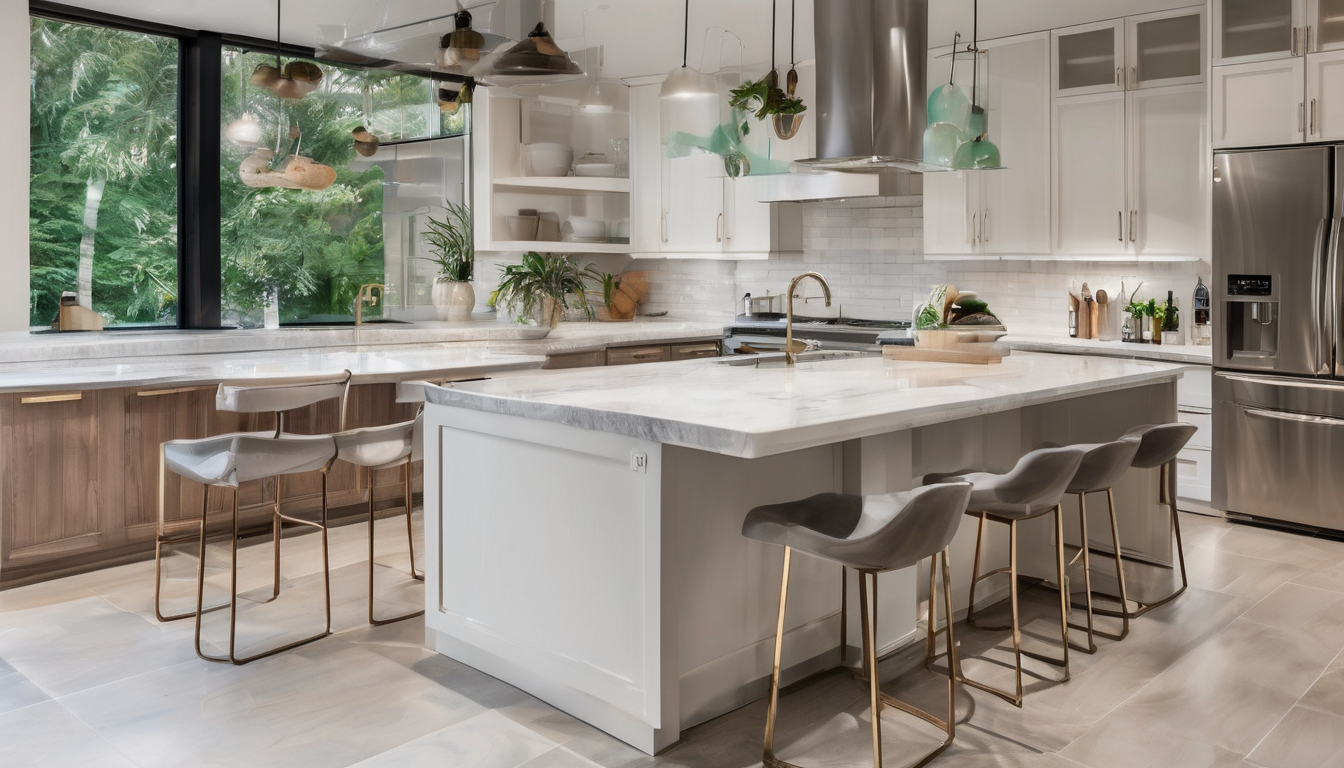

Understanding Best Food Safe Resins For Durable Kitchen Islands is essential. Food safe resins for durable kitchen islands are specialised epoxy formulations certified for direct food contact, ensuring safety on surfaces like live edge river kitchen islands where food preparation occurs.
In Bristol and surrounding areas like Somerset and Gloucestershire, homeowners increasingly seek Best Food Safe resins for durable kitchen islands to create bespoke centrepieces blending natural timber with glossy resin rivers. These resins must meet strict FDA-compliant standards, resist scratches from knives, handle hot pots up to 50-60°C, and remain non-porous to prevent bacteria in our damp climate. Drawing from my experience crafting resin and timber islands for local families, selecting the right resin elevates a functional worktop into a heirloom piece.
This article dives deep into the best food safe resins for durable kitchen islands, focusing on live edge designs popular in Victorian terraced homes across Wiltshire and Dorset. Why do they matter? They combine aesthetic appeal with hygiene, crucial for busy kitchens in Exeter or Plymouth. We’ll explore certifications, top products, application for river effects, and maintenance tailored to South West conditions.
Understanding Best Food Safe Resins for Durable Kitchen Islands
Best food safe resins for durable kitchen islands refer to epoxies tested and certified for incidental food contact, such as FDA-compliant or equivalent standards in the UK. Once fully cured—typically 7-14 days—they form a non-leaching, inert barrier.[1][2]
Unlike standard resins, these prioritise low VOCs, BPA-free formulas, and UV stability to prevent yellowing in sunlit Bristol kitchens. For live edge river islands, they flow into timber voids, mimicking water over oak or walnut slabs common in Cornish or Gloucestershire homes.[3]
Key traits include medium viscosity for self-levelling (around 3500 CPS), heat resistance to 60°C, and scratch resistance from barcol hardness over 40. This durability suits high-traffic family islands in Swindon or Bournemouth.[2][6]
What Makes a Resin “Food Safe”?
Certification comes from independent testing against migration limits—no harmful substances leach into food. Resiners and Magnifico resins pass these, unlike hobby epoxies.[1][2] Always verify labels for “food contact safe” post-cure.
In the UK, align with REACH regulations alongside FDA for imported resins. Local carpenters like myself test batches to ensure safety for Somerset clients.
Why Choose Food Safe Resins for Kitchen Islands
Kitchen islands endure spills, chops, and heat—best food safe resins for durable kitchen islands excel here over oils needing frequent reapplication.[4] Epoxy creates a seamless, hygienic seal ideal for live edge designs.
In damp regions like Cornwall or Dorset, non-porous surfaces block moisture ingress, preventing mould under resin rivers. They highlight timber grain while protecting against stains from wine or curry in lively Gloucestershire gatherings.[2][3]
Durability translates to longevity: a well-poured island lasts decades without refinishing, saving £500+ in upkeep for Wiltshire homeowners.
Top 5 Best Food Safe Resins for Durable Kitchen Islands
From hands-on projects in Bristol workshops, here are the standout best food safe resins for durable kitchen islands.
1. Magnifico One Resin
Magnifico One tops lists for its BPA-free, FDA-compliant formula safe for food contact. It resists knife scratches, hot pans, and UV fading—perfect for sun-exposed Exeter islands.[2] Crystal-clear with non-porous cure, it suits river pours over live edge slabs.
Pros: High impact resistance; embeds pigments for custom rivers. Cons: Longer cure (72 hours tack-free). Costs £80-£120 for 1.89L kit.
2. CHILL 3D™ Clear Table Top Epoxy
CHILL 3D™ offers food-safe clarity with thixotropic flow for lacing effects in resin rivers. Heat/scratch-resistant for busy Plymouth kitchens, UV-stable to prevent yellowing.[3] Viscosity at 3500 CPS self-levels up to 12mm per pour.
Ideal for live edge oak islands; cleans with isopropyl alcohol. Around £70 per kit.
3. Resiners Food Safe Epoxy
Certified for coasters and boards, Resiners extends to islands with bubble-free, low-odour pours. Durable against moisture in Somerset humidity.[1] Glossy finish enhances walnut slabs.
Easy for DIY; £60-£90 kits.
4. UltraClear Bar & Table Top Epoxy
UltraClear delivers smooth, food-safe gloss for standard islands. Strong and glossy, it handles daily wear in Cheltenham homes.[6]
5. MAX CLR Epoxy Resin
FDA-approved for short food contact, MAX CLR coats prep surfaces reliably. Good for budget river islands in Gloucester.[5]
Comparing the Best Food Safe Resins for Durable Kitchen Islands
| Resin | UV Resistance | Heat Max (°C) | Pour Depth (mm) | Price (£/L) |
|---|---|---|---|---|
| Magnifico One | High | 60 | 12 | 50 |
| CHILL 3D™ | High | 55 | 12 | 45 |
| Resiners | Medium | 50 | 10 | 40 |
| UltraClear | Medium | 50 | 10 | 35 |
| MAX CLR | Medium | 50 | 8 | 30 |
This table highlights why Magnifico leads for best food safe resins for durable kitchen islands in demanding South West setups.[1][2][3]
Applying Best Food Safe Resins for Durable Kitchen Islands in Live Edge Designs
For live edge river kitchen islands, seal timber first with thin epoxy coat. Mix resin per instructions at 20-25°C to avoid bubbles.[1]
Pour river channels slowly for natural flow over 2-3m slabs. Torch bubbles; cure 24-48 hours between 6-12mm layers. Full cure: 7 days before use.[3] In Bristol’s variable weather, control workshop humidity below 50%.
Pro tip: Use pigmented resins for turquoise rivers complementing local ash timber.
Maintenance for Best Food Safe Resins for Durable Kitchen Islands
Clean best food safe resins for durable kitchen islands with mild soap; avoid abrasives. Polish yearly with resin cleaner for gloss.[3]
In damp Dorset, wipe spills immediately. Minor scratches buff with 2000-grit; deep ones require sanding and recoat. Expect 10-20 years lifespan.
Choosing Timber Slabs for Best Food Safe Resins for Durable Kitchen Islands
Select kiln-dried oak or walnut at 8-12% moisture for river islands. Live edges add character; voids perfect for resin rivers.[4] Source FSC-certified from Gloucestershire mills, 50-100mm thick for 2-3m spans.
Match grain to resin clarity—avoid sappy pines that bleed.
Expert Tips for Best Food Safe Resins for Durable Kitchen Islands
- Test small pours for colour stability in UV light.
- Preheat slabs to 30°C for better adhesion.
- For families in Bath, opt heat-resistant over max gloss.
- Budget £800-£2,000 for full island kit.
Common Mistakes with Best Food Safe Resins for Durable Kitchen Islands
Rushing cure leads to tacky surfaces; wait full 14 days. Poor mixing ratios cause cloudiness.[1] In humid Cornwall, dehumidify pours.
Overlooking timber prep results in fish eyes. Sand to 220-grit first.
As a Bristol master carpenter, I’ve seen best food safe resins for durable kitchen islands transform lofts and kitchens for growing families across Somerset to Wiltshire. Choose certified options like Magnifico or CHILL for safe, stunning live edge river islands that endure daily life.
Sources: Resiners.com[1], Magnificoresins.com[2], Chillepoxy.com[3], Lancasterliveedge.com[4], Hirosarts.com[5], Bestbartopepoxy.com[6]. Image alt: Best Food Safe Resins for Durable Kitchen Islands – Live edge oak slab with turquoise resin river on Bristol kitchen island (98 chars).
