
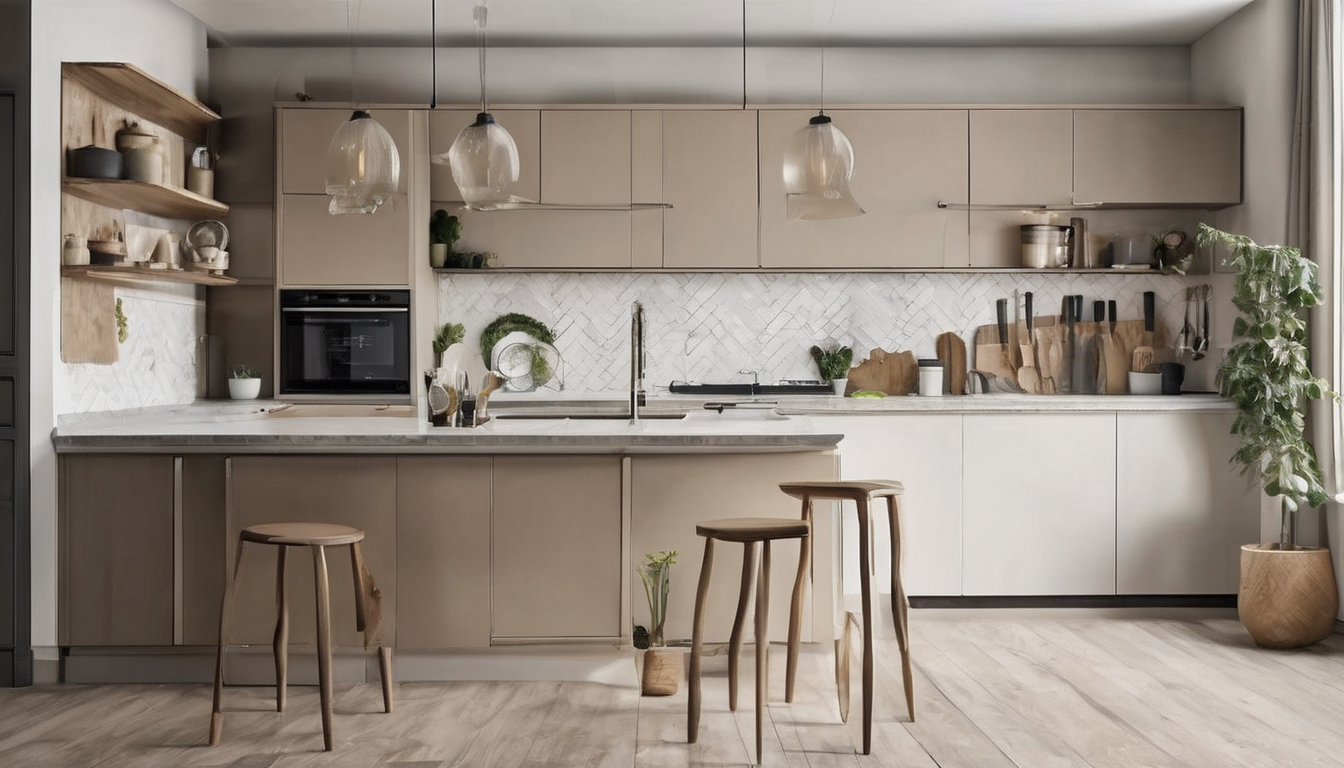

How to Finish Kitchen Cabinets for Bristol’s Damp Climate Longevity is crucial for homeowners in Bristol, where average humidity often exceeds 80% and winter dampness leads to warping and mould. As a master carpenter in Bristol, I’ve seen countless kitchens ruined by poor finishing in our wet climate. This comprehensive how-to guide provides 11 essential steps to protect your cabinets, drawing from my experience with local Victorian terraces and modern builds.
In areas like Bristol, Cornwall, and Somerset, damp air from the Avon River and frequent rain demands moisture-resistant techniques. Whether refinishing oak or maple cabinets or building new from plywood or solid wood, proper finishing prevents swelling by up to 5%[3]. Follow these steps to achieve longevity, saving £2,000-£5,000 on replacements.
Why Bristol’s Dampness Demands Special Finishing for Kitchen Cabinets
Bristol’s maritime climate, with rainfall averaging 800mm annually and indoor humidity spiking to 70-90% in winter, accelerates moisture damage to kitchen cabinets[1]. Unprotected wood swells, joints crack, and finishes peel, especially near sinks or dishwashers. How to Finish Kitchen Cabinets for Bristol’s Damp Climate Longevity focuses on seals that block vapour, vital for terraced homes in Clifton or Southville.
Local properties often feature solid oak or maple, prone to rot without barriers. Plywood edges absorb damp fastest, leading to delamination[3]. Proper finishing creates a flexible film allowing expansion without cracking, extending cabinet life by 20-30 years[1].
Humidity’s Impact on Common Woods
Oak, popular in Gloucestershire kitchens, resists decay but warps in damp. Maple stays smooth but yellows without UV-stable topcoats. Marine-grade plywood outperforms particleboard, resisting moisture for decades[3].
Choosing the Right Wood and Materials for How to Finish Kitchen Cabinets for Bristol’s Damp Climate Longevity
Select moisture-resistant woods before finishing. Oak vs maple: oak’s tight grain suits painted finishes; maple excels for natural looks with waterborne poly[1]. Plywood vs solid wood: plywood stabilises better in fluctuating humidity, ideal for Bristol basements[3].
For damp longevity, use marine-grade plywood cores with hardwood veneers. Avoid MDF unless fully edge-sealed, as it swells 3-5% in high humidity[3]. Pair with finishes like waterborne 2K polyurethane, which crosslinks for superior water resistance[1].
Essential Tools and Materials List
- Sanding discs: 120, 220, 320, 400 grit (£15-£25).
- Waterborne 2K polyurethane or pre-catalyzed lacquer (£40-£60/litre)[1][2].
- Moisture-resistant primer/sealer (£25/litre).
- HVLP sprayer or quality brush/roller (£100-£300).
- 0000 steel wool, tack cloths, denatured alcohol.
- Dehumidifier for workspace (maintain 30-50% RH)[1].
- Edge banding tape for plywood (£10/roll).
Total starter kit: under £200 for DIY. Source from Bristol suppliers like Travis Perkins.
11-Step Guide: How to Finish Kitchen Cabinets for Bristol’s Damp Climate Longevity
This core section details how to finish kitchen cabinets for Bristol’s damp climate longevity. Work in a dust-free garage at 18-22°C and below 50% humidity. Remove doors for best results.
- Disassemble and Clean: Remove hardware, doors, and drawers. Wipe with denatured alcohol to remove grease. Dry fully to prevent finish defects[2].
- Initial Sanding: Sand all surfaces to 120 grit, focusing on edges. Remove mill glaze from plywood. Vacuum thoroughly[4].
- Apply Sealer Coat: Brush or spray dewaxed shellac or moisture-resistant primer. This seals pores against damp ingress. Dry 24 hours[4].
- Sand Sealer: Sand to 220 grit. Wipe with tack cloth. This creates a smooth base for topcoats[2].
- First Topcoat: Spray thin waterborne polyurethane coat. Target even coverage on end grains, vulnerable in Bristol damp[1].
- Dry and Sand: Wait 4-6 hours, sand lightly with 320 grit. Repeat for smoothness[2].
- Second Topcoat: Apply second polyurethane layer. Build to recommended dry film thickness (DFT) of 0.1-0.15mm[1].
- Edge Band and Seal: Apply edge banding to plywood edges. Overcoat with sealer to prevent swelling[3].
- Third Topcoat: Final polyurethane or lacquer coat. Use pre-catalyzed lacquer for kitchens due to moisture resistance[2].
- Burnish: After 24 hours cure, use 0000 steel wool for satin sheen. Buff with wax for extra protection[2].
- Reassemble and Cure: Wait 7 days full cure. Install with ventilation to maintain low humidity[5].
Advanced Techniques for Edge Protection in How to Finish Kitchen Cabinets for Bristol’s Damp Climate Longevity
Edges and end grains fail first in damp Bristol kitchens. Prime with moisture-resistant sealer before topcoats[1]. For plywood, edge banding stops moisture wicking, reducing swell risk[3].
In my Bristol projects, I use two sealer coats on sink-adjacent cabinets. Add thermofoil or melamine for high-splash zones, but seal joints[1]. These steps ensure how to finish kitchen cabinets for Bristol’s damp climate longevity even near cookers.
Resin Enhancements for Local Builds
For custom oak cabinets, incorporate food-safe resin inlays on edges. This stabilises against damp, adding modern flair suited to Bournemouth or Exeter homes.
Common Mistakes to Avoid When Learning How to Finish Kitchen Cabinets for Bristol’s Damp Climate Longevity
Avoid thick coats causing runs; apply thin layers[2]. Skipping edge sealing leads to peeling in humid conditions[3]. Don’t finish in high humidity—use a dehumidifier[1].
Common in Somerset renovations: using oil finishes that soften in steam. Stick to polyurethanes for durability[1]. Neglecting ventilation post-install causes bubbling[5].
Maintenance Tips for Longevity After How to Finish Kitchen Cabinets for Bristol’s Damp Climate Longevity
Wipe spills immediately; avoid wet cloths on doors[5]. Keep kitchen humidity 30-50% with extractors[1]. Service appliances yearly to prevent leaks[6].
In Wiltshire cottages, I recommend annual steel wool buffing. Refresh topcoat every 5-7 years for 20+ year life.
Expert Insights from a Bristol Carpenter on How to Finish Kitchen Cabinets for Bristol’s Damp Climate Longevity
As Jamie Simmonds of Simmonds Carpentry, I’ve finished hundreds of Bristol kitchens. Waterborne finishes transformed a damp Clifton Victorian project, preventing rot[1]. Pair oak with 2K poly for best results.
For growing families in Gloucester, focus on soft-close hinges to reduce dings[1]. Suggested sources: Fine Homebuilding magazine, NKBA guidelines[3]. This approach ensures cabinets outlast our unpredictable weather.
In conclusion, mastering how to finish kitchen cabinets for Bristol’s damp climate longevity with these 11 steps protects your investment. From material choice to maintenance, these techniques deliver resilient, beautiful kitchens tailored to the South West.
