
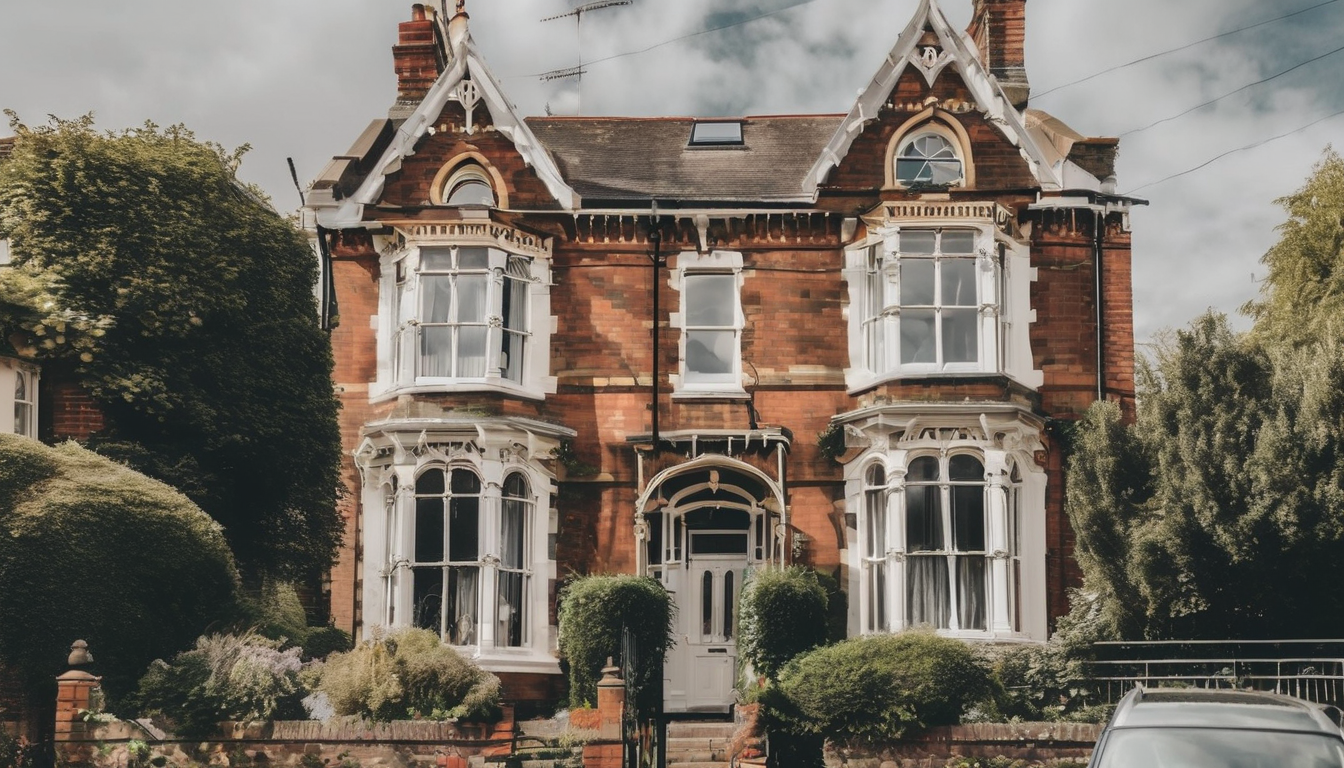

When considering a property investment in Bristol, Victorian homes present a compelling but complex proposition. These period properties, many dating back 150-200 years, dominate neighbourhoods like Clifton and Redland with their distinctive charm and architectural character. However, understanding Victorian home quality strengths and weaknesses in Bristol requires careful examination beyond aesthetic appeal. As a master carpenter working extensively with Bristol’s Victorian properties, I’ve seen firsthand how the decisions made during purchase and renovation significantly impact long-term satisfaction and costs.
Bristol’s Victorian housing stock tells a remarkable story of the Industrial Revolution’s impact on British cities. These homes were built rapidly to accommodate workers flooding into urban centres for factory employment. While this construction speed resulted in some durability concerns, many Victorian properties demonstrate superior craftsmanship in their joinery, structural timber, and attention to detail that modern builds often lack. The question for prospective buyers isn’t whether to buy Victorian, but rather understanding the specific strengths and weaknesses in Bristol’s Victorian Home Quality landscape so you can make an informed decision. This relates directly to Victorian Home Quality Strengths And Weaknesses In Bristol.
The difference between a well-maintained Victorian terrace and a neglected one can easily represent £20,000-£50,000 in remedial costs. This article provides the detailed analysis you need to evaluate whether a particular property represents genuine value or a financial liability masked by period charm.
Victorian Home Quality Strengths And Weaknesses In Bristol – Structural Strengths of Victorian Properties in Bristol
Victorian properties in Bristol and across the South West were fundamentally built to last. The original construction employed solid masonry walls, typically comprising 13-20 inches of brick with lime mortar, creating structures of genuine permanence. This contrasts sharply with modern cavity wall construction, which relies on interconnected layers and modern sealants for weatherproofing. When I examine a Victorian property’s primary structure, the quality of materials and construction methods often surprises modern building standards.
The timber framing within these homes demonstrates craftsmanship rarely seen in contemporary builds. Roof timbers—often hand-selected and sized for the specific building—frequently outlast the very slates and coverings above them. Original joists and beams, though occasionally undersized by today’s load calculations, display a durability that speaks to selective timber sourcing and careful seasoning practices. Many of these structural timbers remain sound after 150+ years, testament to the quality of Victorian building standards. When considering Victorian Home Quality Strengths And Weaknesses In Bristol, this becomes clear.
Bristol’s Victorian homes also benefit from well-proportioned room sizes and generous ceiling heights—typically 2.8-3.2 metres (9-10.5 feet)—reflecting an era when space was valued and materials were relatively affordable. This spatial generosity proves invaluable for loft conversions and structural adaptations. I’ve worked on countless loft conversion projects where the original roof structure and room proportions made the work straightforward, whereas modern properties often present space constraints that complicate similar projects.
Solid wood flooring throughout Victorian properties represents another significant strength. Floorboards of 7-10 inches width, often from sustainably-harvested slow-growth timber, provide superior durability compared to modern engineered boards. These original floors can be sanded, repaired, and refinished repeatedly across centuries, making them an asset rather than a liability when properly maintained. The importance of Victorian Home Quality Strengths And Weaknesses In Bristol is evident here.
Key Weaknesses: Identifying Common Problems in Victorian Home Quality Strengths and Weaknesses in Bristol
Despite their structural soundness, Victorian home quality weaknesses in Bristol emerge primarily from age-related deterioration and changing living standards rather than poor original construction. The most common issues prospective buyers encounter include inadequate damp proofing, outdated services, and subsidence risk.
The Victorian era predated modern building regulations and damp-proof course installation became standard practice. Original properties were constructed with no horizontal damp barriers, relying instead on ventilation and site drainage—systems that fail when windows are replaced with modern sealed units and chimneys are capped. Rising damp, penetrating damp, and condensation represent the trinity of moisture problems affecting many properties. Understanding Victorian Home Quality Strengths And Weaknesses In Bristol helps with this aspect.
Electrical systems installed during the Victorian period have almost universally reached the end of their safe working life. Original wiring—often cloth-wrapped and deteriorated—poses genuine fire risk. A complete rewiring project typically costs £4,000-£8,000 for a three-bedroom property, depending on complexity and whether walls require opening for cable runs.
Plumbing systems similarly require replacement or substantial upgrade. Original lead piping, whilst historically interesting, presents health concerns and lacks the capacity for modern bathroom and kitchen requirements. These upgrades form a significant portion of renovation budgets. Victorian Home Quality Strengths And Weaknesses In Bristol factors into this consideration.
Damp Challenges in Bristol Victorian Homes
Damp represents the single most serious issue affecting Bristol’s Victorian housing stock. The city’s position in the South West exposes properties to significant rainfall, whilst Bristol’s topography means many Victorian terraces occupy sloping sites where water management becomes critical. Understanding the type of damp affecting a property proves essential, as treatment methods and costs vary dramatically.
Rising Damp Issues
Rising damp occurs when groundwater absorbs through masonry, travelling upwards against gravity through capillary action. Victorian properties lack damp-proof courses, making them inherently vulnerable. Rising damp typically affects walls up to 1-1.5 metres (3-5 feet) height, causing plaster failure, wallpaper peeling, and distinctive staining patterns. This relates directly to Victorian Home Quality Strengths And Weaknesses In Bristol.
Professional remediation involves either injecting chemical damp-proof courses or installing physical barriers—projects costing £2,000-£5,000 depending on property size. Some surveyors recommend more aggressive interventions including replastering with specialist mortars, adding another £1,500-£3,000 to project costs.
Penetrating Damp and Weather Exposure
Penetrating damp enters through external walls, typically where brick and mortar have deteriorated or where pointing has failed. Bristol’s exposed western elevations face prevailing Atlantic weather systems, making properties on west-facing terraces particularly vulnerable. Remediation involves repointing—removing and replacing mortar joints—typically costing £800-£1,500 per elevation, alongside any brick replacement. When considering Victorian Home Quality Strengths And Weaknesses In Bristol, this becomes clear.
Condensation Problems
Modern living generates moisture through cooking, bathing, and laundry. Victorian homes, designed with natural ventilation through sash windows and chimneys, experience condensation problems when these ventilation routes are blocked or replaced. Installing modern sealed double-glazed windows without compensatory ventilation creates moisture traps, leading to black mould growth and poor indoor air quality.
The solution involves balancing improved insulation with maintained ventilation—adding background ventilation to rooms or installing mechanical ventilation systems. These improvements cost £1,000-£3,000 for a typical three-bedroom property. The importance of Victorian Home Quality Strengths And Weaknesses In Bristol is evident here.
Energy Efficiency and Heating Costs for Victorian Home Quality in Bristol
Victorian properties typically achieve Band D energy efficiency ratings, significantly below modern buildings which achieve Band B. This efficiency gap translates directly into heating costs: poorly insulated Victorian properties routinely cost 30-50% more to heat than equivalent modern properties.
Original loft insulation, where present, rarely exceeds 50-75mm—inadequate by modern standards requiring 270mm minimum. Adding loft insulation represents the single most cost-effective improvement, typically costing £1,000-£1,500 for materials and professional installation, with payback periods of 3-5 years through reduced heating costs. Understanding Victorian Home Quality Strengths And Weaknesses In Bristol helps with this aspect.
Windows present another significant thermal weakness. Original single-glazed sash windows, whilst architecturally authentic, lose substantial heat. Secondary glazing—adding internal glazing whilst retaining external sashes—offers compromise, costing £150-£300 per window. Full sash window replacement with period-appropriate double-glazed alternatives costs £400-£600 per unit.
Wall insulation requires more complex decisions. Cavity wall insulation suits properties with existing cavities but can complicate future maintenance. External wall insulation modifies the property’s appearance. Internal insulation risks reducing room sizes. Each approach costs £5,000-£12,000 for a three-bedroom terrace, with varying effectiveness and implications for the property’s character. Victorian Home Quality Strengths And Weaknesses In Bristol factors into this consideration.
Upgrading from Band D to Band C energy efficiency typically costs £6,000-£10,000 minimum, explaining why many property owners defer improvements until facing selling or refinancing situations.
Electrical and Plumbing Systems in Victorian Properties
Virtually every Victorian property requires comprehensive electrical system replacement. Original cloth-wrapped wiring deteriorates after 80-100 years, posing fire risk and unable to support modern electrical demands—multiple charging devices, modern kitchen appliances, heating systems, and entertainment equipment. This relates directly to Victorian Home Quality Strengths And Weaknesses In Bristol.
Full rewiring typically costs £4,000-£8,000 depending on property size and whether surface-mounted or concealed cabling is specified. Surface mounting proves cheaper but cosmetically intrusive; concealed installation requires wall opening and making good, substantially increasing costs. Rewiring during renovation allows strategic placement supporting future requirements.
Plumbing systems present complementary challenges. Original lead or iron pipework lacks capacity and presents health concerns. Modern water demands—multiple bathrooms, showers, heating systems—exceed what original systems support. Complete replumbing typically costs £3,000-£6,000, often undertaken simultaneously with electrical work to minimise disruption. When considering Victorian Home Quality Strengths And Weaknesses In Bristol, this becomes clear.
The combination of electrical rewiring and plumbing replacement frequently represents £7,000-£14,000 investment, yet remains essential for safety and functionality. Properties with recently certified upgrades command premium pricing, justifying investment timing.
Subsidence and Foundation Issues
Victorian foundations typically consist of shallow rubble trenches or brick footings—adequate when soil remained stable but vulnerable to subsidence as ground conditions change. Bristol’s geology, whilst generally stable, includes localised clay deposits subject to movement during periods of drought or heavy rainfall. The importance of Victorian Home Quality Strengths And Weaknesses In Bristol is evident here.
Minor cracking proves normal in Victorian properties—differential settlement over 150+ years inevitably causes hairline cracks in plaster. Concerning indicators include wide cracks (over 3mm) running diagonally through brickwork, doors that no longer close properly, sagging window sills, and cracked brick courses.
Mid-terrace properties generally experience less subsidence risk than end-terraces, as neighbouring properties provide mutual structural support. Property condition in adjacent terraces provides valuable indicators—if neighbours’ properties show significant cracking, subsidence risk increases. Understanding Victorian Home Quality Strengths And Weaknesses In Bristol helps with this aspect.
Professional structural surveys prove essential for any property showing concerning cracks. Full underpinning costs £15,000-£30,000+ depending on affected wall length and access requirements. Lesser interventions using expanding polyurethane injections or helical underpinning cost £5,000-£10,000. This represents why structural assessment forms critical decision-making data before purchase commitment.
Realistic Renovation and Repair Costs for Victorian Home Quality
Understanding typical renovation expenditure helps establish realistic budgets. A moderately deteriorated three-bedroom Bristol Victorian terrace typically requires:
- Rewiring and consumer unit replacement: £4,500-£7,500
- Plumbing overhaul: £3,500-£6,000
- Damp treatment (rising and penetrating): £3,000-£8,000
- Roof repairs and slating (partial): £2,000-£5,000
- Loft insulation: £1,200-£1,800
- Central heating installation: £2,500-£4,000
- Sash window restoration/draught-proofing: £1,500-£3,000
- Repointing external brickwork: £2,000-£4,000
These items total £20,200-£39,300 for essential systems upgrade, often exceeding £40,000 when including cosmetic improvements, bathroom/kitchen renovation, and flooring restoration. Properties with recent investment clearly command premium pricing justified by reduced buyer risk.
Budget contingencies of 15-20% prove wise, as Victorian properties frequently reveal hidden issues during renovation—dry rot in hidden cavities, asbestos insulation in pipes, inadequate roof ventilation creating hidden moisture damage. Victorian Home Quality Strengths And Weaknesses In Bristol factors into this consideration.
Heritage Restoration Opportunities and Period Character
Beyond challenges, Victorian properties offer unique restoration opportunities. Original features—sash windows, fireplaces, ceiling roses, cornicing, floorboards—possess character increasingly valued by homeowners seeking authenticity.
Properly restored box sash windows, for instance, operate smoothly and quietly whilst maintaining period authenticity. Restoration costs £150-£300 per window, far less than replacement and infinitely more sympathetic to heritage character. I’ve completed numerous sash restoration projects where original mechanisms, once serviced and balanced, operated precisely as intended. This relates directly to Victorian Home Quality Strengths And Weaknesses In Bristol.
Original fireplaces and chimney breasts offer restoration potential as focal points. Many properties had these removed during mid-20th century modernisation; restoring or installing period-appropriate replacements costs £800-£2,500 per fireplace, creating dramatic improvements to room character.
Natural wood flooring, when carefully sanded and refinished, reveals the quality and beauty of original materials. Floor restoration typically costs £15-£25 per square metre, yielding stunning results that enhance property value and character substantially. When considering Victorian Home Quality Strengths And Weaknesses In Bristol, this becomes clear.
Expert Assessment: When to Walk Away from Victorian Homes
Not every Victorian property represents viable investment. Critical warning signs include:
- Extensive structural cracking in diagonal patterns across multiple walls
- Pervasive damp affecting multiple rooms and upper floor levels
- Roof collapse or severe deterioration indicating imminent failure
- Subsidence history without completed remediation and insurance certification
- Active woodworm or dry rot spreading through structural timbers
- Hazardous materials (asbestos) in significant quantities without professional removal quotes
- Listed building status with planning restrictions if your vision requires significant alteration
Properties showing multiple warning signs often cost more to remediate than the purchase price justifies. Surveyor reports should clearly identify such properties; trust professional assessment over emotional attachment to period charm. The importance of Victorian Home Quality Strengths And Weaknesses In Bristol is evident here.
Conversely, properties requiring mainly cosmetic updates and systems upgrade—common scenarios—often represent excellent value if purchased below market rate reflecting known issues. Informed buyers can budget appropriately and recognise investment opportunity.
Final Verdict on Victorian Home Quality Strengths and Weaknesses in Bristol
Victorian home quality strengths and weaknesses in Bristol reflect a paradox: structurally sound buildings often requiring substantial investment to meet modern living standards. Properties demonstrate durability and architectural merit, yet demand realistic budgeting for essential systems upgrade.
For buyers comfortable with renovation projects and possessing adequate capital reserves, Bristol’s Victorian properties offer compelling value. These homes, when properly maintained and sensitively restored, provide superior character, spacious proportions, and long-term durability compared to modern builds. The quality of original materials and craftsmanship rewards investment in their preservation.
However, buyers seeking move-in ready properties with predictable costs should carefully assess individual properties. A Victorian terrace requiring £40,000 in essential systems upgrade represents significantly different proposition than one with recently certified electrical, plumbing, and heating systems, regardless of how aesthetically similar the properties appear externally.
The strongest Bristol Victorian properties combine: sound primary structure (confirmed by survey), completed major systems upgrade (electrical, plumbing, heating), managed damp conditions, and character features enhancing rather than requiring compromise. These properties represent exceptional long-term investments.
My professional experience completing hundreds of Victorian property projects confirms that informed purchases—backed by thorough surveying, realistic budgeting, and strategic timing—consistently outperform modern alternatives for those valuing authenticity, durability, and architectural merit. The key involves conducting due diligence before commitment rather than after purchase surprises drain budgets and diminish satisfaction. Understanding Victorian Home Quality Strengths And Weaknesses In Bristol is key to success in this area.
Key Expert Tips for Victorian Property Evaluation
- Commission a full structural survey from a surveyor experienced with period properties—generalist surveyors frequently miss issues or recommend unnecessary intervention
- Request written specifications and costs for any identified issues before proceeding with offers
- Verify electrical certification and plumbing/heating system ages directly with vendors or through utility records
- Budget 15-20% above known repair costs for contingency—Victorian properties routinely reveal hidden issues during renovation
- Prioritise properties showing evidence of recent, quality maintenance over heavily decorated properties masking underlying issues
- Investigate neighbouring properties’ conditions—shared terraces with significant cracking elsewhere suggest broader subsidence risk
- Consider the location beyond aesthetics; established Bristol neighbourhoods like Clifton and Redland offer proven appreciation and desirability justifying premium pricing
