
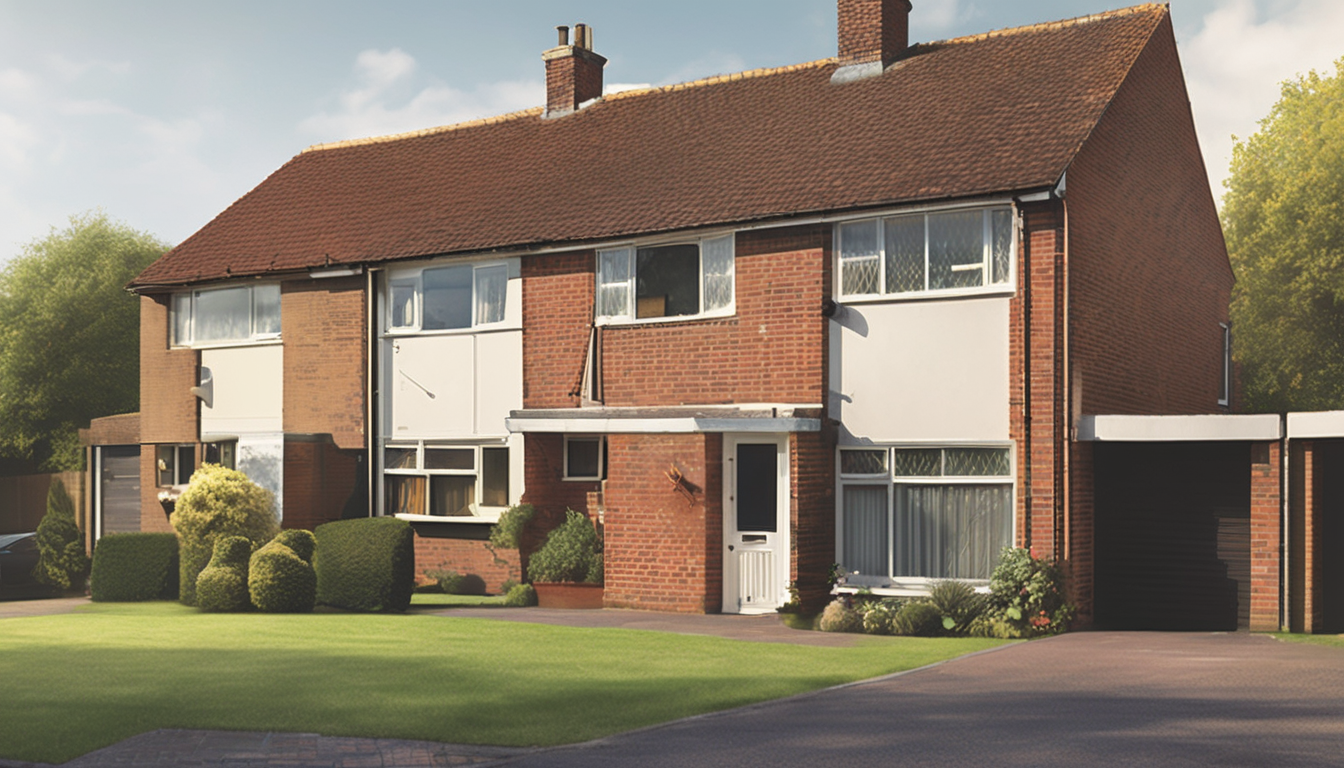

If you’re considering buying or renovating a 1970s property in Bristol, Somerset, Gloucestershire, or across the South West, understanding the specific challenges of this era is essential. 1970s UK Houses common problems and repair costs vary significantly from older Victorian and Edwardian properties, yet many homeowners remain unaware of the hidden defects lurking beneath the surface of these seemingly straightforward builds. Built during an era when construction standards were evolving and materials were economical rather than premium, 1970s homes require particular attention during surveys and maintenance planning.
The 1970s represented a unique period in British housing construction. Houses were built quickly and affordably to meet post-war demand, but this meant corners were cut on insulation, structural reinforcement, and material quality. Today, these properties are reaching the stage where major systems need replacement or upgrade, making knowledge of 1970s UK houses common problems and repair costs invaluable for any property owner in this age group.
1970s Uk Houses Common Problems And Repair Costs – Flat Roof Failures and Leaking: The Most Pressing Concern
One of the most costly problems affecting 1970s UK houses common problems and repair costs centres on flat roofing. The majority of properties built during the 1970s feature flat roofs covered with bitumen felt or similar materials that have a limited lifespan of 15-20 years. After five decades, these roofs are well past their expected service life and frequently develop leaks that can cause extensive water damage.
The issues with flat roofs stem from the material degradation over time. Bitumen felt becomes brittle, develops cracks, and allows water ingress into the property. During Bristol’s wet winters or Cornish coastal weather, these failures accelerate dramatically. Water penetration affects not only the interior spaces but also compromises structural timbers, insulation, and creates conditions for mould growth throughout the property.
Flat Roof Repair Costs
For minor repairs such as replacing a few tiles or patching a metre of flashing, expect to budget around £200. However, this should only be considered as a temporary measure. More substantial structural repairs typically cost between £1,000-£2,000 for localised work. A complete roof replacement, which most 1970s properties will eventually require, ranges from £5,000-£12,000 depending on the roof area and access requirements.
In my experience as a carpenter working across Bristol and the South West, I’ve found that most 1970s properties require full roof replacement rather than piecemeal repairs. The investment upfront saves considerable expense in subsequent water damage and prevents secondary structural problems that compound costs significantly.
1970s Uk Houses Common Problems And Repair Costs – Outdated Electrical Systems: Safety and Capacity Issues
1970s UK houses common problems and repair costs must account for electrical systems that simply don’t meet modern standards. Most properties from this era feature old fuse boxes rather than modern circuit breakers, limited outlet provision, and wiring that may not safely handle contemporary electrical demand. Kitchens, bathrooms, and home offices all require substantially more power than homes had available 50 years ago.
Old fuse-based systems are a safety concern, particularly where they’ve been patched with unauthorised modifications. The wiring itself, if it hasn’t been replaced, may deteriorate and pose fire risks. Additionally, many 1970s properties simply don’t have enough circuits and sockets to safely accommodate modern appliances without overloading.
Electrical Rewiring Costs
A full rewire of a three-bedroom house typically costs between £2,500-£4,500, though this varies significantly based on property layout and access difficulties. The average cost across the UK stands around £3,500, though properties in Bristol and the South West may fall at the higher end due to older construction methods and listed building considerations.
Critically, any full or partial rewire must be signed off by the local authority if you’re not using a licensed contractor. This isn’t optional—it’s a legal requirement and will affect your property’s insurability and future saleability. Any electrical work is absolutely not a DIY project unless you hold relevant qualifications.
Plumbing Problems and Corrosion: Water System Failures
The plumbing systems installed in 1970s UK houses common problems and repair costs discussions almost always feature corrosion issues. Many properties were fitted with galvanised steel pipes that oxidise over time, leading to reduced water pressure, discolouration of water, and eventual blockages or leaks. Copper pipes, where installed, generally perform better, but plastic fittings and mixers degrade and may need replacement.
Low-pressure hot water systems were common in the 1970s, but modern expectations demand mains pressure systems. If you’re planning any kitchen or bathroom renovation, you’ll likely need to upgrade the entire system to cope with higher pressures. Tree roots can also damage sewage pipes, particularly in properties with mature gardens in Somerset or Gloucestershire rural locations. This relates directly to 1970s Uk Houses Common Problems And Repair Costs.
Plumbing Replacement Costs
Complete replacement of an entire plumbing system using copper pipes in a four-bedroom semi-detached house costs approximately £13,954. Steel pipe systems are more economical at around £10,000-£12,000 but less durable. Boiler replacement, often necessary alongside plumbing upgrades, costs from £2,500 upwards for a quality modern unit.
Small jobs like replacing taps or fixing individual leaks might cost £100-£300, but new pipework requires professional installation. Underfloor heating installation, which many homeowners combine with plumbing updates for improved efficiency, costs around £800 for a 20m² room, making it a sensible investment during major works.
Concrete Cancer and Structural Deterioration
1970s UK houses common problems and repair costs inevitably involve discussion of “concrete cancer” or spalling, a serious structural issue where steel reinforcement within concrete begins to rust, causing the concrete to crack and break away. This typically affects concrete structural elements, reinforced lintels, or concrete-clad buildings common in 1970s construction.
The problem accelerates in the damp climate of Bristol, Cornwall, and the South West where moisture exposure is constant. Once corrosion begins, it’s self-perpetuating—rust expands, pushing the concrete outward, creating more cracks for water penetration. Professional assessment is absolutely essential, as concrete cancer can compromise structural integrity.
Assessment and Repair Requirements
A structural engineer’s assessment costs £300-£600 and is essential before planning repairs. Treatment ranges from localised patching at £500-£1,500 per affected area, to substantial structural repairs costing £2,000-£5,000 or more depending on severity. Major structural failures require professional remedial work and will significantly impact your renovation budget.
Asbestos Contamination: A Hidden Health Hazard
Asbestos incorporation in 1970s UK houses common problems and repair costs discussions cannot be overlooked. It’s fairly common to find asbestos somewhere within 1970s construction—in insulation, floor tiles, pipe lagging, roofing materials, or textured coatings. This doesn’t mean your property is uninhabitable, but it does require professional handling.
Asbestos poses no risk if left undisturbed, but any renovation work risks releasing fibres into the air, creating serious health hazards. Never attempt to remove or work near suspected asbestos without professional guidance. A specialist survey to identify asbestos-containing materials costs £300-£500 and is excellent value for the peace of mind and safety assurance provided.
Asbestos Removal and Management
If asbestos is identified, you have options. Encapsulation (sealing it in place) costs £1,000-£3,000 and works well for non-friable materials. Professional removal costs £2,000-£5,000 depending on the extent and type of material. Licensing regulations mean this must be handled by certified professionals—it’s not negotiable, and attempting DIY removal creates serious legal liability.
Poor Insulation and Energy Loss: Rising Heating Bills
Most 1970s properties have little to no insulation in external walls, roofs, or cavity spaces. This represents perhaps the most common and costly inefficiency affecting 1970s UK houses common problems and repair costs. Properties from this era were built during the energy-abundant 1970s when thermal efficiency wasn’t a design priority, leaving homeowners with perpetually cold properties and sky-high heating bills.
The impact is substantial. Single-glazed windows, cavity walls without insulation, and minimal roof insulation mean significant heat loss during Bristol winters or harsh Cornish weather. Your heating costs will run 30-50% higher than modern insulated properties, and the property will never feel truly comfortable.
Insulation Upgrade Investment
Cavity wall insulation costs £1,500-£3,000 for a typical semi-detached house and reduces heating costs by 5-10% immediately. Loft insulation to modern standards (270mm depth) costs £800-£1,500 and produces 10-15% savings. External wall insulation, if your property qualifies for government schemes, can be more affordable and improves performance significantly. When considering 1970s Uk Houses Common Problems And Repair Costs, this becomes clear.
Window replacement from single to double-glazing costs around £750 per pair of sashes. Draught-proofing and reconditioning existing sash windows (if they’re original) costs £200-£280 per sash and offers a more economical interim solution that preserves period character while improving comfort.
Weak Wall Construction and Load-Bearing Concerns
Despite their sturdy appearance, 1970s properties often feature surprisingly flimsy internal construction. Walls and doors were built from thin materials—occasionally even cardboard waffle construction—leaving them unsuitable for mounting heavy items, poor at sound insulation, and inadequate for modern living standards. This affects 1970s UK houses common problems and repair costs significantly during renovations.
External walls typically consisted of masonry party walls with lightweight timber infill at front and rear. This simple, economical construction saved money but sacrificed both durability and thermal performance. Interior walls were often so thin that acoustic privacy between rooms is virtually non-existent, a particular frustration in period terraced properties common across Bristol and Gloucestershire.
Structural Reinforcement Costs
Adding proper insulation and reinforcement to external walls during renovation runs £3,000-£8,000 depending on property size and method. Internal walls can be upgraded with acoustic board or additional stud framing when renovating bathrooms or kitchens. These improvements typically cost £500-£1,500 per room but dramatically improve comfort and functionality.
Inefficient Heating Systems: Outdated Technology
1970s UK houses common problems and repair costs frequently involve their original heating systems. Many properties were fitted with electric warm-air heating, a notoriously inefficient method that wastes energy and provides poor comfort. Others lack proper central heating altogether, relying on individual room heaters or old oil boilers.
Warm-air systems, whilst technically functional, distribute heat unevenly, fail to maintain consistent temperatures, and consume enormous quantities of electricity. Modern central heating with a gas or air-source heat pump is incomparably superior, but the upgrade requires significant investment.
Heating System Replacement Costs
Installing a modern gas central heating system costs £3,000-£5,000 for parts and labour. An air-source heat pump, increasingly popular for efficiency and environmental benefits, ranges from £8,000-£15,000 but qualifies for government grants that offset costs. Boiler replacement alone typically runs £2,500-£4,000 for a quality modern unit.
Underfloor heating, increasingly combined with heat pumps during renovations, costs around £800-£1,200 per room and provides superior comfort and efficiency compared to traditional radiator systems.
Single-Glazed Windows and Frame Deterioration
Original 1970s windows are single-glazed aluminium or timber frames that provide poor insulation and offer little security. Beyond energy performance, these frames often deteriorate significantly after 50 years. Metal elements corrode, timber rots or warps, and seals fail, allowing draughts and water ingress to compromise the property fabric.
Windows represent both a visual feature and a thermal performance issue central to 1970s UK houses common problems and repair costs calculations. Replacing all windows in a typical property has a major impact on comfort, heating bills, and aesthetic appeal.
Window Replacement Options
Double-glazing replacement costs approximately £750 per pair of windows. Full replacement of all windows in a three-bedroom house runs £3,000-£6,000 depending on property size and specification. Secondary glazing offers a more economical interim solution at £200-£400 per window but doesn’t match the performance of full replacement. The importance of 1970s Uk Houses Common Problems And Repair Costs is evident here.
For properties with period character, draught-sealing and reconditioning existing windows maintains authenticity whilst improving performance. This costs £200-£280 per sash and provides a sympathetic solution for heritage properties across Bristol’s conservation areas and similar heritage locations.
Planning Your 1970s UK Houses Common Problems and Repair Costs Budget
Understanding individual defects is essential, but successful 1970s property renovation requires realistic budgeting for the cumulative cost of 1970s UK houses common problems and repair costs. Most properties will require attention across multiple systems, and addressing them comprehensively rather than piecemeal typically delivers better value.
Typical Renovation Budget Scenarios
Light Renovation (Basic Updates): £15,000-£25,000. This covers new boiler, electrical upgrades, window replacement, and cosmetic improvements. Suitable for properties in reasonable condition requiring modernisation rather than structural work.
Moderate Renovation (Systems Upgrade): £35,000-£55,000. Includes full rewire, new heating system, plumbing upgrades, insulation improvements, and structural repairs to walls. This addresses most major deficiencies in a typical three-bedroom property.
Comprehensive Renovation (Full Modernisation): £60,000-£100,000+. Combines all systems upgrades with major structural work, roof replacement, asbestos removal if necessary, and significant aesthetic improvements. This transforms a dated 1970s property into a modern comfortable home.
Cost-Saving Strategies
Prioritise work logically: address roof leaks before replacing carpets, upgrade heating before insulation only costs more. Combine related works—while electricians are rewiring, schedule heating installation. Phase improvements across years if necessary, tackling urgent structural work first, then systems, then cosmetic upgrades.
Government grants and schemes can offset costs significantly. Energy efficiency improvements often qualify for support, and listed building grants exist for heritage properties. Always obtain multiple quotes for major work and ensure contractors are properly qualified and insured.
Key Takeaways for 1970s Property Owners
1970s UK houses common problems and repair costs share consistent patterns. Budget for roof replacement or major repair, electrical system upgrade, heating modernisation, and insulation improvement as core necessities. These four categories alone typically cost £15,000-£30,000 but address the properties’ most serious functional deficiencies.
Have a professional structural survey completed before purchasing or beginning major renovation work. Surveyors identify issues you might miss, and their costs (typically £800-£1,500) represent excellent insurance against expensive surprises. Never skip asbestos surveys in pre-1990s properties—the £300-£500 investment is negligible compared to potential liability.
Plan your 1970s UK houses common problems and repair costs strategically. Addressing defects comprehensively delivers better long-term value than temporary fixes, and phasing work across multiple years makes costs more manageable. In Bristol, Somerset, Gloucestershire, and across the South West, successful 1970s property renovation requires patience, realistic budgeting, and professional expertise.
Whether you’re a first-time buyer encountering a 1970s property or an experienced renovator, understanding these common defects and realistic costs helps you make informed decisions about purchasing, renovation scope, and financial planning. The 1970s era represents a specific construction period with predictable challenges—knowledge of 1970s UK houses common problems and repair costs transforms these challenges from mysterious budget-busters into manageable renovation components.
