
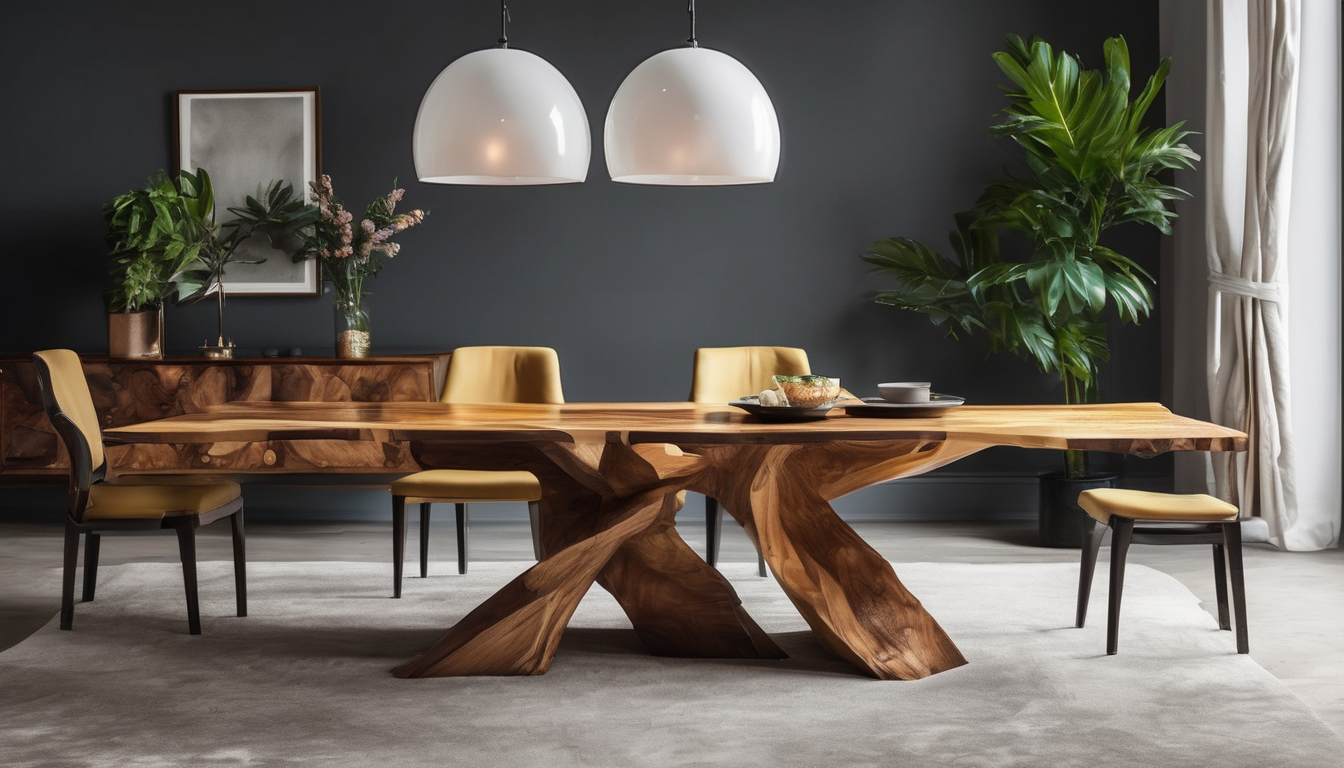

Introduction to Bespoke Solid Wood and Resin Dining Tables
Bespoke solid wood and resin dining tables are a perfect blend of traditional craftsmanship and modern aesthetics. This guide delves into the nuances of designing, crafting, and maintaining these unique pieces that combine the warmth of natural timber with the sleekness of clear or pigmented epoxy resins.
Understanding Bespoke Solid Wood and Resin Dining Tables
Bespoke solid wood and resin dining tables offer a unique combination of natural beauty and modern design. The process begins with selecting the right type of wood, such as oak, walnut, or maple, which provides the foundation for the table’s character. Epoxy resins are then used to create stunning inlays, accentuating the grain patterns or adding vibrant colour contrasts.
The choice between clear and pigmented resins can significantly affect the final look of your dining table. Clear resin allows the natural wood grain to shine through while providing a modern touch. Pigmented resin offers endless possibilities for creative expression, allowing you to incorporate vivid colours that complement or contrast with the wood’s inherent tones.
Each step in the creation process—from design sketches to final assembly—requires meticulous attention to detail and skilled craftsmanship to ensure the finished piece is both aesthetically pleasing and structurally sound. This guide will walk you through each stage of the process, providing tips and insights from experts who have crafted countless custom dining tables.
Material Selection for Your Table
Selecting the right materials for your bespoke solid wood and resin dining table is crucial to achieving a design that matches both your aesthetic preferences and durability requirements. The choice of timber plays a pivotal role in determining the look, feel, and longevity of the final piece.
Types of Wood Used
Popular choices include oak for its strength and versatility, walnut for its rich colour and grain patterns, maple for its fine uniformity, and cherry wood for its deep red tones that mature beautifully over time. Each type has unique characteristics that can enhance or detract from the overall aesthetic.
Qualities of Wood to Consider
When selecting timber, it’s important to consider factors such as hardness, stability, and grain patterns. Harder woods like maple are more resistant to dents and scratches compared to softer varieties like pine. Stability is also key; certain types of wood can be prone to warping or shrinking in humid climates.
Importance of Sustainability
Sustainable sourcing is becoming increasingly important for many homeowners seeking eco-friendly solutions. Look for timber that has been certified by organisations such as FSC (Forest Stewardship Council) to ensure it comes from responsibly managed forests.
Designing the Perfect Bespoke Dining Table
Designing a bespoke dining table involves balancing aesthetics and functionality. The size, shape, and style of your dining room will significantly influence the type of table you choose to create.
Considerations for Room Layout
The layout of your dining area should be carefully considered before deciding on a design. For example, long rectangular tables are ideal for spacious rooms with plenty of wall space, while round or square tables might suit smaller areas better.
Style and Aesthetic Trends
Current trends favour clean lines and minimalistic designs, though period styles like Victorian and Art Deco can also be incorporated into custom dining table creations. The integration of resin elements allows for a blend of traditional wood craftsmanship with contemporary design.
<h2 id="crafting-techniques-and-workshop-set-up”>Crafting Techniques and Workshop Set-Up
The craftsmanship involved in creating bespoke solid wood and resin dining tables requires both precision and creativity, along with a well-equipped workshop to facilitate the process. Each technique used contributes uniquely to the final outcome.
Traditional Woodworking Tools
Essential tools include hand planes for smoothing surfaces, chisels for carving details, and saws for precision cutting. These tools are invaluable in achieving clean lines and precise fits.
Modern Resin Crafting Tools
To work with epoxy resins, specific equipment is needed, including mixing containers, vacuum pumps to remove air bubbles, and heat lamps for curing processes. These tools help ensure that the resin applications are flawless.
Quality Control and Finishing Touches
Ensuring the quality of your bespoke solid wood and resin dining table is crucial to its longevity and aesthetic appeal. This stage involves rigorous testing and meticulous finishing work.
Inspection Processes
The inspection process includes checking for structural integrity, ensuring all joints are secure, and verifying that the tabletop surface is perfectly level. Every piece should be checked to ensure it meets high standards before proceeding with final touches.
Finishing the Tabletop
Applying a clear or tinted finish enhances the natural beauty of wood while protecting it from wear and tear. Clear coats such as polyurethane provide durability, whereas tinted finishes like oil-based stains add depth and character.
Maintenance and Care for Your Table
Proper maintenance is key to preserving the beauty and functionality of your bespoke solid wood and resin dining table. Regular cleaning and occasional reapplication of protective sealants can significantly extend its lifespan.
Cleaning Tips
To clean your table, use a soft cloth dampened with water and mild dish soap. Avoid using harsh chemicals that could damage the surface or degrade the epoxy resin over time.
Protective Sealants
Apply clear sealant every few years to protect against moisture and spills. This helps maintain the table’s finish and prevents staining from food residues.
<h2 id="choosing-the-right-finish-for-dining-ta”>Choosing the Right Finish for Dining Tables
The choice of finish can greatly affect the look, feel, and durability of your dining table. It is important to consider factors such as room aesthetics, personal taste, and practical needs.
Natural Finishes versus Lacquers
Natural finishes like oil-based stains or waxes enhance the natural beauty of wood without overpowering it. In contrast, lacquers provide a high-gloss finish that can highlight intricate details and protect against scratches.
Case Studies of Bespoke Solid Wood and Resin Dining Tables
Examine real-world examples to see how bespoke solid wood and resin dining tables have been successfully implemented in various settings. These case studies highlight the versatility and elegance that can be achieved through custom designs.
Case Study 1: A Rustic Farmhouse Table
This table combines reclaimed oak with a clear epoxy resin finish, creating an elegant yet rustic look perfect for a farmhouse kitchen. The natural wood grain provides warmth, while the clear resin adds modern contrast.
Case Study 2: A Contemporary Kitchen Island
A sleek walnut dining table with pigmented green epoxy inlays brings a vibrant touch to a contemporary kitchen setting. The contrasting colours create an eye-catching focal point while maintaining clean lines and minimalism.
Expert Tips for Bespoke Solid Wood and Resin Dining Tables
Enhance your understanding of bespoke solid wood and resin dining tables with expert advice from seasoned craftsmen. These tips can help streamline the design process, ensure quality control, and maintain your table’s beauty over time.
Tip 1: Select High-Quality Timber
Always choose timber that is free of knots and blemishes for a smoother finish. Premium wood provides better stability and longevity compared to lower-quality materials.
Tip 2: Use Precise Measuring Tools
Precision is key in woodworking. Invest in high-quality measuring tools like digital calipers to ensure accurate cuts and fits during assembly.
Tip 3: Test Resin Compatibility
Before applying epoxy resins, test small samples on scrap wood to ensure the chosen resin will adhere well without discoloring or reacting negatively with your timber type.
FAQs About Bespoke Solid Wood and Resin Dining Tables
Answer common questions that arise when considering bespoke dining tables made from solid wood and resin. These FAQs cover topics such as cost, durability, maintenance, and more.
FAQ 1: How Much Does a Bespoke Dining Table Cost?
The cost of a custom dining table can vary widely depending on the type of timber used, size, design complexity, and whether resin elements are included. Prices typically range from £500 to over £2,000.
FAQ 2: How Durable Are Resin Inlays?
Resin inlays can be incredibly durable when properly applied. They resist scratches and stains better than many finishes but may still require occasional maintenance to look their best. Understanding Bespoke Solid Wood And Resin Dining Tables is key to success in this area.
