
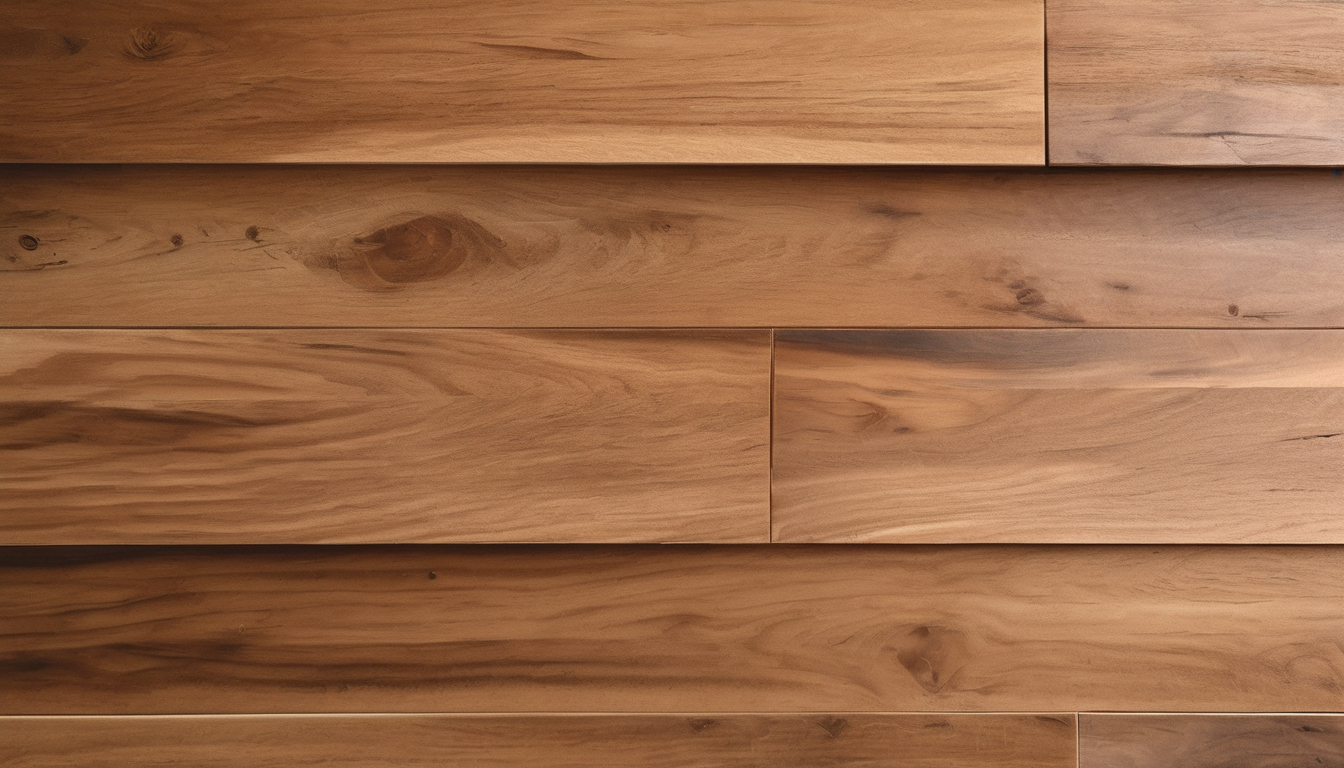

Introduction to Choosing Sustainable Hardwoods for Longevity
When crafting bespoke solid wood and resin dining tables in Bristol and its surrounding areas, choosing the right sustainable hardwood is paramount. Not only does it ensure your table stands the test of time but also supports environmental conservation efforts. This guide delves into the nuances of selecting sustainable hardwoods that promise longevity while maintaining aesthetic appeal.
Understanding Choosing Sustainable Hardwoods For Longevity is essential. Understanding sustainability criteria for hardwoods is crucial. Sustainable wood comes from responsibly managed forests where trees are harvested in a manner that promotes biodiversity and ecological balance. These practices ensure future generations can enjoy natural resources without depleting them, making it an ethical choice for your dining table project.
Additionally, selecting the right type of hardwood contributes to the durability and aesthetic appeal of your dining table. Different species offer unique grain patterns, colour variations, and resistance to wear and tear. This guide will explore these aspects in detail, providing practical insights and expert tips to help you make informed decisions. This relates directly to Choosing Sustainable Hardwoods For Longevity.
Table of Contents
Choosing Sustainable Hardwoods For Longevity – Understanding Sustainability Criteria for Hardwoods
Choosing sustainable hardwood involves understanding various criteria that ensure the wood is responsibly sourced. These include:
- Forest management practices that support biodiversity and ecological health.
- Sustainable logging methods that minimise environmental impact.
- Evidence of replanting efforts to maintain forest cover.
Certifications like FSC (Forest Stewardship Council) or PEFC (Programme for the Endorsement of Forest Certification schemes) are key indicators. They ensure wood is harvested from forests managed according to strict environmental, social, and economic standards.
Evaluating Sustainability Certifications
When evaluating sustainability certifications, it’s crucial to look beyond mere labels. Research the certification body’s criteria and verify if they align with your ethical values. FSC, for instance, mandates that forests are managed in a way that conserves biological diversity and ecological processes.
Choosing Sustainable Hardwoods For Longevity – Types of Hardwood Species and Their Characteristics
Different hardwood species offer unique characteristics suitable for various applications, especially dining tables. Some popular choices include:
- Walnut: Known for its rich dark tones and distinctive grain patterns.
- Beech: Durable with a light natural colour that complements resin work beautifully.
- Oak: Highly durable, versatile in style, and resistant to wear and tear.
Each species has its own aesthetic appeal and performance attributes. Walnut provides an elegant look while beech offers practical durability. Oak strikes a balance between beauty and longevity. When considering Choosing Sustainable Hardwoods For Longevity, this becomes clear.
Selecting Hardwood for Dining Tables
When selecting hardwood for dining tables, consider how the wood’s characteristics complement your design vision. For example, walnut’s deep tones pair well with clear resin inlays, creating a sophisticated look. Beech’s light colour enhances the clarity of pigmented resin pours, adding vibrancy to kitchen islands or breakfast bars.
Sustainability Certification Marks to Look For
Certifications like FSC and PEFC are essential indicators of sustainability in hardwood sourcing. These certifications go beyond mere claims by providing transparent verification through audits and inspections.
- FSC (Forest Stewardship Council): Ensures forests are managed according to rigorous environmental, social, and economic standards.
- PEFC (Programme for the Endorsement of Forest Certification schemes): Supports sustainable forest management by promoting responsible forestry practices.
These marks guarantee that your hardwood comes from responsibly managed forests where biodiversity is preserved and local communities are supported. The importance of Choosing Sustainable Hardwoods For Longevity is evident here.
Choosing the Right Hardwood for Longevity in Dining Tables
Selecting a hardwood with inherent properties that promote longevity is crucial. Factors such as durability, resistance to wear and tear, and ability to withstand moisture play significant roles in determining the lifespan of your dining table.
For instance, oak’s natural resistance to water damage makes it ideal for kitchen islands exposed to spills. Walnut’s tight grain structure resists splintering under heavy use, ensuring a smooth surface that lasts decades. By understanding these characteristics, you can choose hardwoods tailored to the specific demands of your dining table environment. Understanding Choosing Sustainable Hardwoods For Longevity helps with this aspect.
Resilient Hardwood Species
Certain species stand out for their resilience and longevity:
- Hickory: Highly durable with an appealing grain that ages gracefully.
- Birch: Known for its strength and stability, making it ideal for heavy use areas.
These woods not only enhance the aesthetic appeal but also ensure your dining table remains functional and beautiful over time. Choosing Sustainable Hardwoods For Longevity factors into this consideration.
Care and Maintenance Tips for Sustainable Hardwoods
Proper care and maintenance significantly extend the life of sustainable hardwoods. Regular cleaning, conditioning with natural oils or waxes, and protection from excessive moisture are key practices.
- Use microfiber cloths to clean surfaces gently.
- Apply food-safe mineral oil after initial seasoning to maintain wood integrity.
Consistent care routines help preserve the wood’s natural beauty while preventing issues like cracking or warping. Regular maintenance ensures your dining table remains a cherished piece for generations. This relates directly to Choosing Sustainable Hardwoods For Longevity.
Case Studies of Sustainable Hardwood Use in Bespoke Dining Tables
Examining real-world examples provides insight into the benefits and practical applications of sustainable hardwoods. A case study from Jamie Simmonds Carpentry showcases how oak was chosen for its durability and timeless elegance, creating a dining table that has become a focal point in a client’s home.
By studying these instances, you can better understand the specific advantages of different species and tailor your choices to meet both aesthetic and functional requirements.
Common Mistakes to Avoid When Choosing Sustainable Hardwoods
Navigating the complexities of hardwood selection requires vigilance against common pitfalls. Some frequent errors include:
- Overlooking sustainability certifications.
- Selecting wood based solely on appearance without considering durability.
Avoid these mistakes by prioritising comprehensive research and consulting with experts like Jamie Simmonds Carpentry to ensure your choices are both sustainable and practical.
Expert Tips for Creating Long-Lasting Dining Tables with Sustainable Hardwoods
Craftsmanship plays a pivotal role in extending the lifespan of dining tables. Expert tips from seasoned professionals like Jamie Simmonds Carpentry include:
- Employing precise joinery techniques to minimise gaps and wear points.
- Utilising high-quality finishes that protect against moisture and UV damage.
By incorporating these strategies, you can create dining tables that not only showcase sustainable hardwoods but also ensure they remain functional and beautiful for years to come.
Practical Advice for Craftsmanship Excellence
Adhering to best practices in woodworking enhances the longevity of your dining table:
- Use epoxy consolidations for structural integrity.
- Opt for high-quality adhesives and fixings that withstand daily use.
These tips ensure your dining table remains a durable focal point, combining sustainability with enduring quality. Understanding Choosing Sustainable Hardwoods For Longevity is key to success in this area.
