
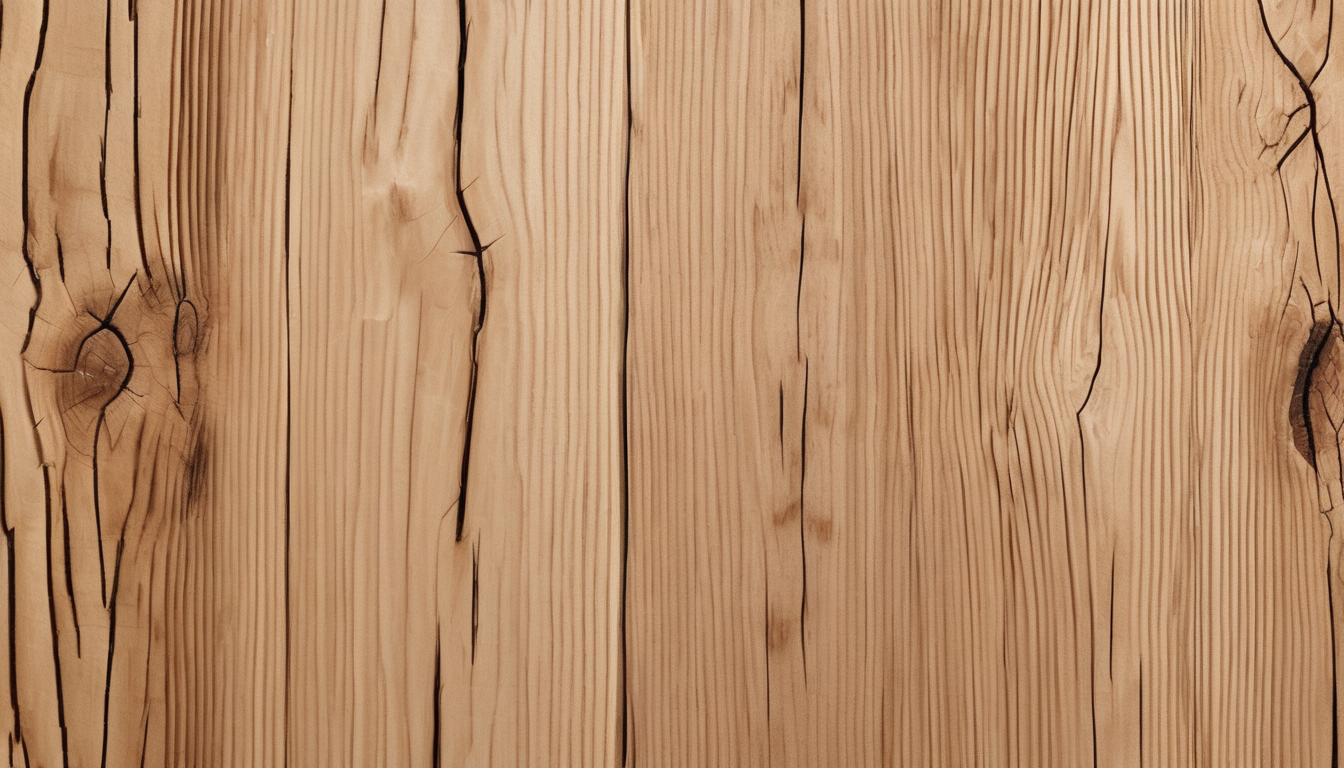

Understanding Troubleshooting Common Issues in Wood Crack Filling with Epoxy Resin
Understanding Troubleshooting Common Issues In Wood Crack Filling With is essential. Filling cracks in wood using epoxy resin can be a rewarding way to restore and enhance the beauty of your timber pieces. However, it’s not without its challenges. From ensuring proper adhesion and curing times to dealing with air bubbles and uneven surfaces, there are several common issues that can arise during the process. This article will guide you through troubleshooting these problems effectively.
Preparing the Surface for Epoxy Resin Crack Filling
Before applying epoxy resin to fill cracks in wood, proper surface preparation is crucial. Failure to prepare adequately can lead to poor adhesion and a compromised repair job. Here are some key steps: This relates directly to Troubleshooting Common Issues In Wood Crack Filling With.
- Remove Dust: Use compressed air or a vacuum cleaner with a narrow nozzle attachment to remove dust from the crack.
- Scrape Away Old Fillers: If there’s any old filler material in the cracks, scrape it out carefully using a sharp blade. This ensures that new epoxy has nothing to adhere to but clean wood.
- Clean with Solvent: Apply a cleaning solvent like acetone or denatured alcohol to remove oils and residues from the timber surface. Wipe dry before proceeding.
Common Preparation Mistakes to Avoid
Some common errors people make during preparation include not removing all dust, applying insufficient pressure when cleaning with solvent, or leaving too much old filler material in the cracks.
Selecting the Right Epoxy Resin for Crack Filling
Choosing the appropriate epoxy resin is essential to achieving a successful repair. Factors such as viscosity, curing time, and durability should be considered when selecting your product:
- Viscosity: Opt for a low-viscosity (thinner) epoxy if you’re filling very narrow cracks or gaps. Thicker epoxies are better suited for larger openings.
- Curing Time: Fast-curing resins allow quicker turnaround times but may be more difficult to work with. Slow-cure formulations give longer working time and can help reduce air entrapment issues.
- Durability: Look for high-performance epoxies designed specifically for wood repairs, which offer excellent adhesion and resistance to environmental factors over extended periods.
Compatibility with Wood Types
Different types of timber may require specific formulations due to varying porosity levels or moisture content. Test a small area first if unsure about compatibility.
<h2 id="mixing-the-resin-correctly”>Mixing the Resin Correctly for Crack Filling
Proper mixing is another critical aspect that can affect the outcome of your repair project:
- Proportions: Ensure you measure out components accurately according to manufacturer guidelines. Even slight deviations in ratios can impact performance.
- Mixing Technique: Use a paddle stick or similar tool to blend resin thoroughly, ensuring no streaks remain before application.
Avoiding Air Bubbles During Mixing and Application
Air bubbles trapped within the epoxy can compromise its structural integrity. To avoid this issue:
- Stir slowly and steadily to minimize agitation that introduces air into the mix.
- Apply resin in thin layers, allowing each coat to cure slightly before adding another layer.
Applying the Resin Properly for Crack Filling
The application process itself carries several common pitfalls and solutions:
- Consistent Coverage: Spread resin evenly along cracks using a flexible spatula or brush. Overlap slightly on each pass to ensure full coverage.
- Sanding Between Layers: Allow initial layer to set, then gently sand rough spots before applying subsequent coats for smoother finishes.
Troubleshooting Uneven Surfaces After Application
If you notice an uneven surface after the epoxy has cured:
- Use fine-grit sandpaper to smooth out high spots carefully, being mindful not to over-sand areas that are already level.
- Consider reapplying a thin layer of resin in recessed areas for a more uniform appearance.
Curing Process Considerations During Crack Filling with Epoxy Resin
The curing phase is where many repair projects either succeed or fail due to improper handling:
- Temperature Control: Ensure the environment remains stable at around 20°C (68°F) for optimal curing conditions. Avoid extreme temperatures.
- Curing Time: Allow sufficient time for epoxy to fully harden before subjecting it to stress or heavy use.
Accelerating Curing Times When Needed
In cases where quick turnaround is necessary, consider these strategies:
- Add a small amount of heat using infrared lamps or hairdryers set on low for localized warming without causing overheating.
- Use an accelerator additive specifically formulated to speed up the curing process as per manufacturer instructions.
Finishing and Polishing After Crack Filling with Epoxy Resin
Once your repair is complete, proper finishing touches can make all the difference:
- Polish to a Smooth Finish: Use progressively finer grit sandpaper followed by polishing compounds for a professional look.
- Apply Protective Coating (Optional): A clear sealant or varnish layer protects repaired areas from future wear and tear.
Addressing Uneven Polishing Issues Post-Repair
If polishing results in an uneven surface:
- Identify specific problem spots with a magnifying glass, then use targeted sanding or reapplication of resin to correct them.
- Work methodically across the entire repaired area for consistency and symmetry.
Expert Tips Section: Troubleshooting Common Issues in Wood Crack Filling with Epoxy Resin
To help you tackle common issues more efficiently, here are some expert tips:
- Preventative Maintenance: Regular inspections and timely repairs can prevent minor cracks from becoming major problems.
- Practice Makes Perfect: Experiment with smaller projects first to familiarize yourself with the materials and techniques involved.
FAQ Section: Troubleshooting Common Issues in Wood Crack Filling with Epoxy Resin
Some frequently asked questions about troubleshooting epoxy resin crack filling include:
- How Do I Fix Bubbles After Application?
- What Should I Do If the Epoxy Doesn’t Adhere Properly?
- Can I Speed Up Curing Times Safely?
Conclusion: Mastering Troubleshooting Common Issues in Wood Crack Filling with Epoxy Resin
By understanding the common issues that arise during epoxy resin crack filling and knowing how to address them effectively, you can ensure your repair projects achieve professional standards. With practice and patience, even complex repairs can be mastered.
