

—
—
Live edge furniture is a stunning addition to any home, but maintaining it properly ensures that it remains beautiful for years. In this article, we delve into the challenges of caring for live edge furniture and provide practical solutions to keep your piece looking as good as new.
Understanding Maintaining Live Edge Furniture Longevity
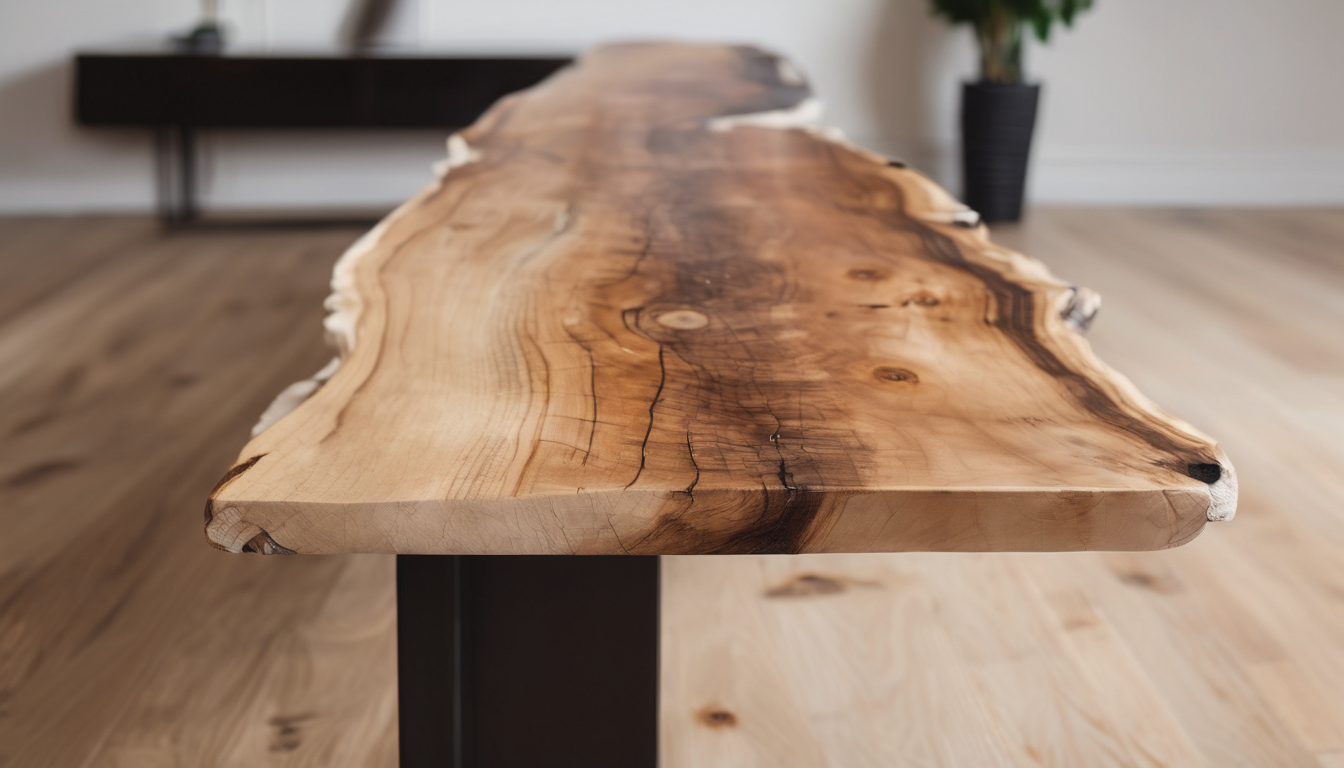
Maintaining Live Edge furniture longevity requires a deep understanding of the unique characteristics of this type of wood. Live edge pieces are cut from trees that have been felled, preserving their bark and natural character. This process can introduce challenges such as varying grain patterns, knots, and inherent moisture content.
<h2 id="live-edge-olive-ash-breakfast-bar-challenge”>Maintaining Live Edge Furniture Longevity – Live Edge Olive Ash Breakfast Bar Challenge
One of our clients, a family from Bath, UK, recently approached us with concerns about their Live Edge Olive Ash Breakfast bar. The piece was beautiful but showed signs of wear and tear, including some areas that had started to darken and develop cracks.
The Challenge
The main issues were:
- Darkening of the wood due to moisture exposure
- Mildew growth in certain sections
- Cracks and minor splits developing around the edges and corners
Maintaining Live Edge Furniture Longevity – Approach to Maintain Resin-Finished Live Edge Furniture
To address these issues, we first cleaned the piece thoroughly using a mild soap solution. We then inspected it for any areas that required additional attention.
Inspecting for Issues
Our team identified the following:
- Mildew growth in a corner where water had accumulated
- A small split near one of the support beams, indicating potential structural concerns
- General surface wear from daily use and handling
Resin Pour Techniques Explained
To address these issues, we decided to apply a clear resin pour. Clear resin is an excellent choice for live edge furniture as it enhances the natural beauty of the wood while providing protection against moisture and damage.
Preparing the Piece for Resin
First, we cleaned the piece again to ensure all oils and dust were removed. We then used a sanding block to smooth out any minor imperfections in the surface.
Next, we applied a thin layer of primer to seal the wood, ensuring that the resin would adhere properly. This step is crucial for a long-lasting finish.
Care and Maintenance Tips for Live Edge Wood
Maintaining Live Edge furniture involves more than just cleaning. Proper care can extend its lifespan significantly:
- Regular Cleaning: Use a soft cloth to wipe down the piece regularly, avoiding harsh chemicals that could damage the surface.
- Avoid Direct Sunlight: Place your live edge furniture away from direct sunlight to prevent fading and warping.
- Moisture Control: Keep it in a dry environment to avoid moisture-induced issues like splitting or swelling.
- Lubrication for Moving Parts: For any sliding elements, apply a small amount of food-grade silicone lubricant to ensure smooth operation without damaging the wood.
Expert Tips for Longevity
Our experience with live edge furniture has taught us several key principles:
- Select High-Quality Wood: Opt for species that are naturally resistant to rot and insect damage, such as oak or teak.
- Incorporate Resin: As demonstrated with the olive ash breakfast bar, resin can protect against moisture and structural issues while enhancing aesthetics.
- Regular Inspections: Check your furniture for any signs of wear or damage regularly to catch problems early.
- Hire Professionals: For more complex pieces, consider consulting with a professional who specializes in live edge furniture care.
FAQ on Live Edge Furniture
- Q: Can I use any type of wood for live edge furniture?
- A: While any species can be used, certain woods like oak and teak are more durable and resistant to moisture.
- Q: How often should I clean my live edge piece?
- A: Aim to clean it every few months using a soft cloth or mild soap solution. Avoid abrasive materials that could damage the surface.
- Q: Is resin necessary for all types of live edge furniture?
- A: Not always, but resin can provide additional protection and aesthetic enhancement. It’s particularly useful in areas prone to moisture issues.
Conclusion: Maintaining Live Edge Wood
Maintaining Live Edge furniture is a blend of artistry and science, requiring both a deep understanding of the wood’s characteristics and practical knowledge of care techniques. By following our guide, you can ensure that your live edge piece remains a stunning feature in your home for decades to come. Understanding Maintaining Live Edge Furniture Longevity is key to success in this area.
