
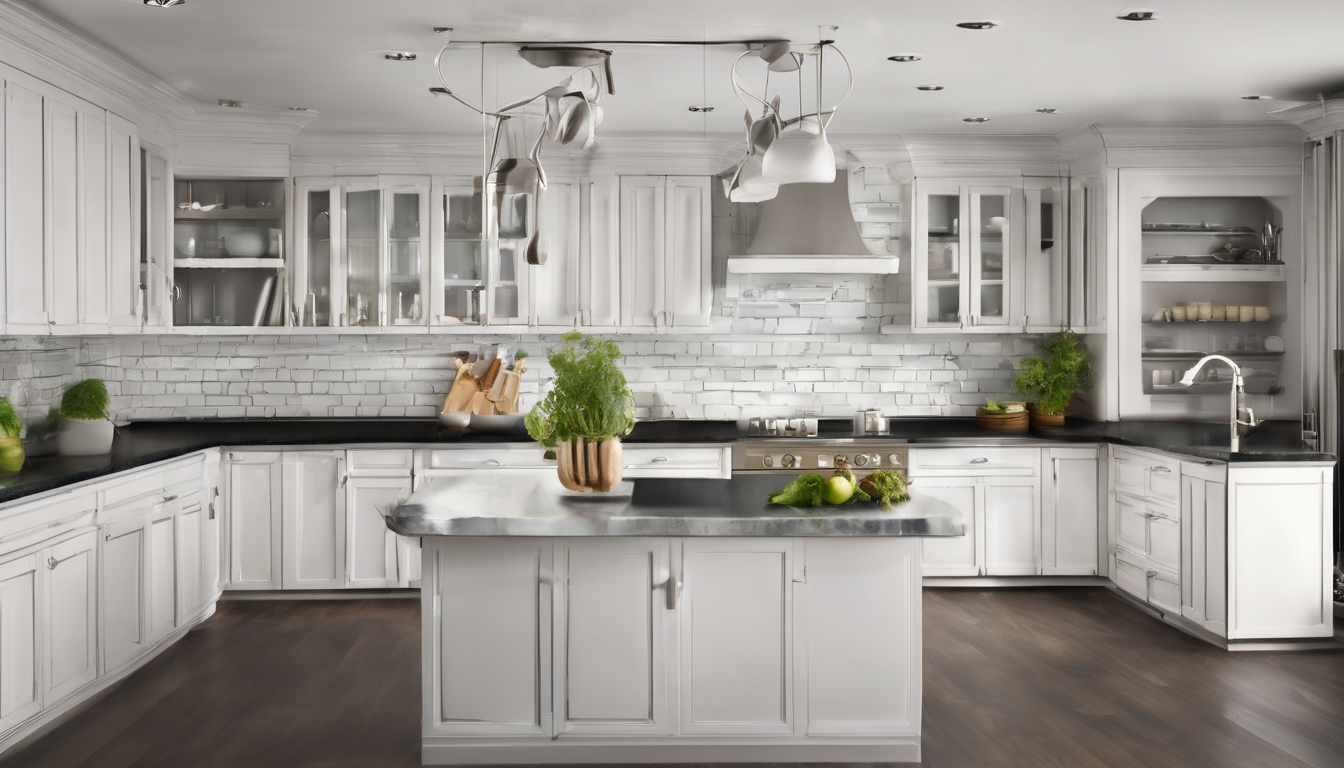

Kitchen installation represents one of the most significant investments homeowners make in their properties. Yet despite its importance, many projects fall victim to preventable errors that result in costly delays, poor functionality, and disappointing aesthetics. Understanding the common challenges in kitchen installation and how to avoid them can mean the difference between a kitchen that serves your home beautifully for decades and one that requires expensive repairs and retrofitting.
Throughout my years as a carpenter working on kitchen projects across Bristol and the South West, I’ve witnessed how the same problems surface repeatedly. These aren’t unavoidable disasters—they’re predictable obstacles with proven solutions. Whether you’re planning a DIY kitchen upgrade, managing a professional installation, or simply considering a kitchen renovation, knowing how to navigate these common challenges in kitchen installation and how to avoid them will save you time, money, and stress.
Inaccurate Measurements and Poor Planning: The Foundation of Common Challenges in Kitchen Installation
Precision in measurement forms the bedrock of successful kitchen installation. I’ve encountered countless situations where homeowners or inexperienced installers have skipped the critical step of double-checking measurements, resulting in gaps, misaligned units, and wasted materials. Even a few millimetres of error compounds exponentially across a kitchen layout, particularly when cabinet runs extend along multiple walls.
The solution requires methodical approach. Always measure twice, then measure a third time if possible. Use modern tools like laser levels rather than relying solely on traditional tape measures. Create a detailed scale drawing before ordering any materials, showing exact placement of appliances, cabinets, and fixtures. I recommend taking measurements at multiple heights along walls, as older properties rarely have perfectly vertical surfaces.
Beyond physical measurements, invest time in the planning phase. Review manufacturer fitting guides thoroughly, sketch out your kitchen layout, and visualize the workflow. This planning stage prevents the frustration and expense of discovering incompatibilities after materials arrive. Consider creating a timeline that accounts for any unexpected structural issues you might uncover during removal of existing installations.
Why Common Challenges in Kitchen Installation Often Begin with Measurement Errors
Measurement mistakes compound because kitchens function as integrated systems. When one measurement is off, it creates cascading problems affecting adjacent components. Cabinet doors won’t align, worktops sit unevenly, and appliances don’t fit their designated spaces. These issues become exponentially more expensive to correct once installation has begun.
Dealing with Structural and Layout Challenges in Kitchen Installation
Structural complications represent some of the most stubborn common challenges in kitchen installation, particularly in older properties. Uneven floors, walls that aren’t square, inadequate support structures, and angled or compromised ceilings frequently emerge during kitchen renovation work. Many Bristol homes, particularly Victorian and Georgian properties, present these structural quirks that require careful navigation.
My approach involves comprehensive structural assessment before finalising any design. Identify uneven floors early—a self-levelling laser reveals exactly how much variation exists. Check wall squareness using a large spirit level or laser level. Look for signs of previous water damage, subsidence, or structural movement that might affect installation integrity. These early discoveries allow you to adjust your kitchen design rather than discovering problems mid-installation.
When structural issues arise, solutions exist but require professional guidance. Uneven floors might need localised levelling before cabinet installation. Out-of-square walls may necessitate custom-cut cabinet backs or scribing along edges. Support structures might require reinforcement if you’re installing heavy stone worktops. These aren’t obstacles to panic about—they’re normal in renovation work. Plan budget and timeline contingencies specifically for structural surprises.
Overlooking Workflow and the Kitchen Triangle: Common Challenges in Kitchen Installation Design
The kitchen triangle—the imagined line connecting refrigerator, sink, and cooker—represents fundamental workflow logic. Many kitchens, particularly in older homes, ignore this principle entirely. The sink sits in one corner while the cooker occupies a wall far distant. Understanding the common challenges in kitchen installation related to poor workflow prevents creating a kitchen that frustrates you daily for years afterward.
During renovation, prioritise repositioning appliances to create an efficient kitchen triangle. Ideally, the distance between these three points should balance convenience with workspace. Position them close enough for efficient movement during cooking, but with adequate space around each for doors and drawers to open comfortably. Consider traffic flow through the kitchen, ensuring cooking zones remain separated from pathways leading to other rooms.
Task zones deserve careful planning. Prepare zones should cluster near the sink and cooker. Storage for frequently used items should position themselves logically near where you’ll use them. This thoughtful arrangement transforms kitchen functionality dramatically. I’ve seen homeowners with identical kitchen specifications express vastly different satisfaction levels based purely on whether workflow received proper attention during planning.
Poorly Installed Worktops and Surfaces: Addressing Common Challenges in Kitchen Installation
Worktops represent the most visible and heavily used kitchen component, yet installation often receives insufficient attention. Uneven worktops, inadequate support for heavy materials like granite or quartz, and poor sealing around joints create both aesthetic and functional problems. These issues fall directly into the category of common challenges in kitchen installation that directly impact daily usability.
Proper worktop installation begins with a completely level and well-supported base. Use quality clamps to hold worktops firmly during installation and allow adhesive to cure fully. For heavier materials, install additional support brackets underneath to prevent sagging over time. Ensure all joints receive proper sealing with food-safe sealant, preventing water ingress that damages cabinets and supports below.
Take time adjusting and perfecting worktop alignment before moving forward. Rushed installation results in noticeable gaps, uneven surfaces, and costly repairs later. Consider the worktop colour and material as part of your overall aesthetic, but never compromise installation quality for appearance. A well-installed basic laminate worktop outperforms a poorly installed premium stone surface.
Inadequate Storage and Space Planning: Preventing Common Challenges in Kitchen Installation
Underestimating storage requirements ranks among the most common oversights in kitchen planning. Homeowners frequently discover mid-project that they haven’t allocated sufficient space for pots, pans, utensils, and food storage. This creates cluttered worktops, limited usable workspace, and daily frustration locating items. These common challenges in kitchen installation often emerge because designers haven’t fully considered the homeowner’s actual storage needs.
During planning, catalogue what you actually store in your kitchen. Measure your largest pots, your small appliances, your food stocks. Plan dedicated spaces for everything, considering both accessibility and organisation. Modern kitchens benefit from creative storage solutions—pull-out drawers, carousel corner units, vertical storage, and hidden compartments—that maximise limited space while maintaining functionality.
Vertical space often represents an underutilised opportunity. Wall-mounted shelving, tall cabinets reaching ceiling height, and corner solutions can dramatically increase storage capacity without consuming additional floor space. In smaller kitchens, this becomes essential. Work with your designer or installer to identify every storage opportunity, ensuring your finished kitchen accommodates your actual lifestyle rather than forcing you to store items elsewhere in your home.
Choosing Materials Wisely to Avoid Costly Problems in Kitchen Installation Challenges
Budget constraints tempt many homeowners toward low-quality materials, seemingly offering immediate savings. However, this false economy frequently backfires when cheap cabinets warp, inexpensive hinges fail, and budget worktops chip or stain. Understanding the relationship between material quality and long-term satisfaction prevents this particularly costly mistake among common challenges in kitchen installation.
Quality materials don’t always mean premium prices. Mid-range options from reputable manufacturers often provide superior value compared to bargain alternatives. Engineered stone worktops perform admirably for years at reasonable cost. Quality timber laminates offer practical durability for the investment. Focus your budget strategically—investing in high-quality hinges, drawer mechanisms, and worktops pays dividends, while you might economise on decorative elements that won’t affect daily function.
Consider longevity when selecting materials. Your kitchen should function beautifully for at least a decade, likely much longer. A few hundred pounds invested in better quality now prevents thousands in repairs later. I recommend researching product warranties and customer reviews, understanding how materials perform over time rather than simply choosing based on initial appearance or cost.
Poor Lighting Design and Task Illumination: Solving Common Kitchen Installation Challenges
Inadequate lighting creates common challenges in kitchen installation that affect both functionality and aesthetic appeal. Many kitchens rely solely on central ceiling lights that cast shadows over worktops where you actually prepare food. Poor lighting complicates food preparation, creates safety hazards, and fails to showcase your new kitchen’s best features.
Comprehensive lighting design includes three layers: ambient lighting for overall illumination, task lighting over work areas, and accent lighting highlighting architectural features. Install task lighting directly above worktops where you prepare food and above the sink area where visibility proves critical. Consider cooker hoods with integrated lighting to illuminate the hob when cooking. These practical additions transform kitchen functionality.
Don’t overlook the aesthetic dimension of lighting design. Well-placed under-cabinet lights provide both task illumination and atmospheric appeal. Pendant lights over islands create focal points while providing task lighting. Dimmable options allow you to adjust ambiance for entertaining versus everyday cooking. Many common challenges in kitchen installation related to lighting emerge not from technical failure but from insufficient planning during the design stage.
The Risks of DIY Installation Without Professional Experience: Understanding Kitchen Installation Challenges
DIY kitchen installation appeals to many homeowners seeking to save money, but this approach frequently results in costly mistakes among common challenges in kitchen installation. Installing cabinets, worktops, and appliances requires specific knowledge about levelling, alignment, structural support, and finishing details. Mistakes made during installation prove extremely expensive to remedy afterward.
Professional installers possess years of experience identifying and solving problems that surprise DIY enthusiasts. They understand how to work with out-of-square walls, uneven floors, and structural constraints. They know proper techniques for securing heavy worktops, aligning cabinet doors perfectly, and finishing edges professionally. They possess specialised tools and troubleshooting knowledge that accelerate installation while preventing damage.
If you choose DIY installation, invest in proper training and preparation. Study manufacturer guides thoroughly. Acquire quality tools appropriate for the work. Allow extra time—rushed DIY installation guarantees problems. Consider a hybrid approach where professionals handle complex elements like worktop installation and appliance fitting while you manage simpler tasks. This balances cost savings against the risk of expensive mistakes among common challenges in kitchen installation.
When Professional Installation Makes Financial Sense
Research indicates that 30% of homeowners experience installation delays and 14% encounter problems with fitters damaging units. However, these statistics often involve budget installers rather than established professionals. Investing in experienced, reputable installers typically prevents such issues entirely, making the investment worthwhile over kitchen lifetime.
Managing Delays, Hidden Costs, and Communication: Addressing Kitchen Installation Challenges
Unexpected delays and hidden costs plague many kitchen installations, representing some of the most frustrating common challenges in kitchen installation. Delivery delays compound with structural discoveries, material supply issues, and coordination problems between different trades. Setting realistic expectations and robust contingency planning prevent these challenges from derailing your project.
Always allocate 10-20% budget contingency for surprises. Kitchen installations frequently encounter hidden issues—plumbing problems when installing a new sink, electrical challenges when relocating appliances, structural concerns revealed only during demolition. These unexpected costs aren’t signs of poor planning; they’re normal in renovation work. Planning for contingencies prevents financial stress when they emerge.
Communication failures frequently underlie common challenges in kitchen installation. Establish clear expectations with your installer about timeline, costs, communication frequency, and problem resolution. Confirm delivery dates well in advance, ensuring you’re ready for installation. Document all agreements in writing. Regular check-ins prevent small issues from escalating into major problems. If using your own fitter, verify their credentials and insurance—working with a Which? Trusted Trader provides valuable recourse if serious problems emerge.
Timeline Realism for Kitchen Installation
A full kitchen installation typically requires 2-6 weeks depending on complexity and whether structural work is necessary. Account for delivery times, particularly if ordering custom or premium items. Don’t rush the process—hurried installation increases error likelihood. Plan installation during a period when you can tolerate kitchen disruption, understanding that cooking facilities may be limited during the work.
The Critical Importance of Finishing Details in Kitchen Installation
Many homeowners underestimate the final finishing touches that separate professional installations from mediocre ones. Sealant, cornices, plinths, and trim details might seem minor, but they fundamentally affect how a kitchen appears. These elements, often treated as afterthoughts, actually deserve careful attention and quality execution among common challenges in kitchen installation.
Sealant around worktops, splashbacks, and sink edges prevents water ingress that damages cabinetry and supports. Properly installed plinths create finished aesthetic while protecting cabinet bases. Cornices along the top of cabinet runs add architectural sophistication. Scribing along walls where cabinets meet uneven surfaces requires precision. Don’t rush these final steps—they transform a merely functional kitchen into one that looks professionally finished and will last for decades.
These finishing details also address practical concerns. Sealed joints prevent water damage. Proper trim around appliances creates a cohesive appearance. Base boards protect cabinets from floor water and debris. When common challenges in kitchen installation relate to finishing quality, it’s because these essential details received insufficient attention or budget allocation.
Expert Tips for Avoiding Common Kitchen Installation Challenges
Measure Comprehensively: Don’t rush measurements. Identify wall irregularities, floor unevenness, and structural quirks before finalising designs. Multiple measurements from different positions catch errors.
Plan Thoroughly: Invest significant time in planning before ordering materials. Review your lifestyle, storage needs, workflow, and aesthetic preferences. A well-planned kitchen adapted to how you actually live provides years of satisfaction.
Budget Realistically: Allocate funds strategically across components. Invest in quality where items receive heavy daily use while economising on decorative elements. Always maintain contingency funds for unexpected discoveries.
Choose Experienced Installers: Quality installation prevents most common kitchen challenges from materialising. Experienced professionals work efficiently, solve problems proactively, and deliver professional results.
Understand Common Challenges in Kitchen Installation: Familiarise yourself with typical problems—measurement errors, poor workflow, inadequate lighting, weak storage—so you can advocate for solutions addressing your specific situation.
Communicate Clearly: Maintain regular dialogue with your installer. Clarify expectations upfront. Address concerns immediately rather than allowing small issues to compound into major problems.
Don’t Compromise on Structural Elements: While you might economise on finishes, never cut corners on foundational elements like cabinet strength, worktop support, or proper levelling and alignment.
Conclusion: Mastering Common Challenges in Kitchen Installation and How to Avoid Them
Kitchen installation presents numerous potential obstacles, yet understanding common challenges in kitchen installation and how to avoid them transforms these obstacles into manageable aspects of successful renovation. From the foundational importance of accurate measurements to the final polish of finishing details, each element contributes to your kitchen’s functionality and longevity.
The common challenges in kitchen installation explored throughout this guide—measurement errors, structural complications, poor workflow, inadequate storage, material shortcuts, lighting oversights, DIY mistakes, delays, and finishing negligence—all have proven solutions. Some require professional expertise, while others benefit from thorough planning and realistic budgeting.
Your kitchen serves your home for years, supporting daily cooking, family gatherings, and countless memories. Investing time in understanding how to address common challenges in kitchen installation ensures your finished space delivers the functionality, beauty, and durability this important room deserves. Whether managing installation yourself or working with professionals, the knowledge contained in this guide enables you to navigate the process confidently, avoiding costly mistakes while creating a kitchen you’ll genuinely enjoy for decades.
Remember that experienced professionals have encountered virtually every variation of these challenges and developed practical solutions. Don’t hesitate to seek expert guidance—the investment in proper planning and skilled installation pays dividends throughout your kitchen’s lifetime, preventing the frustration and expense of costly corrections after the fact.
