
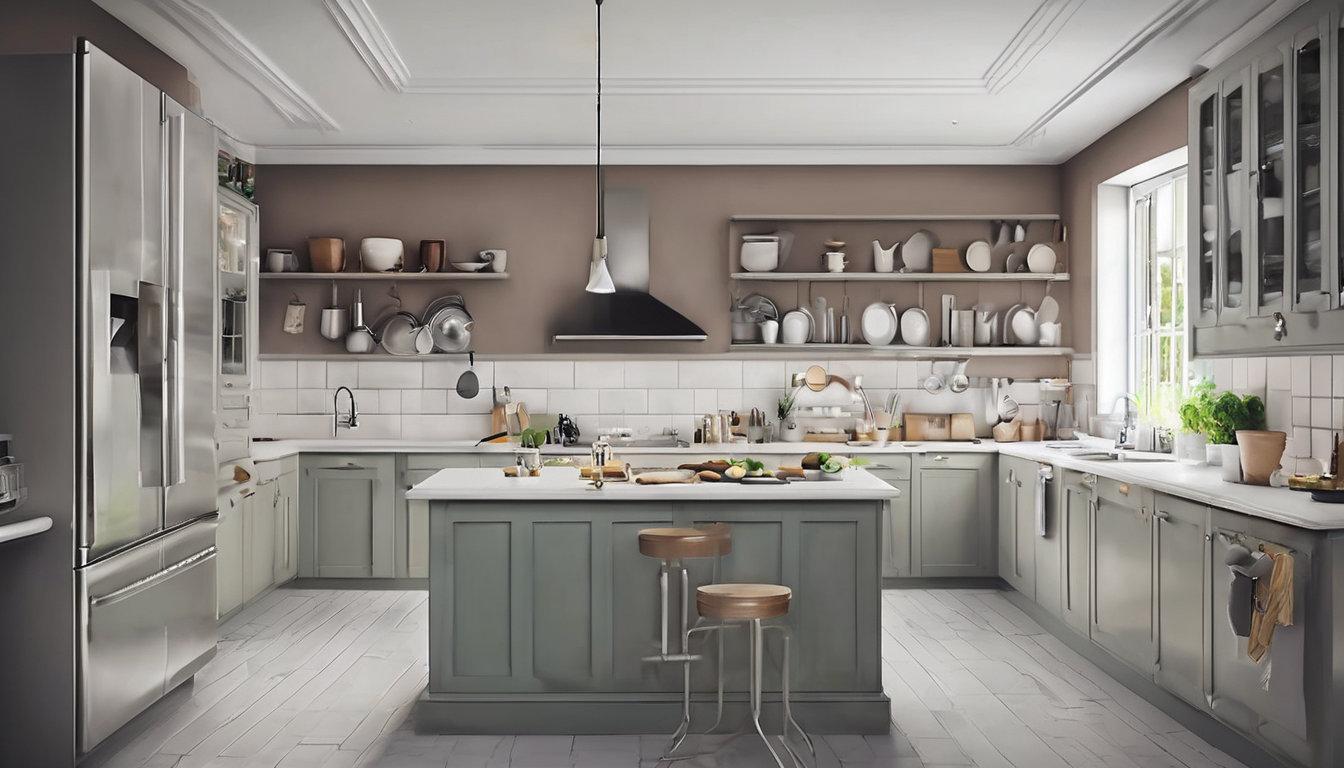

Installing a kitchen is a major home improvement project that promises to transform your cooking space, but it often comes with a set of challenges. Those embarking on kitchen fitting need to understand common pitfalls early on to avoid frustration, unexpected costs, and functionality issues. This guide on Common Kitchen Fitting Problems and How to Avoid Them addresses these challenges with practical explanations and actionable solutions, helping you achieve a beautiful, efficient kitchen that lasts.
Whether you are working with a mainstream kitchen fitting company or a bespoke joinery specialist, knowing what can go wrong—and how to prevent it—is key. From layout missteps to measurement errors and installation delays, this article goes deep into the most frequent kitchen fitting problems and how you can steer clear of them.
Understanding Common Kitchen Fitting Problems and How to Avoid Them
The first step in avoiding kitchen fitting problems is recognizing what typically goes wrong. Common issues arise primarily from inadequate planning, incorrect measurements, unsuitable material selection, poor workmanship, and neglecting necessary features like ventilation and lighting. Each can compromise your kitchen’s function, aesthetics, and energy efficiency.
Addressing these challenges proactively ensures a smoother installation and a kitchen that truly fits your lifestyle. The emphasis should be on combining quality craftsmanship with practical design, especially when choosing the best mainstream kitchen fitting company who can balance expertise and value[1][6].
Measurement and Layout Errors: The Foundation of Kitchen Fitting Issues
One of the most prevalent problems in kitchen fitting is inaccurate measurement. Even a few millimetres off can cause cupboards not to fit, appliances to be unusable, or the workflow to suffer[1][8]. Poor layout design, such as neglecting the kitchen work triangle—the optimal relationship between stove, sink, and refrigerator—causes inefficiency and frustration[1][3][4].
Common Measurement Mistakes
- Not measuring walls and floors accurately, especially with uneven surfaces or old buildings.
- Failing to consider appliance dimensions and necessary clearances.
- Ignoring door and window openings that affect cabinet placement.
How to Avoid Measurement and Layout Issues
- Measure multiple times and consider hiring professional surveyors or kitchen fitters for precision.
- Confirm appliance sizes in advance, including future upgrades.
- Apply the kitchen work triangle principle to ensure smooth workflow.
- Plan clearances for movement, doors, drawers, and fixtures to prevent cramped spaces[4].
Material Choice Problems and Their Impact on Kitchen Longevity
Choosing inappropriate materials leads to premature wear, staining, or moisture damage. For instance, cabinetry made from low-quality laminates or untreated wood can warp or delaminate, while unsuitable countertop materials can stain easily or chip[3].
Common Material-Related Problems
- Use of materials incompatible with kitchen moisture and heat levels.
- Choosing low-durability countertops or flooring that do not withstand daily use.
- Neglecting to match materials to the kitchen’s style and maintenance capacity.
Material Selection Tips
- Opt for durable, moisture-resistant materials like engineered wood for cabinets, quartz or granite for countertops, and porcelain or ceramic tiles for flooring[3].
- Match materials to your lifestyle — for example, choose scratch-resistant surfaces if you cook often.
- Consult with your kitchen fitter or designer about the best materials that balance durability, aesthetics, and budget.
Poor Quality Installation and Hiring the Right Fitters
Even the best designs and materials can fail if the installation is poor. Unskilled fitters may leave gaps, misalign cabinets, or incorrectly install plumbing and electrical fixtures, leading to long-term issues like water leaks or cabinet warping[1][7].
Common Installation Problems
- Incorrect joinery causing uneven cabinet doors or drawers.
- Poor sealing around sinks and appliances leading to damp problems.
- Delays or substandard work due to inexperienced fitters.
How to Avoid Fitters-Related Issues
- Hire experienced, reputable kitchen fitting companies with proven track records and positive customer reviews[1][6].
- Request references and view previous work portfolios.
- Ensure fitters communicate clearly and provide detailed schedules.
- Inspect work stages to catch issues early.
Ventilation and Lighting Issues in Kitchen Fitting
Poor ventilation causes excess moisture, lingering odors, and damage to kitchen finishes. Insufficient or poorly placed lighting affects usability and atmosphere[3][6]. Neglecting these factors diminishes kitchen comfort and longevity.
Typical Ventilation Problems
- Lack of a proper range hood or inadequate extraction rates.
- Absence of natural ventilation via windows or vents.
Lighting Issues
- Under-cabinet lighting missed or poorly arranged.
- Overhead lighting that creates shadows in work areas.
Solutions for Ventilation and Lighting
- Install a high-quality extractor hood sized for your cooktop’s power and size.
- Incorporate natural ventilation, with windows or vents where possible.
- Plan layered lighting: use ambient, task, and accent lighting to enhance functionality[6].
Storage and Accessibility Challenges and Solutions
Insufficient or poorly planned storage leads to clutter and wasted space. Accessibility issues mean cabinets or drawers are inconvenient to use, reducing kitchen efficiency[1][3].
Common Storage Problems
- Lack of drawers or shelves tailored for specific items.
- Ignoring user needs such as countertop height or cabinet reachability.
- Impractical placement of frequently used items far from work zones.
How to Improve Storage and Accessibility
- Incorporate adjustable shelves, pull-out drawers, and smart storage organizers.
- Customize countertop and cabinet heights for household users’ ergonomic needs[3].
- Place regularly used items within easy reach near workstations.
Unexpected Delays and Missing Components: How to Stay on Track
Delays caused by missing parts, damaged components, or supply chain issues can push back completion dates and inflate budgets[7].
Typical Causes of Delays
- Late delivery of cabinets, appliances, or fixtures.
- Damage to components requiring replacements.
- Poor coordination between suppliers and installers.
Preventing Delays
- Order materials well in advance and confirm delivery schedules.
- Inspect components on arrival and report defects promptly.
- Choose kitchen fitters who offer project management to coordinate all aspects proactively[7].
Expert Tips to Avoid Common Kitchen Fitting Problems
- Plan thoroughly: Map out your kitchen layout, confirm measurements, and consult with professionals before committing.
- Choose quality: Invest in reputable kitchen fitting companies and robust materials.
- Communicate: Maintain clear communication with your fitter about your expectations and stay involved through the process.
- Inspect work regularly: Catch small issues early to prevent costly fixes later.
- Consider the work triangle: Prioritize efficient workflow through smart appliance and sink placement[1][4].
Conclusion
Understanding Common Kitchen Fitting Problems and How to Avoid Them is essential for a successful kitchen project. By carefully planning measurements and layout, choosing suitable materials, hiring skilled fitters, and attending to ventilation, lighting, storage, and scheduling, homeowners can minimize costly mistakes and enjoy a kitchen that perfectly suits their needs. Whether working with mainstream kitchen fitting companies or bespoke specialists, proactive steps and attention to detail ensure your kitchen stands the test of time with beauty and function.
