
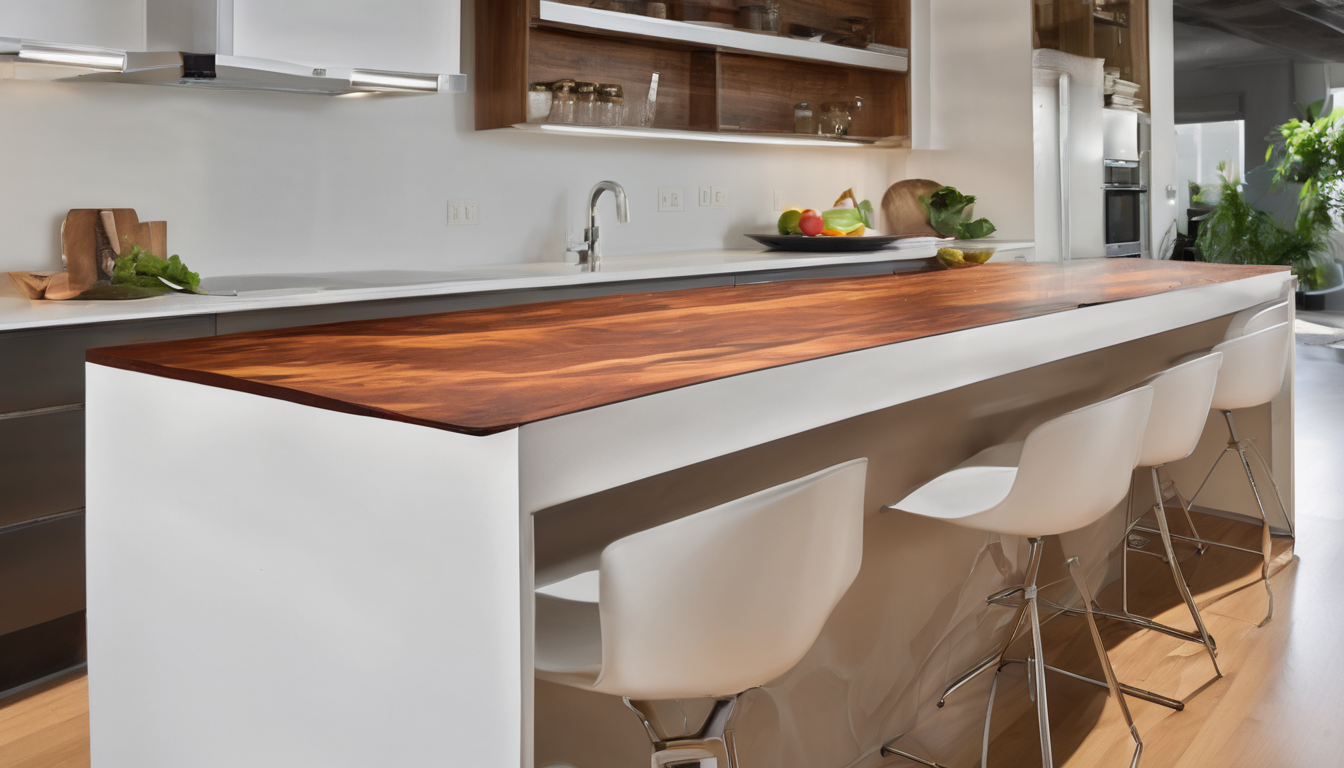

Wood veneer countertops offer a beautiful and cost-effective alternative to solid wood surfaces, bringing warmth and natural character to kitchens. However, in high-use kitchens, Maintaining and Repairing wood veneer countertops presents unique challenges due to their thin wood layer, which is more sensitive to wear, moisture, and impact than solid wood. Knowing the right care, repair methods, and preventive techniques is essential to prolonging the life and appearance of these countertops.
In this article, we will walk you through expert strategies for maintaining and repairing wood veneer countertops in high-use kitchens. From daily cleaning habits to tackling scratches and refinishing techniques, you will gain actionable steps to keep your veneer surfaces looking their best and lasting longer, even under heavy kitchen activity.
Understanding Maintaining and Repairing Wood Veneer Countertops in High-Use Kitchens
Wood veneer countertops consist of a thin layer (often around 1-3 mm) of real wood adhered to a substrate like plywood or MDF. Due to this slim layer, veneer is lighter and more affordable than solid wood but requires more delicate care, especially in kitchens with frequent, heavy use.
This sensitivity means everyday impacts, moisture exposure, and heat can cause scratches, swelling, peeling, or discoloration if not properly maintained. Unlike solid wood, veneer cannot be sanded down extensively without risking damage to the entire layer, so repairs often focus on surface-level treatments.
Maintaining and repairing wood veneer countertops in high-use kitchens demands careful cleaning, prompt attention to spills, and protective finishing to prevent moisture infiltration and surface wear.
Daily Maintenance for Wood Veneer Countertops in High-Use Kitchens
Effective daily maintenance is the foundation of preserving wood veneer countertops. Follow these key habits:
- Clean spills immediately: Acidic liquids like wine, vinegar, and citrus can quickly stain veneer if left unattended. Use a soft, damp cloth to wipe spills promptly.
- Use mild cleaning agents: Avoid harsh detergents or chemical cleaners that might degrade the finish. Warm water with a drop of mild dish soap is ideal.
- Dry thoroughly: Wood veneer dislikes excess moisture. After cleaning, always dry the surface completely to prevent swelling or warping.
- Minimize abrasive contact: Use soft cloths or sponges rather than scrub pads to preserve the veneer finish and avoid micro-scratches.
Maintaining a clean, dry, and gentle daily routine helps avoid damage and extends the time between more intrusive maintenance steps like refinishing.
Effective Cleaning Techniques to Protect Wood Veneer Countertops
Proper cleaning techniques enhance the longevity of wood veneer surfaces:
Step 1: Gentle dusting and wiping
Use a microfiber cloth to remove dust and crumbs daily. Light dusting prevents grime buildup that can dull veneer over time.
Step 2: Spot cleaning with mild detergent
For sticky residues or tougher stains, prepare warm water with a mild detergent. Dampen a soft cloth or sponge and gently clean the affected area, avoiding saturation.
Step 3: Avoid harsh chemicals
Steer clear of bleach, ammonia, or abrasive cleaning agents. These can strip oils and finish layers, causing premature wear.
Step 4: Dry and ventilate
Always dry cleaned areas with a lint-free cloth and ensure good kitchen ventilation to keep wood veneer healthy.
Preventive Measures to Avoid Damage on Wood Veneer Countertops
Prevention is crucial when maintaining and repairing wood veneer countertops in high-use kitchens. Implement these measures:
- Use cutting boards: Always cut and chop on protective boards rather than directly on the veneer, preventing knife marks and deep scratches.
- Protect from heat: Avoid placing hot pots, pans, or appliances directly on the veneer. Use trivets or heat pads to prevent heat discoloration and cracking.
- Control moisture exposure: Avoid standing water, especially near sinks and dishwashers. Use drip trays or waterproof mats if necessary to limit moisture contact.
- Limit UV exposure: Prolonged sunlight can fade veneer finishes. Use window coverings or position countertops away from direct sunlight when possible.
Step-by-Step Repair Process for Damaged Wood Veneer Countertops
Occasional repair is inevitable in high-use kitchens. Here are detailed steps for typical veneer damage repair:
1. Assess the Damage
Identify the type of damage: surface scratches, minor stains, peeling veneer, or gouges. Light surface scratches and stains can often be treated without heavy intervention. Peeling or deep damage may require patching.
2. Clean the Area
Before repairs, clean the affected area with a mild detergent and let it dry completely.
3. Light Sanding for Scratches and Stains
Using fine grit sandpaper (320-400 grit), gently sand along the grain to remove superficial scratches or stains. Be cautious to prevent sanding through the veneer layer. Wipe away dust with a dry cloth.
4. Re-Oiling or Applying Finish
After sanding, apply a suitable wood oil or finish designed for veneer surfaces (e.g., tung oil or specialized veneer oil). Use a soft cloth to apply thin, even coats. Allow time to soak in, then wipe off excess to avoid a sticky build-up.
5. Fixing Peeling Veneer
If veneer edges are lifting, apply a high-quality wood glue under the loose area using a thin applicator or toothpick. Press the veneer flat and clamp or weigh down until dry, typically 24 hours.
6. Filling Gouges and Chips
For deeper gouges, use a wood filler or color-matched epoxy putty designed for veneer repairs. After it dries, lightly sand and reapply finish to blend repairs.
7. Refinishing Large Areas
If damage is widespread, a partial or full refinishing may be necessary. This includes thorough cleaning, light sanding, and reapplying appropriate finish but must be done carefully to avoid sanding through the veneer.
Sealing and Finishing to Maintain Wood Veneer Surfaces
Proper sealing and finishing are key to long-term durability in maintaining and repairing wood veneer countertops in high-use kitchens. The recommended process includes:
- Initial Finish: Most wood veneer countertops come factory-prefinished with an oil or wax-based sealant that enhances moisture resistance and appearance.
- Periodic Oil Application: To maintain protection, apply specialized wood oils (e.g., TRIXIG wood oil) once or twice yearly, especially on high-use zones like around sinks and cooktops.
- Avoid Polyurethane Coatings: Unlike solid wood, polyurethane finishes are not ideal for veneer as they complicate repairs and can trap moisture under scratches.
- Strip and Refinish When Needed: If the finish wears unevenly, lightly sand and reapply oils or wax finishes to rejuvenate the surface without losing veneer integrity.
Expert Tips for Long-Lasting Maintenance and Repair
- Spot Maintenance Saves Time: Regularly spot oiling and sanding can extend intervals between major repairs.
- Always Work With Grain: Whether sanding or applying finish, follow the wood grain to avoid damage and maintain appearance.
- Keep Tools Handy: Have fine grit sandpaper, wood glue, matching filler, and oil on hand for quick fixes.
- Climate Matters: Keep kitchen humidity stable to reduce wood movement; use dehumidifiers or exhaust fans if needed.
- Consult Professionals: For extensive damage or uncertainty, consult a wood restoration specialist to avoid costly errors.
Conclusion: Maintaining and Repairing Wood Veneer Countertops in High-Use Kitchens
Maintaining and repairing wood veneer countertops in high-use kitchens requires dedicated care tailored to the delicate veneer layer. By implementing diligent daily cleaning, preventive measures, and timely repairs like gentle sanding and re-oiling, you can preserve the natural beauty and function of your countertops for years. Remember that avoiding harsh chemicals, protecting against moisture and heat, and addressing damage early are crucial. For complex repairs, seeking professional advice ensures veneer integrity remains intact and your kitchen surfaces retain their warmth and elegance.
This step-by-step approach offers a realistic and effective maintenance plan for anyone looking to enjoy wood veneer countertops without sacrificing durability in the busiest kitchens.
