

<h2 id="introduction-to-resin-pour-techniques”>Introduction to Resin Pour Techniques
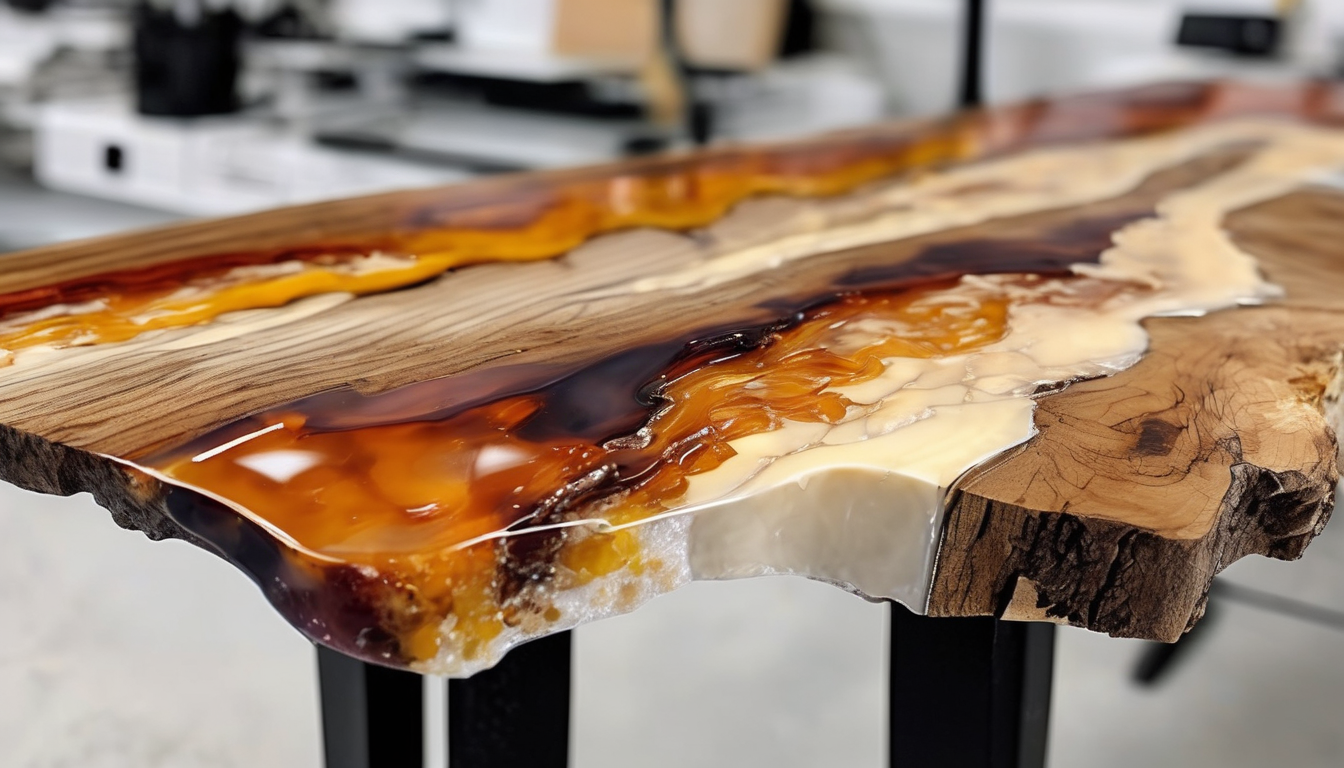
Creating a beautiful Live Edge design with resin requires more than just pouring the material into place. It demands precision, creativity, and a deep understanding of both the wood grain and the properties of epoxy resin. In this article, we will delve into 10 essential techniques that ensure your resin pour on live edge designs not only looks perfect but lasts for years to come.
Understanding Resin Pour Techniques for Flawless Live Edge Designs
Resin pour techniques are the cornerstone of achieving a flawless finish on live edge designs. The key is to understand how different methods can address various challenges, from filling gaps and cracks to enhancing natural wood grain patterns. By mastering these techniques, you will be able to turn even flawed or damaged timber into stunning pieces that showcase the beauty of nature.
Table of Contents
Resin Pour Techniques For Flawless Live Edge Designs: Preparing the Timber Slab
Before pouring resin, it’s crucial to prepare your timber slab properly. Start by cleaning the surface thoroughly to remove any dust or debris that could affect adhesion. Use a degreaser if there are oils from machining or handling. Sanding may also be necessary to smooth out rough areas and ensure an even application of resin. The preparation phase sets the stage for a successful pour.
Resin Pour Techniques For Flawless Live Edge Designs – Choosing the Right Resin Type
Selecting the right type of epoxy resin is critical for achieving your desired results. Clear resins are ideal for showcasing natural wood grains while tinted or pigmented resins can add vibrant colours and unique effects like metallic finishes or glow-in-the-dark features. Consider the aesthetic you want to achieve, the structural requirements of your project, and how the resin will interact with the timber’s moisture content.
Pouring Techniques for Filling Gaps and Cracks
Filling gaps and cracks is one of the most common applications of epoxy resins in live edge design. Use a combination of pour techniques such as gravity pouring, trowel application, and squeegee scraping to ensure even coverage without air bubbles or voids. Pay attention to how you pour around edges to maintain structural integrity while still achieving a seamless look.
Surface Treatment Methods to Enhance Grain Patterns
Enhancing the natural beauty of wood grain patterns can make your live edge design stand out. Techniques such as colour matching, adding pigments or metallic effects, and using different resin pour depths create visual depth and interest. Be mindful not to overpower the wood’s inherent character; instead, aim for a complementary enhancement.
Curing Strategies for Optimal Results
Proper curing is essential for achieving strong adhesion between resin and timber, as well as preventing issues like cracking or delamination. Use heat lamps or a warm room to accelerate the process if time constraints allow. Be patient during the full curing period to ensure the best possible result.
Expert Tips on Resin Pour Techniques
Here are some expert tips to elevate your resin pour techniques:
- Always wear protective gear, including gloves and goggles.
- Mix small batches of resin at a time to maintain consistency.
- Work in a dust-free environment to avoid contamination.
- Use release agents on moulds if needed for easy demoulding.
- Experiment with different pouring techniques and additives like glitter or mica powders.
FAQ About Resin Pouring Live Edge Designs
| Question | Answer |
|---|---|
| How do I prevent air bubbles in my resin pour? | To minimise air bubbles, mix the resin slowly and pour it gradually into a thinner layer to allow entrained air to escape. |
| Can I use pigments with clear resins for colour effects? | Absolutely! Adding small amounts of pigment can give you subtle pastel tones or vibrant hues depending on your preference. |
| What’s the best way to remove air bubbles after pouring resin? | The best approach is to use a heat gun or hair dryer on low setting to pop any remaining bubbles before they settle into the surface. |
Conclusion on Flawless Live-Edge Resin Pours
Mastering resin pour techniques for live edge designs is a skill that combines artistry with technical precision. By carefully selecting the right materials, preparing your timber slab meticulously, and employing effective pouring methods tailored to each project’s needs, you can create truly stunning pieces of furniture or decor that blend form and function beautifully.
