
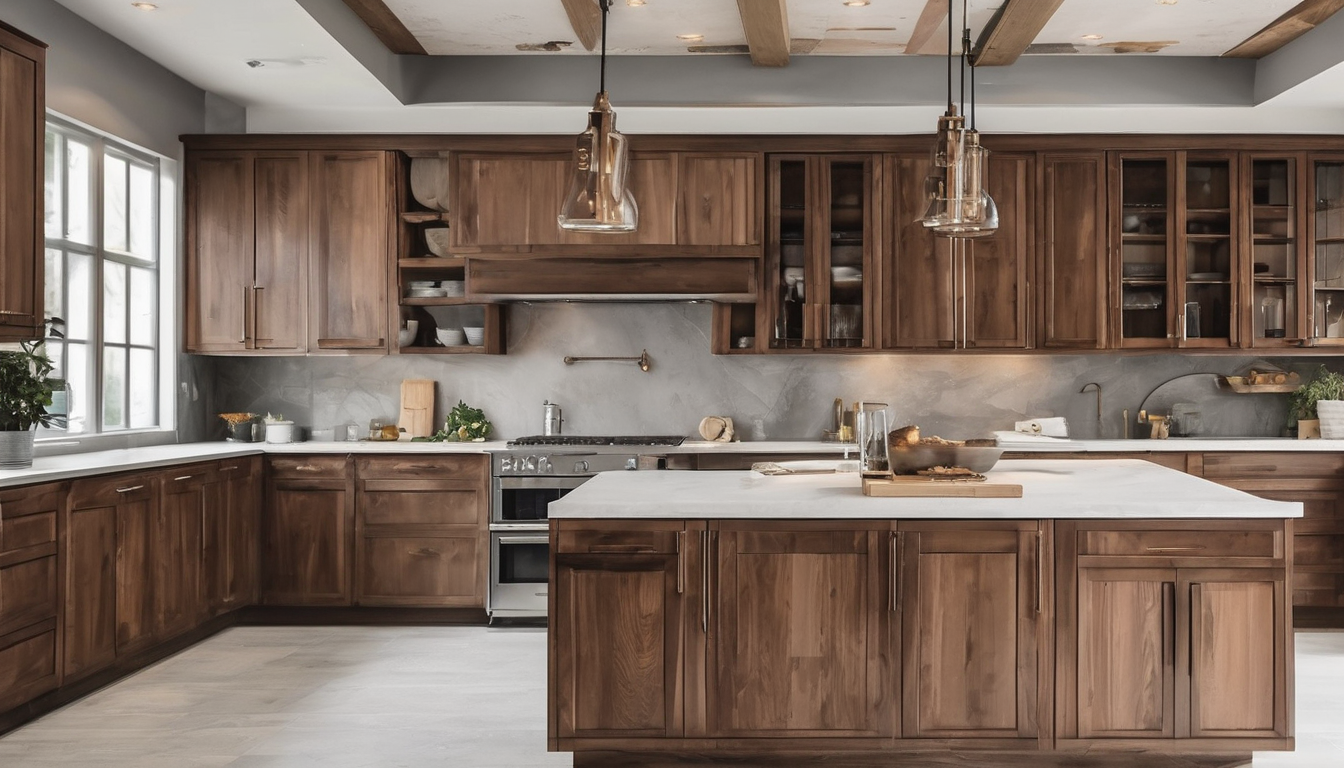

When planning a kitchen renovation across Bristol, Somerset, Gloucestershire, or anywhere in the South West, one of the most critical decisions you’ll face is selecting the right wood for your cabinetry. Kitchen cabinets represent a significant investment—both financially and in terms of the aesthetic impact they have on your entire home. Understanding What type of wood is best for building kitchen cabinets requires balancing durability, cost, appearance, and how the material aligns with your home’s character and your lifestyle.
As a carpenter who has designed and installed hundreds of bespoke kitchen cabinets across the region, I’ve learned that there’s no universally “best” wood—only the best choice for your specific circumstances. The wood you select will determine not only how your kitchen looks today, but how it performs over decades of daily use, from morning coffee spills to the wear and tear of family life. This relates directly to What Type Of Wood Is Best For Building Kitchen Cabinets.
This comprehensive guide walks you through the leading wood species used in quality kitchen cabinet construction, exploring their unique characteristics, durability profiles, price points, and aesthetic qualities. By the end, you’ll have a clear understanding of what type of wood is best for building kitchen cabinets that match your vision and requirements.
What Type Of Wood Is Best For Building Kitchen Cabinets – Understanding Wood Selection for Kitchen Cabinets
The question of what type of wood is best for building kitchen cabinets cannot be answered with a single name. Instead, the answer depends on several interconnected factors that make each wood species more or less suitable for different situations. Kitchen cabinets face unique demands: they must withstand moisture from cooking and cleaning, resist daily impacts and scratches, accommodate heavy loads, and maintain their aesthetic appeal through years of use.
Wood species used in cabinetry fall into two main categories: hardwoods and softwoods. Hardwoods, despite their name, refer to wood from deciduous trees (like oak, maple, and walnut) and generally offer superior durability and longevity compared to softwoods. Softwoods come from coniferous trees and tend to be less dense and more prone to denting. Within these categories, individual species vary dramatically in their working properties, grain characteristics, colour stability, and price.
Hardwoods vs. Softwoods for Kitchen Use
When considering what type of wood is best for building kitchen cabinets, hardwoods consistently outperform softwoods. Hardwoods are denser, more resistant to dents and scratches, and generally hold up better to the moisture and temperature fluctuations that occur in kitchens. They also accept stains and finishes more predictably and develop richer patinas over time.
Softwoods like pine and alder can work in specific applications—particularly in farmhouse or rustic aesthetics—but they require more careful finishing and maintenance to perform adequately in a kitchen environment. For most homeowners seeking long-lasting cabinets that will remain in excellent condition for 15-20 years or more, hardwoods represent the superior choice.
What Type Of Wood Is Best For Building Kitchen Cabinets – Maple: The Versatile Hardwood Choice
Maple stands as one of the most popular choices when determining what type of wood is best for building kitchen cabinets, and for good reason. This Canadian hardwood offers exceptional versatility, durability, and aesthetic appeal that works across traditional, modern, and transitional kitchen designs.
Characteristics and Appearance
Maple wood features a smooth, fine grain with subtle waves and curls running through it. The colour palette is predominantly pale cream to off-white, with occasional reddish-brown undertones that warm the wood’s overall appearance. This neutral base makes maple exceptionally adaptable—it takes paint beautifully for those wanting contemporary cabinet doors, yet also stains wonderfully for a more traditional aesthetic.
The wood’s fine, uniform grain means maple cabinets maintain a refined, elegant appearance regardless of whether you choose a natural finish or paint. This consistency makes it ideal for larger kitchen projects where visual harmony across multiple cabinet runs is essential.
Durability and Performance
What type of wood is best for building kitchen cabinets if durability is your primary concern? Maple ranks among the top choices. It is one of the hardest domestic hardwoods available, scoring approximately 1450 on the Janka hardness scale. This exceptional hardness means maple cabinets resist dents, scratches, and impact damage far better than softer woods.
Maple’s density also contributes to its stability—it resists warping and movement in response to kitchen humidity and temperature fluctuations. This stability is particularly valuable in British kitchens where moisture from cooking and seasonal temperature changes are constant factors.
Cost Considerations
Premium quality comes with a price. Maple cabinets typically cost £3,500-£8,000 or more for a complete kitchen, depending on complexity and customisation. However, the investment pays dividends through decades of reliable performance. The wood’s popularity means it remains readily available throughout Bristol, Somerset, and surrounding areas, preventing supply complications that might drive costs higher.
<h2 id="oak-classic-durable-option”>Oak: The Classic, Durable Option
Oak represents the traditional choice when homeowners ask what type of wood is best for building kitchen cabinets. Both red oak and white oak have been used in British kitchens for generations, and for good reason: they’re durable, affordable, and full of character.
Red Oak vs. White Oak
Red oak features an open grain structure with bold, pronounced grain patterns and a slightly warmer, reddish hue. The wood is softer and more porous than white oak, making it slightly less durable, though still respectable for kitchen use. Red oak typically costs £2,000-£4,500 for a complete kitchen, making it genuinely budget-conscious. When considering What Type Of Wood Is Best For Building Kitchen Cabinets, this becomes clear.
White oak is denser, with a smoother surface, lighter colour with subtle pink and purple undertones, and superior durability. The trending rift-cut white oak variety features grain patterns that are less prominent but more refined. White oak cabinets typically run £2,500-£5,500, positioning them as a middle-ground option between budget and premium choices.
Character and Aesthetic Impact
What type of wood is best for building kitchen cabinets in period properties across Bristol’s Victorian terraced streets? Oak is often the answer. The wood’s distinctive grain pattern adds texture and visual interest that complements traditional home architecture beautifully. White oak especially has gained popularity in modern and minimalist designs, proving its aesthetic flexibility.
Oak accepts stain readily, allowing customisation across multiple colour tones. However, the pronounced grain pattern means oak works less successfully in sleek, minimalist designs where you want visual calm rather than textured character.
Practical Considerations
Oak’s open-grain structure means it requires careful sealing to resist water damage from spills and splashing. Unlike maple’s closed grain, oak’s porous nature means liquids can penetrate more easily if finishes are compromised. In high-moisture kitchens, this characteristic demands careful maintenance and prompt attention to spills.
The wood’s prominence means oak cabinets can feel visually heavy in smaller kitchens. In compact galley kitchens common to Georgian properties in Cheltenham or Gloucester, the bold grain might overwhelm rather than enhance the space.
Cherry: Elegant and Traditional
Cherry wood offers a sophisticated aesthetic that answers the question of what type of wood is best for building kitchen cabinets when elegance and timeless appeal matter most. This premium hardwood has been a favourite in high-end cabinetry for decades.
Distinctive Characteristics
Cherry presents one of the richest colour palettes among cabinet woods, ranging from warm medium reddish-brown to deeper mahogany tones. The wood features a fine, straight grain that produces a smooth, uniform surface. Unlike oak’s pronounced texture, cherry delivers quiet elegance—visual interest without drama. The importance of What Type Of Wood Is Best For Building Kitchen Cabinets is evident here.
What makes cherry particularly special is its unique aging process. Over time, cherry naturally deepens in colour, developing richer, warmer tones as it’s exposed to light. Cabinets installed today will look noticeably different—and many say more beautiful—in 10-15 years, telling the story of their use and aging.
Durability Profile
Cherry ranks among the most durable woods for kitchen cabinets, consistently cited alongside maple and walnut as a premium durability choice. It resists dents well and maintains its surface integrity through years of use. The wood’s density ensures stability and long-term performance in humid kitchen environments.
Investment and Cost
Cherry cabinets represent a significant investment, typically ranging from £4,000-£9,000 for a complete kitchen installation. However, discerning homeowners view this as an investment in timeless elegance and durability that will serve their home for 20+ years. The wood is less common than oak or maple, which can sometimes limit availability in smaller markets, though Bristol and larger regional centres maintain good supply chains.
Walnut: Sophisticated and Premium
When homeowners ask what type of wood is best for building kitchen cabinets and budget permits, walnut frequently emerges as the ultimate answer. This premium hardwood delivers unmatched sophistication and natural beauty.
Aesthetic Excellence
Walnut presents a stunning natural wood with colour ranging from light reddish-brown to deep, rich chocolate brown. The grain is typically straight and uniform, occasionally featuring subtle swirls that add visual interest without creating busy texture. The wood’s inherent colour and grain variations create natural uniqueness—no two walnut cabinets are identical.
Like cherry, walnut undergoes fascinating colour changes with age and light exposure. The darker tones naturally lighten over time, creating subtle shifts that many appreciate. This living quality means your walnut cabinets will subtly evolve throughout their lifespan.
Working Properties and Durability
Walnut is exceptionally easy to work with—it machines beautifully, accepts finishes evenly, and is straightforward to hand-finish with quality results. For bespoke kitchen cabinetry, these working properties enable craftspeople to create furniture-grade pieces with refined details and tight joinery. Understanding What Type Of Wood Is Best For Building Kitchen Cabinets helps with this aspect.
Durability-wise, walnut ranks among the top tier, with hardness comparable to cherry and superior to oak. It resists denting, maintains dimensional stability, and performs excellently in variable kitchen conditions. The wood’s oil content naturally resists moisture penetration better than many species.
Premium Pricing
What type of wood is best for building kitchen cabinets if budget is unlimited? Walnut’s premium status reflects in pricing: £5,000-£12,000 or more for complete kitchen installations. Walnut remains relatively scarce compared to oak or maple, which reflects in both availability and cost. However, for homeowners creating statement kitchens in heritage properties across Somerset or Gloucestershire, walnut’s unmatched elegance justifies the investment.
Hickory: Rustic and Farmhouse Appeal
Hickory offers a distinctive answer to what type of wood is best for building kitchen cabinets when rustic character, farmhouse aesthetic, and authentic natural appeal drive your decisions. This hardwood delivers dramatic visual interest at mid-range pricing.
Dramatic Colour and Grain Variation
Hickory’s most distinctive feature is its extraordinary colour variation. A single hickory board might contain pale creams, warm reddish-browns, rich chocolates, and even near-black streaking. This variation creates visual drama—cabinets constructed from hickory are never monochromatic or uniform.
The grain is pronounced and irregular, with knots and mineral streaks adding to the rustic character. This organic unpredictability is hickory’s strength in farmhouse and cottage kitchens, yet makes it unsuitable for modern minimalist designs seeking visual restraint.
Exceptional Hardness and Durability
Don’t let hickory’s humble, rustic appearance fool you—this is genuinely one of the hardest domestic woods available, scoring approximately 1820 on the Janka hardness scale. In practical terms, hickory is harder than oak, maple, and cherry. For busy family kitchens in Dorset or Wiltshire where durability matters most, hickory delivers exceptional resistance to dents, scratches, and impact damage.
Mid-Range Pricing and Value
Hickory cabinets typically cost £2,800-£5,500 for complete kitchen installations, positioning them as genuine value. You’re investing in one of the hardest, most durable woods while spending considerably less than cherry or walnut. For homeowners seeking longevity and durability without premium pricing, hickory represents excellent value. What Type Of Wood Is Best For Building Kitchen Cabinets factors into this consideration.
Birch: Budget-Friendly Alternative
When considering what type of wood is best for building kitchen cabinets on a tighter budget, birch emerges as an intelligent choice. This durable hardwood offers excellent value without excessive compromise on quality or longevity.
Characteristics and Versatility
Birch features a fine, consistent grain similar to maple, though slightly darker in tone. The wood’s uniform appearance makes it versatile—it accepts stains that mimic more expensive woods like cherry or maple, allowing cost-conscious homeowners to achieve premium aesthetics at moderate pricing.
The wood’s neutral tone and fine grain suit multiple design styles, from traditional to contemporary. However, birch can display slight colour inconsistencies between boards, which may affect visual uniformity in large cabinet runs. Quality craftspeople select boards carefully to minimize these variations.
Durability and Practical Performance
Birch is durable and damage-resistant, though slightly softer than maple or oak. It performs well in kitchens for 15-20 years with proper finishing and maintenance. The wood’s moderate hardness makes it prone to showing minute scratches more readily than harder species, particularly with high-gloss finishes.
Birch accepts finishes beautifully and takes stain evenly, allowing homeowners to customize appearance. The wood’s stability is respectable, resisting warping better than softer alternatives.
Budget Accessibility
Birch cabinets typically cost £1,800-£4,000 for complete kitchen installations, making them genuinely budget-friendly without venturing into engineered wood products. For homeowners in Plymouth, Bournemouth, or Exeter planning renovations with limited budgets, birch delivers respectable durability and aesthetics at accessible pricing.
Other Wood Species Worth Considering
Alder: Rustic Character
Alder, particularly rustic alder, offers a softer alternative with charming rustic appeal. It features light base colour with yellow to peach undertones and plentiful knots that create defined visual character. Alder works beautifully in cottage, farmhouse, and vintage-inspired kitchens. However, it’s softer than traditional hardwoods and requires careful finishing to achieve kitchen durability. Pricing typically runs £1,500-£3,500. This relates directly to What Type Of Wood Is Best For Building Kitchen Cabinets.
Bamboo: Modern Sustainable Option
Bamboo ranks among the hardest and most durable cabinet woods available, with hardness comparable to or exceeding maple. The material is technically a grass rather than wood, making it fast-growing and sustainable. Bamboo features consistent pale tone and fine grain, suiting modern aesthetic sensibilities. Costs run £2,500-£6,000 depending on processing and finish.
Poplar and Softwoods
Poplar is among the strongest softwoods and carries uniform, light colouring. It’s budget-friendly but softer than hardwood options. Poplar works primarily in painted finishes and suits contemporary designs. Pricing starts around £1,200-£2,500, but the wood’s softness means it requires careful use and maintenance in high-traffic kitchens.
Key Factors for Choosing What Type of Wood is Best for Building Kitchen Cabinets
Budget Considerations
Your budget fundamentally shapes what type of wood is best for building kitchen cabinets. Premium species like walnut and cherry require £4,000+ investment for complete kitchens, while birch and oak offer respectable quality from £2,000-£4,500. Softwoods and engineered alternatives start below £1,500 but sacrifice longevity and character.
Rather than viewing cost as mere expense, consider cost-per-year of service. A £7,000 walnut kitchen lasting 25 years costs £280 annually. A £2,000 budget option lasting 12 years costs £167 annually—but requires replacement sooner, disrupting your home and requiring additional renovation investment.
Durability Requirements
How hard your family uses your kitchen matters profoundly. Busy households with young children need maximum durability—maple, hickory, walnut, or cherry. Quieter households with lighter use can successfully use softer species like alder or birch. Consider your lifestyle honestly when evaluating durability requirements.
Aesthetic Vision
What type of wood is best for building kitchen cabinets must align with your home’s architectural character. Victorian Bristol properties benefit from cherry or walnut’s traditional elegance. Modern homes suit maple’s clean grain and light tones. Farmhouse aesthetics come alive with hickory or alder’s rustic character. Your wood choice should feel inevitable and authentic to your home’s design language.
Maintenance Willingness
Different woods demand different maintenance levels. Open-grain woods like oak require prompt spill attention to prevent water damage. Harder woods like maple show scratches more readily than softer woods with varied grain patterns. Consider honestly whether you’ll maintain your cabinets meticulously or prefer wood that forgives imperfect care. When considering What Type Of Wood Is Best For Building Kitchen Cabinets, this becomes clear.
Environmental Considerations
If sustainability matters, bamboo offers renewable appeal. For traditional hardwoods, source FSC-certified timber where possible. Local British-grown timbers reduce environmental impact compared to imported species, though selection remains more limited.
Regional Availability
Living in Bristol, Somerset, or surrounding regions affects wood availability. Traditional hardwoods like oak, maple, and cherry remain readily available through established supply chains. Exotic or uncommon species may require special ordering, increasing costs and timelines. Working with local craftspeople gives access to established suppliers and realistic pricing.
Expert Recommendations and Final Thoughts
My Professional Perspective
Over years of designing and building bespoke kitchen cabinetry across the South West, I’ve developed clear perspectives on what type of wood is best for building kitchen cabinets in different circumstances. For most homeowners seeking balance between quality, durability, and reasonable cost, white oak and maple represent excellent choices. Both offer proven durability, versatile aesthetics, and honest pricing.
For families planning to remain in their homes for 20+ years, the modest additional investment in cherry or walnut pays dividends through enhanced aesthetics and the satisfying knowledge that your cabinets represent genuine craftsmanship and durability. These woods improve with age in ways that budget options never will.
For rustic and farmhouse aesthetics, hickory delivers authentic character at mid-range pricing without compromise on durability. For budget-conscious projects, birch offers respectable performance without excessive compromise.
Quality Construction Matters More Than Wood Species
Importantly, what type of wood is best for building kitchen cabinets isn’t the only factor determining cabinet longevity and performance. Construction quality—joinery precision, finish application, hardware selection, and assembly methods—profoundly influences how well your cabinets age.
A cherry cabinet built with poor joinery and thin finish won’t outperform a birch cabinet constructed with precision joints, quality hardware, and careful finishing. Premium wood deserves premium construction to justify its cost. The importance of What Type Of Wood Is Best For Building Kitchen Cabinets is evident here.
Request Samples and Handle Real Wood
When making your final decision about what type of wood is best for building kitchen cabinets, don’t rely on photographs alone. Request actual wood samples in finishes you’re considering. Handle them, observe how light plays across the grain, and visualize them in your kitchen. Colour monitors and printed images cannot capture wood’s true character.
Work with Experienced Craftspeople
The relationship between wood selection and craftsmanship is inseparable. An experienced cabinet maker understands each wood species’ characteristics and how to work with them optimally. They’ll select boards thoughtfully, execute precise joinery, and apply finishes that enhance rather than mask the wood’s natural beauty.
Homeowners across Bristol, Somerset, Gloucestershire, and surrounding regions benefit enormously from working with established local craftspeople who maintain relationships with quality timber suppliers and possess deep understanding of timber behaviour in British climate conditions.
Final Perspective
Choosing what type of wood is best for building kitchen cabinets represents one of renovation’s most important decisions. The wood you select will be viewed and touched thousands of times over the coming years. It will witness family meals, morning coffee moments, and evening preparations. It deserves thoughtful consideration.
Ultimately, the best wood is the one that satisfies three criteria: it performs durably in your kitchen’s conditions, it expresses your aesthetic vision authentically, and it fits genuinely within your budget without causing regret. When these three factors align, you’ll have made the right choice—regardless of which specific species that involves.
Your kitchen cabinets can be among your home’s most rewarding investments, delivering satisfaction daily for decades. By understanding what type of wood is best for building kitchen cabinets and making informed decisions aligned with your circumstances, you’ll create a kitchen that functions beautifully, performs reliably, and brings genuine joy to everyday life.
