
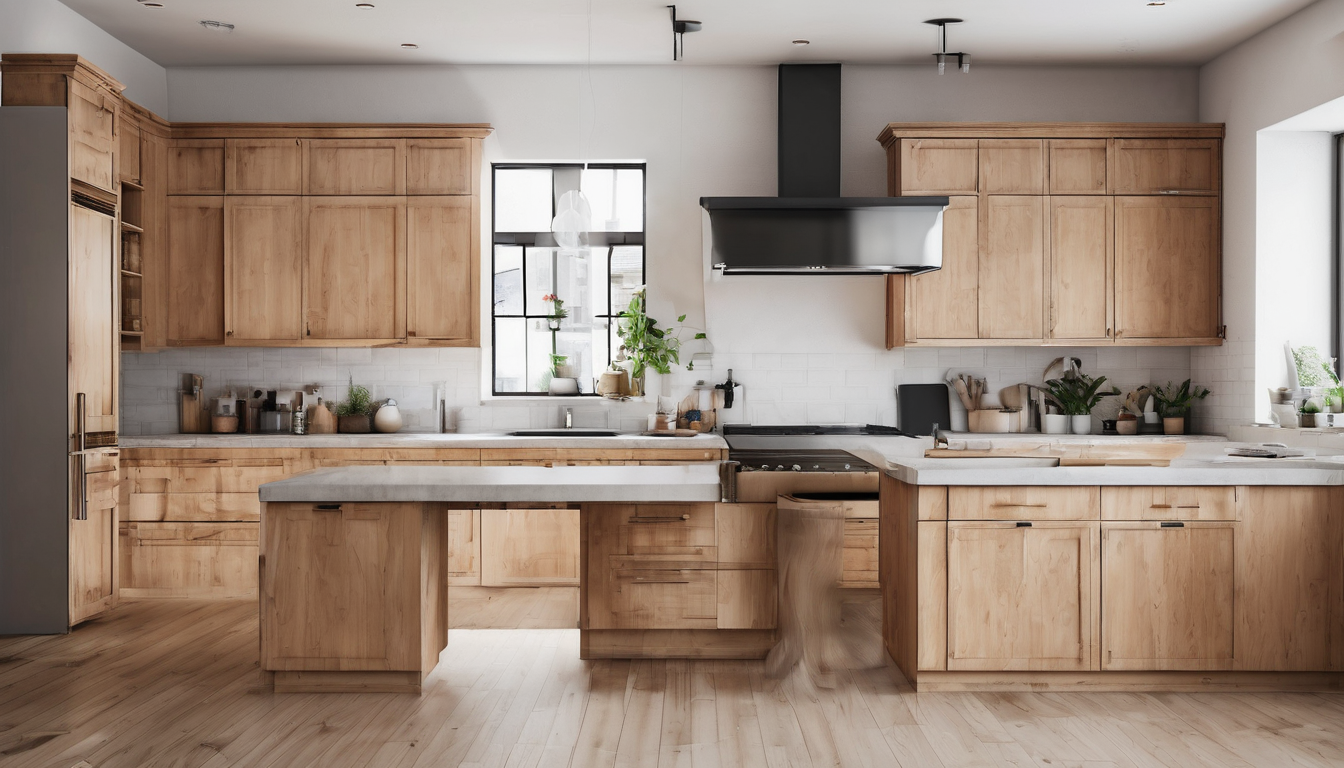

Understanding Plywood vs Solid Wood: Which Is Better For Kitchen Cabinet Construction is essential. If you’re planning a kitchen renovation across Bristol, Somerset, Gloucestershire or the wider Southwest, one of the most important decisions you’ll face is choosing between plywood and solid wood for your cabinet construction. This choice affects not only the initial cost but also how your cabinets perform over decades in Britain’s often-damp climate. After years of crafting bespoke cabinetry for period homes and modern properties alike, I’ve seen firsthand how the right material choice can transform a kitchen from a maintenance headache into a genuine investment.
The debate between plywood vs solid wood for kitchen cabinet construction isn’t simply about aesthetics—it’s about understanding how each material behaves under real-world conditions, from the moisture-laden air of coastal Dorset to the temperature fluctuations of Cotswolds properties. Both materials have genuine merits, and the best choice depends entirely on your specific needs, budget and the demands your kitchen will face. This relates directly to Plywood Vs Solid Wood: Which Is Better For Kitchen Cabinet Construction.
Plywood Vs Solid Wood: Which Is Better For Kitchen Cabinet Construction – Understanding Structural Stability in Plywood vs Solid Wood
When comparing plywood vs solid wood for kitchen cabinet construction, structural stability is perhaps the most fundamental consideration. The way these materials handle movement over time will determine whether your cabinet doors close smoothly after a decade or start sticking and warping. When considering Plywood Vs Solid Wood: Which Is Better For Kitchen Cabinet Construction, this becomes clear.
Solid wood is a natural material milled directly from trees, which means it retains the wood’s inherent properties—including its tendency to move. As temperature and humidity fluctuate throughout seasons, solid wood expands and contracts. In Bristol’s mild but damp winters and summers, this movement is constant. The wood grain runs in one direction, which means stress concentrates along the grain path, making solid wood susceptible to warping, cupping, and twisting over time.
Plywood, by contrast, is manufactured using layers of thin wood veneer with the grain deliberately running in perpendicular directions to the adjacent layers. Think of it like the grain threads all supporting one another from multiple directions—this cross-grain construction creates remarkable stability. The layered design significantly reduces the risk of expansion, contraction, warping and cracking compared to solid wood. The importance of Plywood Vs Solid Wood: Which Is Better For Kitchen Cabinet Construction is evident here.
This structural difference is crucial when building plywood vs solid wood kitchen cabinets. Plywood cabinet boxes maintain their square geometry year after year, whilst solid wood boxes may develop slight twists or changes in dimension. For cabinet doors, drawers and shelving systems, this consistency matters enormously when you want mechanisms to operate smoothly for years.
Plywood Vs Solid Wood: Which Is Better For Kitchen Cabinet Construction – Moisture Resistance: Critical for UK Kitchens
Here in the Southwest, from coastal Cornwall to the Cotswolds, moisture is a genuine concern for kitchen cabinetry. The damp British climate means your cabinets face constant exposure to humidity, steam from cooking, and potential water splashes near sinks. Moisture resistance becomes a critical factor when deciding between plywood vs solid wood for kitchen cabinet construction. Understanding Plywood Vs Solid Wood: Which Is Better For Kitchen Cabinet Construction helps with this aspect.
Solid wood is porous by nature. Its cellular structure readily absorbs moisture from the air and standing water alike. Once wood absorbs moisture, it swells. As it dries, it shrinks. This cyclical movement causes the wood to swell and shrink unevenly, leading to bending, warping, splitting and eventually cracking. I’ve repaired countless solid wood cabinets in older Bristol properties where moisture damage has compromised structural integrity—sometimes irreparably.
Plywood resists moisture far more effectively. The manufacturing process bonds the veneer layers with adhesive, and when properly sealed, plywood forms a barrier against moisture penetration. The cross-grain construction also means moisture absorption is more uniform across the panel, reducing the uneven swelling that causes warping. When you apply a quality sealant to plywood cabinet edges and surfaces, moisture resistance improves dramatically. Plywood Vs Solid Wood: Which Is Better For Kitchen Cabinet Construction factors into this consideration.
For kitchens in areas with higher humidity—coastal regions like Bournemouth, Exeter and Plymouth, or older properties with damp issues—plywood offers genuine practical advantages over solid wood. Even the best-sealed solid wood cabinets will eventually succumb to moisture-related issues in genuinely damp conditions, whilst properly treated plywood can perform reliably for decades.
Plywood Vs Solid Wood: Which Is Better For Kitchen Cabinet Construction – Durability and Longevity Comparison
Both plywood and solid wood can be durable materials when properly constructed and maintained. The question of durability when comparing plywood vs solid wood for kitchen cabinet construction depends partly on your usage patterns and partly on how well you maintain the cabinets. This relates directly to Plywood Vs Solid Wood: Which Is Better For Kitchen Cabinet Construction.
Solid Wood Durability Factors
Solid wood cabinets, when crafted by skilled makers and properly finished, can last indefinitely. Historic homes across the Southwest contain original solid wood cabinetry that has survived over a century. These pieces endure because they were built with quality timber, excellent joinery, regular maintenance and periodic refinishing. The natural beauty of wood can mask its wear gracefully.
However, solid wood requires more maintenance. You’ll need to periodically refinish the surfaces, re-seal any exposed grain, and address any moisture damage promptly before it spreads. Repair work on solid wood cabinets—if structural issues develop—requires skilled carpentry work that can become expensive. When considering Plywood Vs Solid Wood: Which Is Better For Kitchen Cabinet Construction, this becomes clear.
Plywood Durability Factors
Plywood cabinets offer exceptional durability with less maintenance. The consistent strength throughout the panel means plywood resists the common issues that plague solid wood. Cabinet joints remain tight, screw holes hold their strength indefinitely, and the overall box structure rarely develops twists or distortions.
When properly constructed with quality plywood and good joinery, plywood cabinets easily outlast decades of daily use. Commercial kitchens, restaurants and institutional settings overwhelmingly choose plywood for this reason—it withstands continuous heavy use without developing the problems that would plague solid wood in the same environment. For a family kitchen, this translates to cabinetry that simply works reliably without requiring frequent attention. The importance of Plywood Vs Solid Wood: Which Is Better For Kitchen Cabinet Construction is evident here.
Aesthetic Qualities and Appearance
If durability and function tell only part of the story, aesthetics complete it. The choice between plywood vs solid wood for kitchen cabinet construction also reflects your style preferences and the character you want your kitchen to project.
Solid Wood Aesthetics
Solid wood possesses undeniable visual appeal. Each timber species offers a distinct grain pattern, colour and character. Oak, walnut, cherry, maple and mahogany each tell their own story through natural variation in grain direction, density and colour. For traditional and period homes across Bristol, Gloucestershire and Somerset, solid wood cabinets feel authentic and period-appropriate. The warmth and complexity of natural wood grain creates a kitchen that feels handcrafted and established. Understanding Plywood Vs Solid Wood: Which Is Better For Kitchen Cabinet Construction helps with this aspect.
This aesthetic comes with a caveat: solid wood’s natural variation means no two pieces look identical. Some homeowners adore this uniqueness; others find it inconsistent. Premium hardwoods like cherry and mahogany command higher prices precisely because their appearance is so prized for high-end, bespoke cabinetry.
Plywood Aesthetics
Plywood cabinets can be visually excellent when properly finished. A high-quality veneer applied to plywood can look virtually identical to solid wood, offering the grain pattern and natural beauty of real timber without the movement issues. Modern plywood finishes can be engineered to specific thicknesses and strengths, offering remarkable customisation opportunities. Plywood Vs Solid Wood: Which Is Better For Kitchen Cabinet Construction factors into this consideration.
The exposed edges of plywood can look less refined than solid wood edges unless finished carefully. However, skilled cabinetry hides plywood edges with iron-on edge banding, solid wood lipping or routed details that make the edges disappear. Contemporary kitchens often benefit from plywood’s more uniform, controlled appearance—it suits modern minimalist design language perfectly.
Plywood also allows for wider cabinet panels without the risk of the cupping that can affect wide solid wood boards. This flexibility enables creative designs that might be risky with solid wood alone. This relates directly to Plywood Vs Solid Wood: Which Is Better For Kitchen Cabinet Construction.
Cost Analysis: Budget Considerations
Cost represents a significant practical consideration when choosing between plywood vs solid wood for kitchen cabinet construction. For most households planning a renovation, budget constrains choices considerably.
Plywood offers genuine cost advantages without sacrificing quality. The manufacturing process of plywood uses raw materials efficiently, generating less waste than milling solid wood lumber. Quality plywood cabinets cost significantly less than solid wood equivalents—typically 30-50% less depending on timber selection and finish specification. For a complete kitchen transformation across 15-20 linear metres of cabinetry, choosing plywood instead of solid wood can save £2,000-£5,000 or more. When considering Plywood Vs Solid Wood: Which Is Better For Kitchen Cabinet Construction, this becomes clear.
Solid wood cabinets command premium pricing. Beyond the raw material cost (which is substantially higher for quality hardwoods), skilled craftspeople spend additional time constructing and finishing solid wood work. Bespoke solid wood cabinetry can easily cost £3,000-£8,000+ per linear metre depending on wood species and detail level. For properties where budget is a limiting factor, solid wood becomes a luxury rather than a practical choice.
It’s worth considering the cost of maintenance and repair as well. Solid wood cabinets may require refinishing every 10-15 years, involving costs for materials and labour. Plywood cabinets, once sealed properly, generally require only regular cleaning and occasional touch-ups—no major refinishing projects needed. The importance of Plywood Vs Solid Wood: Which Is Better For Kitchen Cabinet Construction is evident here.
Installation Requirements and Practical Considerations
The way plywood vs solid wood for kitchen cabinet construction affects installation should influence your decision if you’re working with a specific carpenter or handling the project yourself.
Weight and Support Requirements
Solid wood is significantly heavier than plywood. A kitchen island base built from solid wood with a stone countertop creates substantial load that requires robust wall framing and solid structural support. Installation of heavy upper cabinets in solid wood often requires specialist equipment like cabinet jack lifts to safely position and secure the weight. Understanding Plywood Vs Solid Wood: Which Is Better For Kitchen Cabinet Construction helps with this aspect.
Plywood’s lighter weight simplifies installation considerably. Upper cabinets can be positioned by two people without specialised equipment. For properties with older walls—particularly the plaster-covered walls common in Victorian terraced homes throughout Bristol—plywood’s reduced weight means less stress on potentially compromised wall structures.
Fastening and Joinery
Plywood accepts screws exceptionally well due to its cross-grain construction. Screws hold their grip indefinitely in plywood, creating super-strong cabinet assemblies. Solid wood, whilst accepting screws, can eventually develop loose screw holes if wood movement occurs—the hole may enlarge or the surrounding wood may crack. Plywood Vs Solid Wood: Which Is Better For Kitchen Cabinet Construction factors into this consideration.
For traditional mortise-and-tenon joinery, solid wood remains superior. This joinery method relies on wood movement compatibility and benefits from the material’s natural properties. For modern cabinet construction using pocket-hole joinery, dowels, and face-frame assembly, plywood’s consistent performance gives superior results.
Best Applications for Each Material
Understanding when to choose plywood vs solid wood for kitchen cabinet construction depends on matching material properties to your specific situation. This relates directly to Plywood Vs Solid Wood: Which Is Better For Kitchen Cabinet Construction.
Choose Solid Wood When:
Building premium, bespoke cabinetry where the natural beauty of timber is the design focal point. High-end kitchens in period properties often justify solid wood’s cost through aesthetic excellence and heirloom quality. Creating decorative showpiece pieces like open shelving, display cabinets or feature walls where visual impact is paramount. Crafting smaller projects where the cost premium of solid wood is manageable. A small dresser, coffee table or accent cabinet can justify solid wood where a full kitchen cannot.
Building for completely climate-controlled environments where temperature and humidity remain stable year-round. Restoring or extending period homes where matching original cabinetry demands authentic solid wood. Creating custom furniture-grade pieces where the prestige and beauty of natural wood are central to the design intention. When considering Plywood Vs Solid Wood: Which Is Better For Kitchen Cabinet Construction, this becomes clear.
Choose Plywood When:
Building full kitchen installations where cost-effectiveness matters and you want cabinets that function reliably for decades. Working in moisture-prone environments like kitchens in humid regions, coastal areas or older damp properties. Creating large-scale projects where material costs multiply and plywood’s savings become significant. Installing upper cabinets in older properties where weight reduction protects potentially weak wall structures.
Building for families with children where low-maintenance durability matters more than aesthetic prestige. Creating modern kitchen designs where the clean, uniform appearance of plywood suits contemporary aesthetics. Maximising storage and design flexibility with wide shelves and structural approaches that work better with plywood’s properties. The importance of Plywood Vs Solid Wood: Which Is Better For Kitchen Cabinet Construction is evident here.
The Verdict: Which Material Wins?
After examining every aspect of plywood vs solid wood for kitchen cabinet construction, the honest answer is that neither material universally “wins.” The right choice depends on your priorities, budget and circumstances.
Plywood Emerges as the Practical Choice for Most Kitchens
For the vast majority of homeowners in Bristol, Somerset, Gloucestershire, and across the Southwest, plywood offers the superior practical choice. Here’s why: plywood provides excellent durability and stability with superior moisture resistance—critical advantages in Britain’s damp climate. The cost savings allow investment in quality finishes, hardware and design details that elevate the finished kitchen. Installation is straightforward, affecting timeline and labour costs positively. Maintenance is minimal, meaning your cabinets work reliably without demanding ongoing attention. Understanding Plywood Vs Solid Wood: Which Is Better For Kitchen Cabinet Construction helps with this aspect.
With proper finishing and quality veneer, plywood cabinets look beautiful and feel premium. Modern design preferences increasingly favour the clean aesthetic that plywood delivers. For a family kitchen that will be heavily used daily for 15-20 years, plywood built to quality standards outperforms solid wood in nearly every practical measure.
Solid Wood Remains the Choice for Premium Bespoke Work
Solid wood retains a genuine place in high-end, bespoke kitchen projects where aesthetic perfection and heirloom longevity justify the investment. If you’re commissioning a completely custom kitchen for a period property where authenticity matters, or creating showpiece cabinetry as the design centrepiece of a luxury renovation, solid wood delivers unmatched beauty and prestige. Plywood Vs Solid Wood: Which Is Better For Kitchen Cabinet Construction factors into this consideration.
Solid wood also remains the choice for small, special projects—a feature dresser, open shelving display, or custom island detail where the cost premium of solid wood becomes manageable within the overall budget.
The Hybrid Approach
Many skilled cabinetmakers, myself included, embrace a hybrid approach to plywood vs solid wood for kitchen cabinet construction. Build the structural cabinet boxes from quality plywood for maximum stability, moisture resistance and cost-effectiveness. Use solid wood for visible framing, mouldings, worktop edges and decorative elements. Apply premium veneer to plywood panels for visual richness. This approach delivers the practical advantages of plywood with visual characteristics approaching solid wood—often at a price point between the two pure options. This relates directly to Plywood Vs Solid Wood: Which Is Better For Kitchen Cabinet Construction.
Final Considerations for Southwest Properties
Given the climate across Bristol, Cornwall, Dorset, Gloucestershire and Somerset—generally damp, with temperature fluctuations and coastal moisture in many areas—plywood’s moisture resistance provides genuine practical advantage. Period properties with older wall structures benefit from plywood’s lighter weight. Families planning to stay in their homes for decades benefit from plywood’s low-maintenance durability.
The choice between plywood vs solid wood for kitchen cabinet construction ultimately reflects your priorities. If longevity with minimal fuss is your goal, plywood wins. If aesthetic prestige and heirloom quality matter most, solid wood justifies its cost. For most kitchens, most budgets, and most circumstances across the Southwest, quality plywood construction represents the smartest choice.
Expert Tips for Your Kitchen Cabinet Project
Specify quality standards regardless of material choice. Premium plywood vastly outperforms budget plywood. Similarly, solid wood construction quality varies enormously. Don’t let material choice overshadow quality specification.
Invest in proper finishing. The finish protects the material underneath whilst delivering visual appeal. Quality sealants, paint and varnish work applied properly transform both plywood and solid wood into beautiful, durable surfaces.
Prioritise moisture management. Regardless of material, ensure proper ventilation, manage splashes near sinks, and maintain humidity levels in your kitchen around 40-60%. Proper site management prevents moisture problems regardless of cabinet material.
Work with experienced cabinetmakers. The quality of workmanship—joinery, finishing, installation—matters as much as material choice. A skilled maker creating plywood cabinets will consistently outperform a careless maker using solid wood.
Consider your climate and location. Coastal properties or older damp homes should heavily weight plywood’s moisture advantages. Climate-controlled modern homes have more flexibility between the two options.
When planning your kitchen renovation, the comparison between plywood vs solid wood for kitchen cabinet construction deserves serious consideration. Take time to understand how each material performs, match it to your circumstances, and make an informed decision you’ll be happy with for years to come. Understanding Plywood Vs Solid Wood: Which Is Better For Kitchen Cabinet Construction is key to success in this area.
