
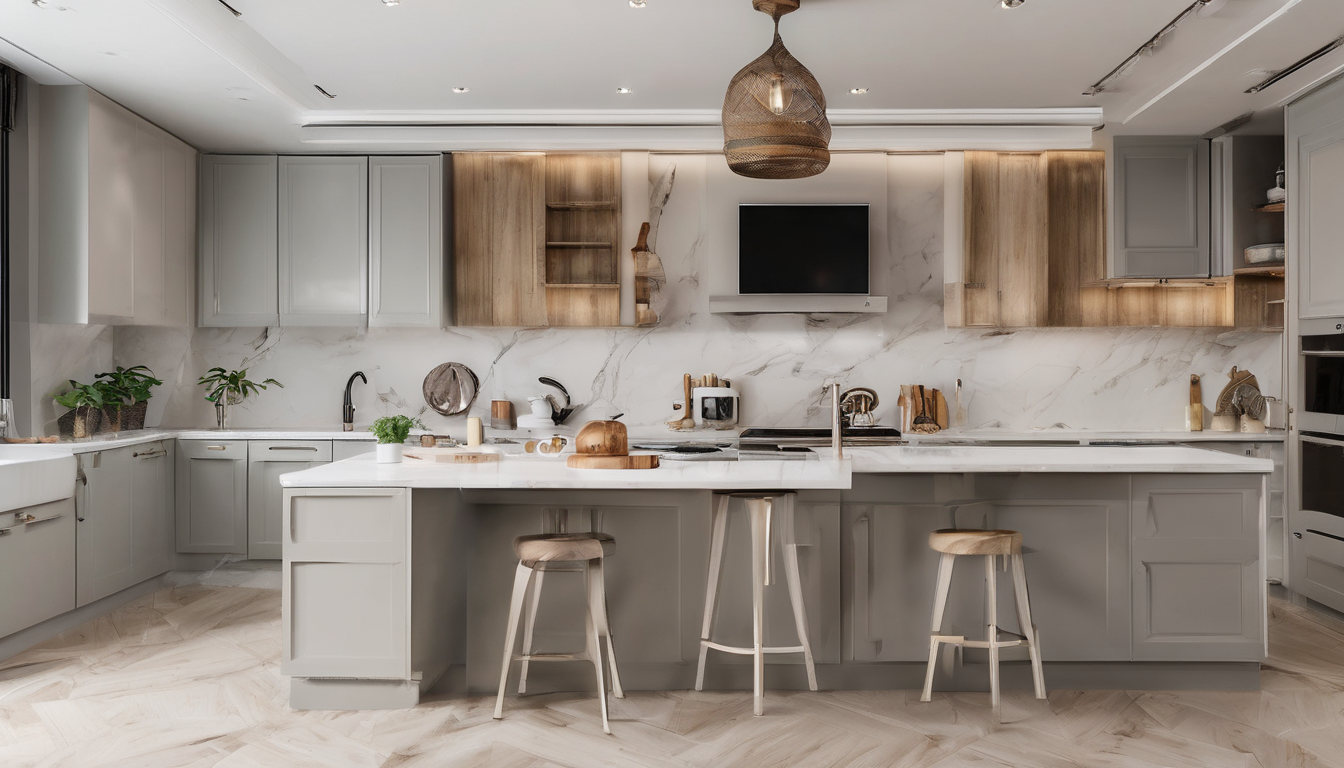

When planning a kitchen renovation, the choice between bespoke (custom) and prefabricated (prefab) kitchen cabinetry is pivotal. Understanding the Benefits of Bespoke vs. prefabricated kitchen cabinetry explained is crucial for homeowners striving to make informed, value-maximizing decisions. Bespoke cabinetry offers tailored fit and superior craftsmanship, while prefabricated cabinetry promises affordability and quicker installation. This article provides a deep dive into these cabinet types, comparing cost, design flexibility, quality, durability, and installation to help you determine which best suits your kitchen project.
Understanding Benefits of Bespoke vs. Prefabricated Kitchen Cabinetry Explained
The benefits of bespoke vs. prefabricated kitchen cabinetry explained often boil down to personal priorities such as budget, style preferences, time constraints, and kitchen layout uniqueness. Bespoke cabinets, crafted to exact measurements and tastes, typically offer unmatched quality and a perfect fit, appealing to homeowners who desire uniqueness and long-term durability. On the other hand, prefabricated options come ready-made in standard sizes and designs, making them suitable for faster, more affordable kitchen upgrades.
Analyzing these benefits is essential to ensure you choose cabinetry that enhances your kitchen both visually and functionally. Let’s explore each aspect in detail to provide clarity on which option aligns with your renovation needs.
Cost Comparison of Bespoke vs. Prefabricated Kitchen Cabinetry
One of the most significant differences in the benefits of bespoke vs. prefabricated kitchen cabinetry explained is cost. Prefabricated cabinets are considerably more affordable upfront, often costing between $60 to $200 per linear foot. For an average 10×10 kitchen, prefab cabinet costs can range from $1,000 to $4,000, making them attractive for budget-conscious projects or rental updates.
Bespoke cabinets, by contrast, typically have a price range of $500 to $1,500 or more per linear foot. Custom workmanship, personalised designs, and superior materials contribute to total kitchen cabinetry costs exceeding $15,000 in many cases. While this investment is higher, bespoke options offer tailored solutions and longevity that may justify the initial expense for many homeowners.
In summary, prefabricated cabinetry enables a quicker, less costly upgrade, whereas bespoke cabinetry involves greater investment in exchange for premium style and fit[1][2][4][5].
Design Flexibility and Customization Benefits
A core part of the benefits of bespoke vs. prefabricated kitchen cabinetry explained lies in customization. Bespoke cabinets provide complete design freedom. Homeowners can specify dimensions, finishes, hardware, drawer configurations, and special features like built-in organizers or niche lighting. This results in a truly personalised kitchen space optimized for functionality and aesthetic preferences, especially important in unique or irregular layouts.
Conversely, prefabricated cabinets are manufactured in fixed modular sizes and styles, offering limited options to adjust dimensions or finishes. The standardization eases mass production and shipping but restricts homeowners to a preset range. This lack of personalized fit and features can cause compromises in storage efficiency and overall kitchen design coherence.
Therefore, for homeowners valuing distinctiveness and tailored storage solutions, bespoke cabinets deliver unmatched benefits. Prefab cabinets suit simpler layouts and those prioritizing speed and cost over customization[1][2][3][5].
Material Quality and Durability Analysis
The material quality and durability differences represent another critical facet of the benefits of bespoke vs. prefabricated kitchen cabinetry explained. Bespoke cabinetry commonly employs solid wood or premium hardwoods, along with superior joinery techniques such as dovetail joints and high-end hardware. These quality materials contribute to greater longevity, sometimes lasting for decades with proper care.
Prefabricated cabinets are usually made from engineered wood products like plywood, MDF, or particleboard with laminate or melamine veneers. Although contemporary manufacturing methods have improved their quality, prefab cabinets generally offer a shorter lifespan—typically 10 to 15 years—before requiring replacement due to wear or damage.
Bespoke cabinets also allow refinishing and repairs, extending their usable life. Prefab cabinets often need full replacement for damage because refinishing is limited by material types and finishes.
Such quality distinctions are central to the benefits debate and influence long-term value and satisfaction[1][2][3][4].
Installation Timelines and Process Differences
One advantage commonly noted in the benefits of bespoke vs. prefabricated kitchen cabinetry explained is installation time. Prefabricated cabinetry offers a faster renovation timeline because the cabinets are pre-built and stocked, enabling delivery and installation within days or weeks. This rapid pace suits homeowners needing swift kitchen updates or those on tight schedules.
Bespoke cabinets necessitate design consultations, precise measuring, and fabrication time, extending the installation wait from several weeks up to a few months depending on complexity. However, the payoff is a perfectly fitted installation that maximizes space and ensures meticulous craftsmanship.
Overall, prefab cabinets appeal to quick turnkey renovations, whereas bespoke cabinets cater to homeowners who can wait for a custom solution aligned exactly with their lifestyle and kitchen space demands[1][2][5].
Maintenance and Long-Term Value Considerations
When exploring benefits of bespoke vs. prefabricated kitchen cabinetry explained, maintenance and long-term value are essential factors. Bespoke cabinetry’s use of solid wood and robust construction means these units can be repaired, refinished, and refreshed over time, making them a lasting investment.
In contrast, prefab cabinets are less durable, often requiring replacement rather than repair upon damage or wear. The lower initial cost is counterweighted by the potential for more frequent replacement costs. Additionally, custom cabinetry can enhance property value due to high-quality material and unique design integration, an advantage less commonly attributed to prefabricated cabinetry.
Therefore, bespoke cabinetry generally offers better long-term value, both functionally and financially, for homeowners focused on lasting kitchen quality[1][2][4][7].
Environmental and Sustainability Factors
Sustainability concerns also impact the benefits of bespoke vs. prefabricated kitchen cabinetry explained. Bespoke cabinets often use responsibly sourced solid wood and sustainable joinery practices, and their durability means less frequent replacement and waste over time.
Prefabricated cabinets, while usually made with engineered wood products that may include recycled fibers, are mass-produced and tend to have shorter lifespans, potentially increasing landfill waste. However, some manufacturers have begun offering eco-friendly prefab options with formaldehyde-free materials and sustainable finishes.
Homeowners prioritizing green building and reducing environmental impact may lean towards bespoke craftsmanship or select eco-certified prefab options accordingly[1][4][7].
Pros and Cons Overview of Bespoke vs. Prefabricated Kitchen Cabinetry
- Bespoke Cabinets Pros: Total customization, superior materials and craftsmanship, perfect fit, longer lifespan, potential property value increase.
- Bespoke Cabinets Cons: Higher cost, longer lead and installation time.
- Prefabricated Cabinets Pros: Lower cost, faster availability, consistent uniform look, easier replacement of individual units.
- Prefabricated Cabinets Cons: Limited sizes and styles, typically lower quality materials, shorter durability, fewer customization options.
This clear pros and cons comparison helps frame the benefits of bespoke vs. prefabricated kitchen cabinetry explained succinctly for decision-making[1][2][3][4].
<h2 id="expert-tips-for-choosing-the-right-cabinetry”>Expert Tips for Choosing the Right Cabinetry
- Assess your budget realistically: Include installation and potential long-term maintenance costs when comparing.
- Consider the kitchen layout: Unique or irregular spaces benefit more from bespoke cabinetry.
- Factor timeline constraints: If your renovation is time sensitive, prefab may be better.
- Prioritize materials if durability matters: Choose bespoke for solid wood and refined details.
- Consult with a trusted kitchen fitting company: Experienced fitters can help weigh options and manage installation expertly.
These tips align with the comprehensive analysis of benefits of bespoke vs. prefabricated kitchen cabinetry explained to guide smart decision-making specific to your project[2][5][7].
Final Verdict on Benefits of Bespoke vs. Prefabricated Kitchen Cabinetry Explained
In conclusion, the benefits of bespoke vs. prefabricated kitchen cabinetry explained reveal a clear trade-off between price and personalization, speed and durability, flexibility and uniformity. Prefabricated cabinetry is ideal for those needing a quick, affordable kitchen refresh without specialized design demands. Bespoke cabinetry, while requiring greater investment and patience, offers superior quality, tailored style, and long-term value that few alternatives match.
Choosing between the two depends largely on your kitchen’s unique needs, your budget, and your expectations for longevity and style. Professional advice from skilled kitchen fitters can further refine the decision to help you achieve a kitchen that performs beautifully and looks stunning for years to come.
