
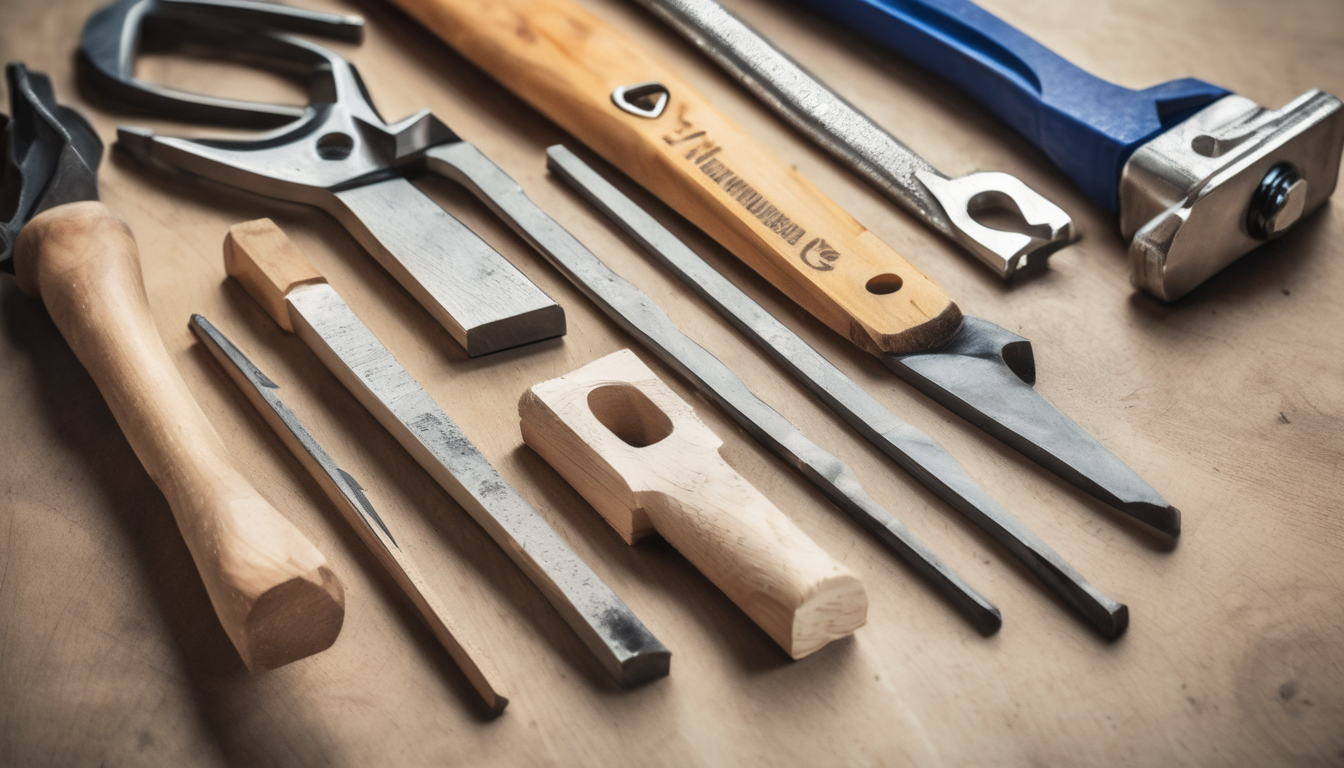

Second fix carpentry presents a unique set of challenges to woodworkers and builders alike. If you find yourself struggling with getting that perfect finish on doors, skirting boards, architraves, or staircase handrails, you’re not alone. These finishing tasks demand precision, the right materials, and above all, expert use of tools and techniques. Understanding the Common Tools and techniques used in second fix carpentry is key to overcoming these challenges effectively and achieving clean, structural, and aesthetically pleasing results.
The difficulties often arise because second fix carpentry involves working at the final stages of a build, where surfaces are exposed, mistakes are visible, and tolerances are tight. Errors in measuring, cutting, or fixing can compromise the overall finish and durability. Additionally, second fix materials like MDF, hardwoods, and decorative mouldings have their own handling requirements that differ from rough structural timber used in first fix carpentry.
Fortunately, there are proven tools and techniques that professionals rely on to ensure precision, efficiency, and quality in this detailed phase of carpentry. This article explores ten essential common tools and techniques used in second fix carpentry, offering practical solutions and insights to help you elevate your craft.
Understanding Common Tools and Techniques Used in Second Fix Carpentry
Second fix carpentry focuses on fitting and finishing visible elements such as door frames, skirting boards, architraves, staircases, and cabinetry. Unlike first fix which deals with structural framework, second fix carpentry demands clean edges, precise joints, and smooth surfaces. This phase requires both mastery of traditional woodworking skills and familiarity with modern tools.
Common tools and techniques used in second fix carpentry optimize accuracy in cutting, assembling, shaping, and finishing. These enable carpenters to handle delicate materials like MDF and hardwood trims efficiently while maintaining the aesthetic quality demanded by clients. Attention to detail in this phase is critical because errors are immediately visible and can affect the durability and appearance of the finished project.
Precision Measuring and Marking Tools
Accurate measuring and marking are fundamental in second fix carpentry. Mistakes at this stage can lead to ill-fitting doors, uneven skirting, and misaligned handrails.
1. Tape Measures and Steel Rulers
A quality 5m to 8m tape measure with clearly marked increments is essential for measuring length and height accurately. Steel rulers provide rigidity for marking straight lines on narrow pieces, which is common when marking skirting or architraves.
2. Combination and Carpenter’s Squares
Combination squares allow marking and checking both 90° and 45° angles, crucial for mitre cuts on mouldings. Carpenter’s squares are indispensable for verifying square edges and ensuring layout lines are perfectly perpendicular.
3. Marking Knives and Pencils
While pencils are common, marking knives provide cleaner, more precise lines that don’t smudge and help guide saw blades for finer cuts. They are particularly helpful for trimming joints and aligning mitre edges precisely.
Power Tools for Accurate Cutting and Assembling
Efficient cutting and assembling rely on power tools that guarantee precision and repeatability in second fix carpentry.
4. Mitre Saws
Mitre saws are invaluable for accurate, clean angle cuts on skirting, architraves, and door frames. Sliding compound mitre saws with adjustable angles allow carpenters to execute complex cuts with ease and accuracy.
5. Cordless Drills and Impact Drivers
Cordless drills equipped with screwdriver bits speed up assembling and fixing panels, door linings, and cabinetry. Impact drivers provide extra torque for driving screws into hardwood or dense materials without stripping.
6. Jigsaws
Jigsaws are frequently used for cutting curves or irregular shapes needed in staircases or bespoke cabinetry. Selecting the appropriate blade for clean cuts in MDF or hardwood ensures minimal splintering.
Hand Tools Essential for Fine Detailing
While power tools improve speed and efficiency, hand tools remain indispensable in second fix carpentry for finishing touches and adjustments.
7. Chisels and Mallets
Chisels come in varying widths for trimming joints, cleaning out mortices, or shaping intricate details. Mallets with rubber or wooden heads provide gentle force without damaging timber.
8. Block Planes
Block planes allow precise trimming of timber edges, chamfering corners, and smoothing mitre joints. They are perfect for correcting small fitting issues without sanding excessively.
9. Clamps
Quick-release bar clamps, G-clamps, and sash clamps secure fixed joints as glues set or while pilot holes are drilled and screws inserted. Good clamping maintains joint integrity and flat surfaces during assembly.
Fastening Methods and Fixings in Second Fix Carpentry
Reliable fixing ensures structural integrity and longevity of second fix carpentry components.
- Nails and Brad Nails: Used with nail guns or by hand for securing skirting and architraves discreetly.
- Screws: Preferred for door linings, cabinetry, and staircases where mechanical strength is crucial.
- Adhesives: Wood glue or specialist MDF adhesives enhance bond strength alongside mechanical fixings, minimizing movement and squeaks.
Surface Preparation and Finishing Techniques
Preparing surfaces and finishing detail are essential for a premium final appearance in second fix carpentry.
- Sanding: Random orbital sanders speed up smoothing MDF edges, timber trims, and stair components prior to finishing.
- Filling and Sealing: High-quality wood fillers and sealants cover minor defects and nail holes before painting or staining.
- Painting and Staining: Proper surface prep ensures even coating adhesion and long-lasting decorative finishes.
Best Clamping Practices for Secure Joints
Strong joints are critical in second fix carpentry to avoid future loosening or rattling.
Apply clamps strategically to distribute pressure evenly on mitre joints or glued surfaces. Use protective pads under clamps to prevent indentations. Release clamps only when glue has fully cured to maintain joint strength and alignment.
Troubleshooting Common Second Fix Carpentry Problems
- Misaligned skirting or architraves: Recheck measurements and use hand planes or rasps to fine-tune fit before fixing permanently.
- Doors not closing properly: Adjust hinges carefully; use block planes to trim door edges if needed.
- Squeaking staircases or handrails: Inspect fixings and add adhesive or additional screws to eliminate movement.
Expert Tips for Mastering the Tools and Techniques
- Always measure twice and mark carefully before cutting to reduce waste.
- Invest in quality blades and bits to improve cut quality and reduce tear-out in MDF or hardwood.
- Practice mitre cuts on off-cuts to perfect angles before working on visible pieces.
- Use slow, deliberate strokes when using hand planes for a smooth finish.
- Maintain tools regularly — sharp chisels and clean saw blades make work safer and more precise.
Conclusion: Use These Common Tools and Techniques for Success
Mastering the common tools and techniques used in second fix carpentry is fundamental to solving the common challenges in finishing detailed woodwork. From precision measuring tools and power saws to chisels and clever clamping methods, each plays a critical role in achieving a flawless, lasting finish for doors, skirting, staircases, and cabinetry. Emphasizing accuracy, proper tool choice, and surface preparation will not only improve quality but also save time and reduce costly mistakes. By adopting these expert solutions, you can confidently navigate second fix projects and deliver craftsmanship that stands out in both function and style.
