

Introduction
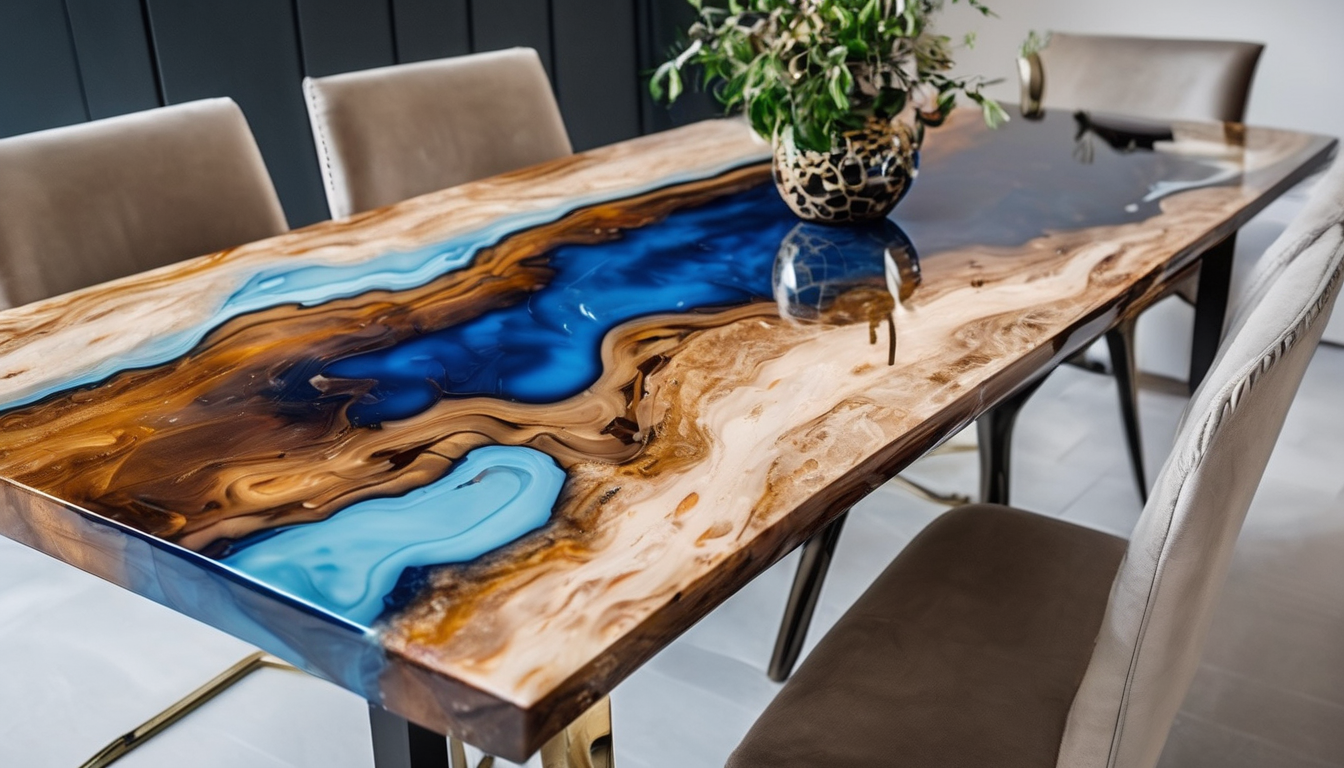
Crafting a bespoke dining table with integrated resin pours presents unique challenges and opportunities for creativity. Whether you’re aiming to highlight natural timber grains or incorporate vibrant colour contrasts, the key lies in mastering precise techniques that respect both the aesthetic and structural integrity of your chosen materials.
Table of Contents
<h2 id="matching-grain-patterns“>Bespoke Resin Pour Techniques For Dining Tables – Matching Grain Patterns in Bespoke Resin Pour Dining Tables
When integrating resin into a dining table’s design, one of the most critical aspects is ensuring that the grain patterns align perfectly. This technique not only enhances visual appeal but also helps maintain a seamless transition between timber and epoxy layers.
Understanding Timber Grains
Each piece of wood has unique characteristics based on its species and growth pattern. The key to successful matching lies in recognising these nuances and selecting resins that complement them without overwhelming the natural beauty of the timber.
Resin Selection and Preparation
Choosing a resin with properties suitable for your project is crucial. A transparent, clear epoxy allows natural grain patterns to shine through, while tinted or pigmented resins can introduce subtle contrasts when used judiciously. Proper mixing ratios and degassing techniques ensure the final pour remains free from air bubbles.
Bespoke Resin Pour Techniques For Dining Tables – Choosing Sustainable Hardwoods for Longevity and Aesthetics
Selecting the right hardwood is essential for a dining table’s durability and aesthetic appeal, particularly when combining timber with resin. Sustainability should also be a primary consideration in your choice of wood species.
Popular Timber Choices
Oak, maple, walnut, and cherry are commonly used due to their strength, stability, and attractive grain patterns. Each type offers distinct visual characteristics that can influence the overall look of the dining table.
Sustainable Sourcing Practices
Opting for timber from responsibly managed forests helps protect natural habitats while ensuring you receive high-quality materials. Look for certifications such as FSC (Forest Stewardship Council) or PEFC (Programme for the Endorsement of Forest Certification).
Bespoke Resin Pour Techniques For Dining Tables – Preparation and Precautions Before Starting Your Project
Effective preparation is crucial before embarking on any bespoke resin pour project, especially when working with dining table designs that integrate both timber and epoxy layers.
Material Gathering
Ensure all necessary tools and materials are readily available. This includes clamps, scrapers, sponges, respirators, gloves, and safety goggles to protect against harmful chemicals during the pouring process.
Cleaning and Surface Preparation
Thoroughly clean your timber surface to remove any dirt or oils that could interfere with adhesion. Sanding may be required to achieve a smooth base for the resin layer. A primer can also help improve bonding between wood and epoxy.
Pouring Techniques to Achieve a Seamless Blend
Mastering pouring techniques is vital to achieving a seamless blend of timber and epoxy in your dining table design, ensuring both aesthetic harmony and structural integrity.
Layer Application
Start by applying a thin layer of resin over the timber surface. Use a squeegee or similar tool to distribute it evenly. Allow this coat to cure partially before adding subsequent layers for added depth and texture.
Inlay Techniques
For intricate designs, consider using inlay techniques where small pieces of contrasting wood are set into the epoxy layer. This method creates striking visual effects while maintaining the structural integrity of your dining table.
Colour Matching Resin to Complement Wood Tones
Effective colour matching between resin and timber is essential for a cohesive look in bespoke dining tables, ensuring that each material complements rather than overwhelms the other.
Choosing Tints and Pigments
Selecting appropriate pigments or tints allows you to create subtle contrasts without overshadowing the natural beauty of your hardwood. Experiment with different shades until you find a harmonious balance between timber grain and epoxy layer.
Samples and Test Pours
Before committing to a large-scale project, test your chosen resin formula on small samples of similar wood types. This helps in refining colours and ensuring that the final result meets expectations for both aesthetic appeal and structural integrity.
Advanced Methods and Innovations in Resin Pour Dining Tables
Innovative techniques continue to evolve, offering new ways to enhance the beauty and longevity of bespoke dining tables through resin integration. These methods push the boundaries of traditional craftsmanship while maintaining respect for wood’s natural qualities.
Embedding Objects
Introducing objects such as metallic flakes or small decorative items within the epoxy layer can add unique textures and visual interest to your dining table design, making it a truly one-of-a-kind piece.
Glow-in-the-Dark Resin
Incorporating glow-in-the-dark pigments into resin pours creates an enchanting effect when exposed to light. Once darkened, these features emit soft luminescence, adding a magical touch to your dining table’s ambiance.
Expert Tips for Bespoke Resin Pour Dining Tables
To ensure success in crafting bespoke dining tables with resin pours, consider the following expert tips:
– Always work in a well-ventilated area and wear protective gear.
– Use high-quality resins designed specifically for woodworking applications.
– Take time to match grain patterns meticulously before pouring any epoxy layers.
– Experiment with different pigments and tints on small samples first. This relates directly to Bespoke Resin Pour Techniques For Dining Tables.
Frequently Asked Questions
What are the key considerations when choosing timber species?
When selecting timber, focus on sustainability certifications like FSC or PEFC. Additionally, consider wood types known for their stability and beauty, such as oak or maple.
How do I prevent air bubbles in resin pours?
Degassing your epoxy thoroughly before pouring helps eliminate air pockets. Use a heat gun to pop any remaining bubbles during the curing process. When considering Bespoke Resin Pour Techniques For Dining Tables, this becomes clear.
Can I embed objects within the resin layer safely?
Yes, but ensure that embedded items are compatible with the epoxy and won’t degrade over time. This adds unique textures and visual interest to your dining table design. Understanding Bespoke Resin Pour Techniques For Dining Tables is key to success in this area.
