
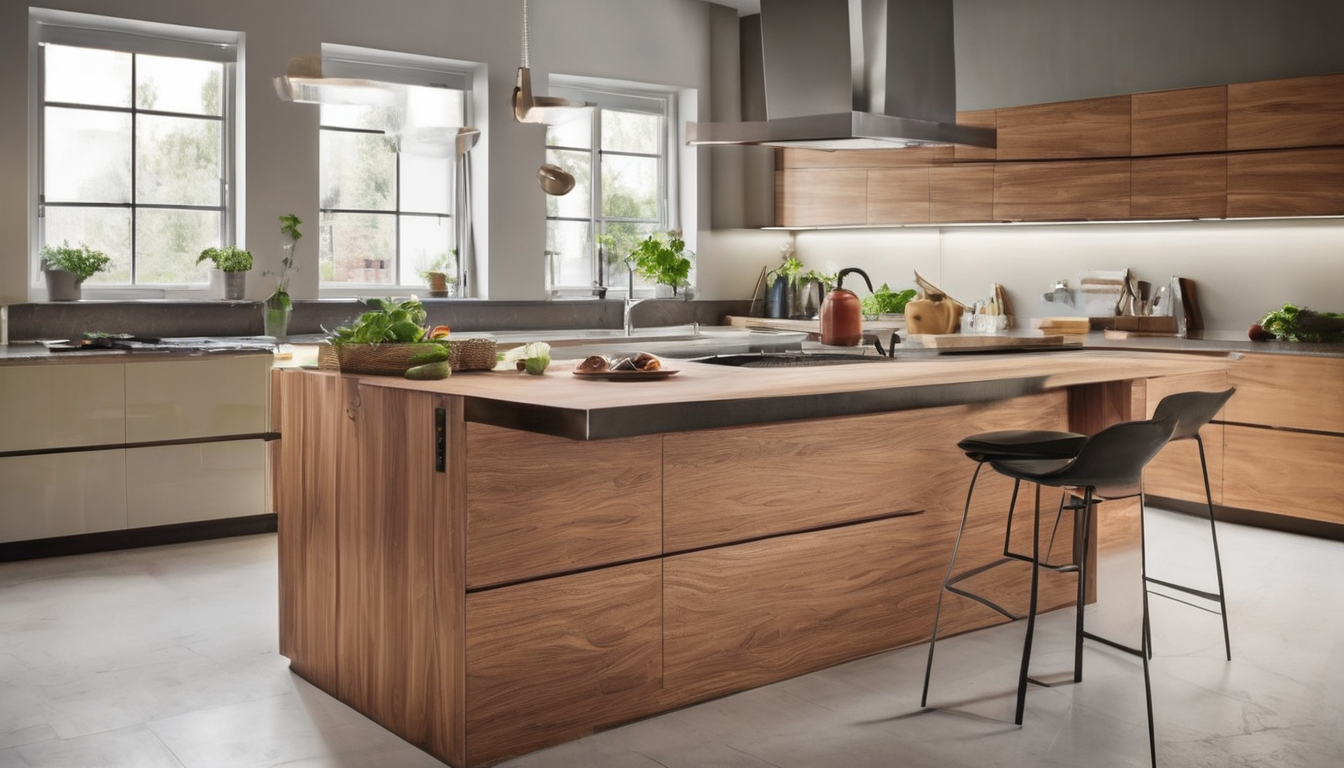

Wood veneer countertops offer a stunning alternative to solid wood, combining the warmth and beauty of natural grain with more sustainable and sometimes cost-effective solutions. When selecting a wood veneer for your kitchen countertop, understanding the various types available, their durability, and maintenance requirements is critical to ensure a long-lasting, functional, and attractive surface. This comprehensive guide focuses specifically on Choosing the Best wood veneer types for kitchen countertops, helping homeowners and renovators make confident purchasing decisions.
In kitchen environments, wood veneer faces unique challenges like moisture exposure, heat fluctuations, and heavy use, so choosing the right veneer type—along with effective sealing and finishing—is paramount. This article digs deep into the characteristics of popular wood veneer species, how they withstand kitchen conditions, common mistakes to avoid, and practical tips to extend the life of veneer countertops.
Understanding Choosing the Best Wood Veneer Types for Kitchen Countertops
Choosing the best wood veneer types for kitchen countertops begins with understanding what wood veneer actually is: a thin slice of natural wood—usually 0.5 to 3 mm thick—applied over substrates such as plywood or MDF to provide an authentic wood appearance without the bulk or cost of solid wood. Veneers allow designers and homeowners to achieve premium wood aesthetics while saving on material and weight. However, not all wood veneers are created equal, especially for kitchen use.
The kitchen environment demands careful selection due to its exposure to moisture, heat, spills, and frequent cleaning. Therefore, the key to successful veneer application lies in both selecting a veneer species with suitable hardness and stability, and pairing it with high-quality finishing and sealing to enhance durability. The article focuses on how to navigate these selections effectively.
Top Wood Veneer Species for Kitchen Countertops
When choosing the best wood veneer types for kitchen countertops, durability, moisture resistance, and aesthetics are core factors. Several wood species stand out as proven performers in this context:
White Oak
White oak veneer is highly recommended for kitchen countertops due to its excellent moisture resistance and durability. Its tight, straight grain and light to medium brown tones deliver a timeless look with subtle ray fleck patterns in quarter-sawn cuts. It rates very highly for scratch resistance and is favored in busy kitchens where longevity is essential.
Hard Maple
Hard maple veneer is prized for its fine, consistent grain and creamy light color, making it ideal for both natural finishes and stains. It is particularly strong and resistant to abrasion, making it a common choice for butcher blocks and countertops requiring a clean, bright appearance.
Walnut
Walnut veneer offers a rich, deep chocolate tone with handsome grain variations that create a luxurious countertop surface. Though slightly less hard than oak or maple, walnut provides good durability and self-healing properties. Its finish wear patterns can add to its character over time.
Cherry
Cherry veneer brings warm reddish hues and a smooth texture, favored for traditional or transitional kitchen styles. It is somewhat softer, so it’s best suited for less heavily trafficked kitchens or when careful maintenance is expected.
Exotic Choices: Wenge and Jatoba
For those seeking bold and dramatic appearances, exotic veneers like Wenge and Jatoba provide deep color and hardness benefits. Wenge is extremely dense and scratch-resistant, while Jatoba (Brazilian cherry) offers a hard surface with reddish tones. These species perform well with proper finishing but tend to be more expensive and may require expert handling.
Durability Considerations in Choosing the Best Wood Veneer Types for Kitchen Countertops
Durability encompasses several factors beyond basic hardness ratings, including resistance to moisture, heat, scratches, and impact. When choosing the best wood veneer types for kitchen countertops, consider:
- Hardness: Woods rated higher on the Janka hardness scale resist dents and scratches better. White oak, maple, and exotic hardwoods tend to score well.
- Grain tightness and orientation: Denser, tighter grains better repel moisture and wear. Quarter-sawn veneers often display superior stability and aesthetics.
- Natural oils and tannins: Some woods contain natural substances that improve water resistance (e.g., teak), but these are rare in veneer form and may require extra sealing.
- Self-healing properties: Species like walnut can often “heal” minor scratches, improving countertop longevity with light sanding and refinishing.
Remember that even the hardest veneer can fail prematurely without proper sealing and finish. The underlying substrate must be stable and moisture-resistant to avoid warping or lifting.
Importance of Sealing and Finishing When Choosing Wood Veneer
Choosing the best wood veneer types for kitchen countertops is incomplete without understanding sealing and finishing techniques. Wood veneer is a thin layer, so protection against moisture ingress, heat damage, and stains is vital. A few key points include:
- Use of high-quality, moisture-resistant sealers: Polyurethane, conversion varnish, or water-based sealants provide a protective barrier, enhancing hardness and preventing water damage.
- Multiple coating layers: Applying several thin layers builds better protection than a single thick coat and preserves the natural look of the veneer.
- Edge sealing: Special care must be taken to seal the edges where veneer meets substrate, as they are vulnerable to water infiltration.
- Periodic refinishing: Over time, maintaining veneer requires light sanding and reapplication of finishes to repair surface wear and maintain durability.
Proper finishing extends the lifespan of the veneer countertop by decades if done correctly, making it a must for kitchen installations.
Common Mistakes to Avoid When Choosing Wood Veneer Countertops
Several pitfalls can jeopardize the success and longevity of wood veneer countertops. When choosing the best wood veneer types for kitchen countertops, avoid these common mistakes:
- Choosing veneer species without considering moisture resistance: Soft or porous veneers may warp or delaminate in a kitchen environment.
- Neglecting the substrate quality: Poor-quality plywood or MDF can lead to uneven surfaces or swelling.
- Skipping professional sealing or applying inadequate finishes: This leaves veneers vulnerable to damage from water, heat, and stains.
- Ignoring maintenance requirements: Veneer countertops require regular upkeep to remain beautiful and functional.
Maintaining and Repairing Wood Veneer Countertops
Proper maintenance is key to preserving the beauty and performance of wood veneer countertops. Best practices include:
- Regular cleaning with mild soap and water; avoid harsh chemicals or abrasive scrubbers.
- Promptly wiping spills, especially acidic substances like lemon juice or vinegar, to prevent staining or etching.
- Periodic application of oil or wax finishes recommended by the manufacturer to protect the surface and refresh the wood.
- Light sanding and refinishing to repair minor scratches or wear spots. Veneers allow for careful spot repair without replacing the entire countertop.
For extensive damage or delamination, professional repair or partial veneer replacement may be necessary.
Cost and Value Analysis of Wood Veneer Countertops vs Alternatives
Choosing the best wood veneer types for kitchen countertops also involves comparing cost and value against alternatives like solid wood or laminate:
- Cost: Wood veneer countertops usually cost less than solid hardwood, sometimes by 40-60%, while providing a comparable aesthetic.
- Weight and installation: Veneers are lighter and easier to install, often reducing labor costs.
- Aesthetic versatility: Veneers can mimic rare or exotic woods affordably and sustainably.
- Durability: Solid wood is more robust and can be sanded down multiple times; veneer has limited refinishing but with good finish is very durable for kitchens.
- Laminate alternatives: Laminate provides high resistance to stains and moisture but lacks the authentic feel and warmth of wood veneer.
Considering your budget, kitchen use intensity, and desired look helps balance cost and value effectively.
Expert Tips for Choosing the Best Wood Veneer Types for Kitchen Countertops
- Always request veneer samples from suppliers to assess grain, color, and feel before purchase.
- Choose quarter-sawn veneers when possible for superior stability and striking grain patterns.
- Specify species known for durability like white oak or hard maple for kitchen use.
- Work with experienced fabricators who understand veneer installation and finishing nuances.
- Plan for maintenance upfront, including resealing every few years to extend countertop life.
Conclusion
Choosing the best wood veneer types for kitchen countertops requires balancing beauty, durability, and practical maintenance considerations. Species such as white oak, hard maple, walnut, and carefully selected exotic woods offer excellent options when paired with appropriate sealing and finishing. Avoiding common mistakes like poor substrate choice and insufficient finish application ensures your veneer countertop remains a stunning, warm centerpiece of your kitchen for years to come. With mindful selection and upkeep, wood veneer can deliver a remarkable combination of authentic elegance and everyday functionality.
