
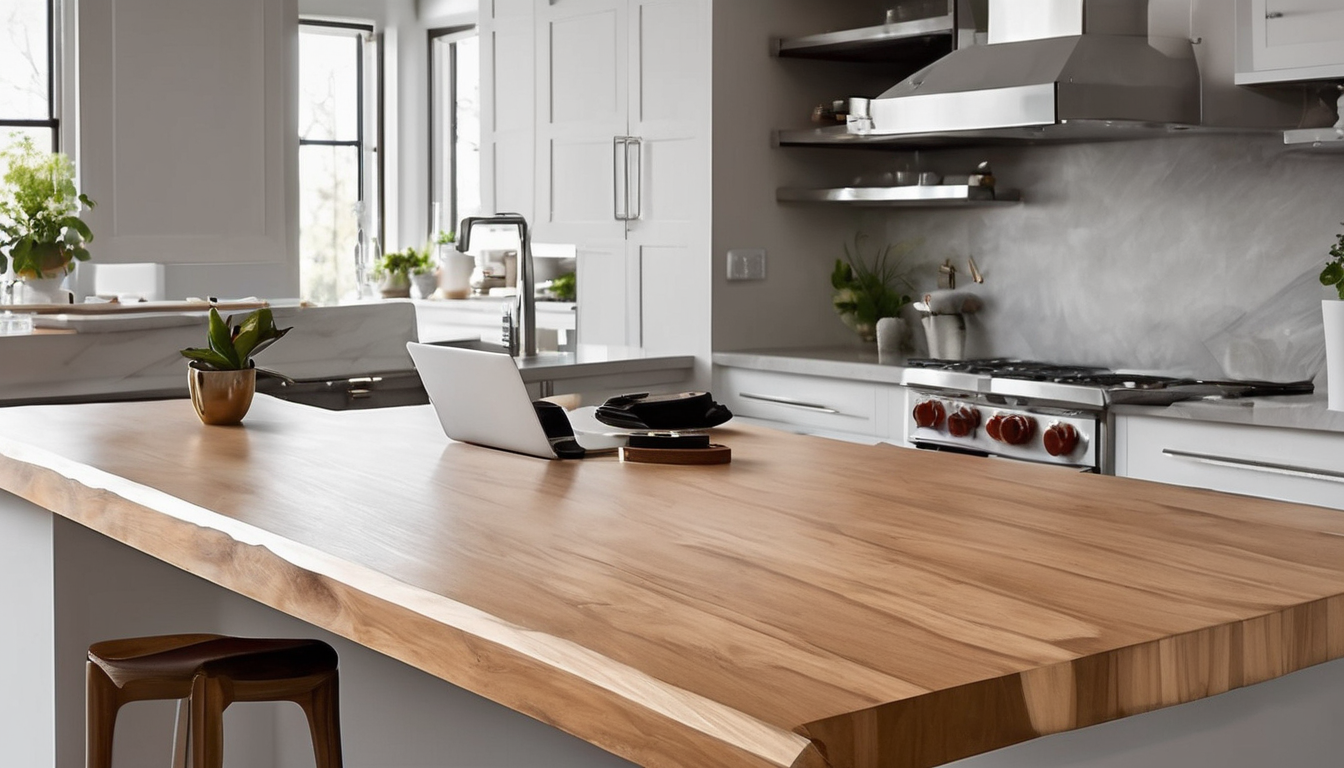

Choosing the right kitchen countertop material involves balancing aesthetics, durability, maintenance, and cost. Among popular options, wood veneer countertops offer a warm, natural look but raise questions about longevity and value compared to alternatives. This article presents a detailed Cost Analysis and value of wood veneer versus alternative countertop materials to guide homeowners, designers, and carpentry professionals through critical factors of each option.
By examining upfront expenses, durability, maintenance requirements, and overall worth, you can make an objective, well-informed choice that suits your budget and lifestyle. This focused comparison highlights strengths and weaknesses of wood veneer in the broader countertop market.
Understanding Cost Analysis and Value of Wood Veneer Versus Alternative Countertop Materials
Cost analysis in countertops involves evaluating both initial installation expenditures and ongoing maintenance or replacement expenses over the product’s lifespan. Value is a broader measure, factoring in appearance, durability, ease of maintenance, and resale impact.
Wood veneer countertops consist of a thin layer of high-quality wood bonded over a substrate like plywood or MDF. This distinguishes them from solid wood or butcher block counters that use thick, solid wood slabs or assembled wood strips. Veneer aims to deliver the beauty of wood at a potentially lower cost while reducing the bulk and material use.
Alternatives include laminate (a printed plastic coating over particleboard), solid wood butcher block, natural stones (granite, marble), and engineered solid surfaces (Corian, quartz composites). Each varies significantly in cost per square foot, durability, and upkeep complexity, which shapes overall long-term value.
Wood Veneer Countertops: Cost and Value Considerations
Cost Range and Installation
Wood veneer countertops generally fall into a moderate price category, typically costing around $40 to $60 per square foot installed, depending on the quality of veneer wood species and substrate used. While veneer requires skilled installation to bond and finish properly, it is usually less costly than solid wood tops as it uses less hardwood[3][4].
Durability and Maintenance
Wood veneer counters, while visually appealing with real wood grain, are thinner and more vulnerable to surface damage than solid wood or stone. They require careful sealing and regular maintenance to protect against moisture, heat, and scratches. Damage is often repairable by sanding and refinishing, but veneer can delaminate if exposed to excessive moisture or impact over time[5].
Value and Longevity
Wood veneer provides an authentic wooden look at a reduced initial price and weight compared to solid wood counters but generally has shorter lifespan expectations, around 10-15 years with good care. Its ability to mimic high-end wood aesthetics without the full solid wood price can be considered a value advantage, though resale value is less than natural stone or high-end solid surfaces[4][5].
Butcher Block and Solid Wood Countertops Comparison
Cost Factors
Butcher block or solid wood countertops cost approximately $30 to $100 per square foot, varying with hardwood species—from domestic maple or oak to expensive walnut[2][3]. Installation requires precise joinery and finishing, often more complex than veneer application.
Durability and Maintenance
Hardwood butcher block counters are more durable than veneer, able to withstand cutting, heat, and dents better, with the possibility to sand and refinish multiple times over their 10-20+ year lifespan. However, they demand regular oiling or sealing to prevent drying and cracking. Long-term maintenance involves refinishing and resealing to maintain surface integrity[3][5].
Value and Appearance
Butcher block counters extract stronger value from their longevity and authentic wood feel, often increasing home appeal for rustic or farmhouse kitchen designs. Their natural aging and patina development add charm but require conscious upkeep to retain.
Laminate Countertops: Cost Efficiency and Lifespan
Initial Cost and Installation
Laminate countertops are the most budget-friendly option, typically $10 to $30 per square foot. Installation over particleboard is straightforward and fast, offering a wide variety of colors and patterns, including wood-look finishes, but these are printed surfaces rather than real wood[1][4].
Durability and Replacement Frequency
Laminate is less durable, susceptible to scratches, burns, and chipping. Its lifespan is commonly 5-10 years depending on use and care. Replacement costs over time can accumulate, diminishing cost-effectiveness in the long run[1][4].
Value Considerations
Due to its commonality and lower durability, laminate generally does not add significant resale value. It serves well for budget-conscious renovations or rentals rather than high-end kitchen remodels[4].
Natural Stone Countertops: Granite and Marble Cost vs Durability
Cost and Investment
Granite and marble countertops range from $70 to $175+ per square foot, reflecting premium natural stone material and complex installation. Despite higher upfront cost, these materials are considered investments due to their prestige and toughness[1][2][7].
Durability and Maintenance Needs
Granite is highly durable, heat- and scratch-resistant, lasting 25+ years with periodic sealing every 12-18 months. Marble is elegant but more prone to etching and requires more maintenance. Both resist moisture damage better than wood veneer or butcher block[1][2].
Value and Longevity
Natural stone counters contribute to increased home value thanks to their durability and luxury appeal. Their longevity and timeless design often justify the initial expense in resale terms[7].
Solid Surface Countertops: Price and Maintenance Overview
Cost and Aesthetic Flexibility
Examples include Corian or engineered quartz composites, ranging $50 to $150 per square foot. They offer seamless installation and broad color/pattern options favorable for modern kitchens[2].
Durability and Repair
Solid surfaces resist many household damages but are vulnerable to heat and scratches, though minor damage can often be buffed out. Longevity is 15-25 years with moderate maintenance[2].
Value Proposition
Solid surface countertops offer a middle ground between veneer and natural stone, providing durable, attractive surfaces that add moderate resale value[2].
Maintenance and Durability Impact on Countertop Value
The relationship between maintenance ease, durability, and customer-perceived value is crucial. Wood veneer demands regular sealing and protection against moisture and heat, usually with oil or polyurethane finishes, increasing upkeep efforts.
In contrast, materials like granite and quartz require less frequent care, enhancing long-term cost-effectiveness despite higher initial investments. Laminate, while cheap, often requires premature replacement. Butcher block provides a good balance, but attention to sealing is vital to prevent warping or staining[3][5][1].
Final Verdict on Cost Analysis and Value of Wood Veneer Versus Alternative Countertop Materials
When evaluating cost analysis and value of wood veneer versus alternative countertop materials, wood veneer stands out for its authentic wood appeal at moderate cost but falls short on long-term durability and maintenance simplicity. For those seeking natural wood aesthetics with less expense than solid wood, wood veneer is compelling.
However, butcher block or solid wood countertops provide better durability and refinishing ability, justifying their higher price with longer use and potentially greater home value. Laminate counters remain an economical choice but lose value due to limited longevity and lack of authenticity.
Natural stone counters command premium pricing but offer unmatched durability, heat resistance, and prestige, making them ideal for long-term investment. Solid surfaces act as versatile mid-tier contenders balancing cost, customizability, and durability.
Ultimately, selecting a countertop depends on budget, kitchen use intensity, desired lifespan, and aesthetic priority. Carefully weighing these factors alongside cost analysis and value of wood veneer versus alternative countertop materials will help homeowners and carpenters create functional, beautiful, and cost-effective kitchen surfaces.
Expert Tips for Choosing Kitchen Countertops
- Consistently seal wood veneer or butcher block countertops with food-safe oils or polyurethane to extend lifespan and resist moisture damage.
- Consider kitchen use frequency—heavy cooking areas benefit from durable stone or solid surfaces, while islands can safely feature wood veneer for aesthetics.
- Factor in long-term maintenance costs when budgeting; upfront savings on laminate or veneer can be offset by earlier replacement or repairs.
- Consult a skilled carpenter or installer experienced with wood veneer to ensure proper substrate preparation and finishing for durability.
- Integrate cutting boards and trivets to protect wood surfaces from dents, cuts, and heat damage.
