
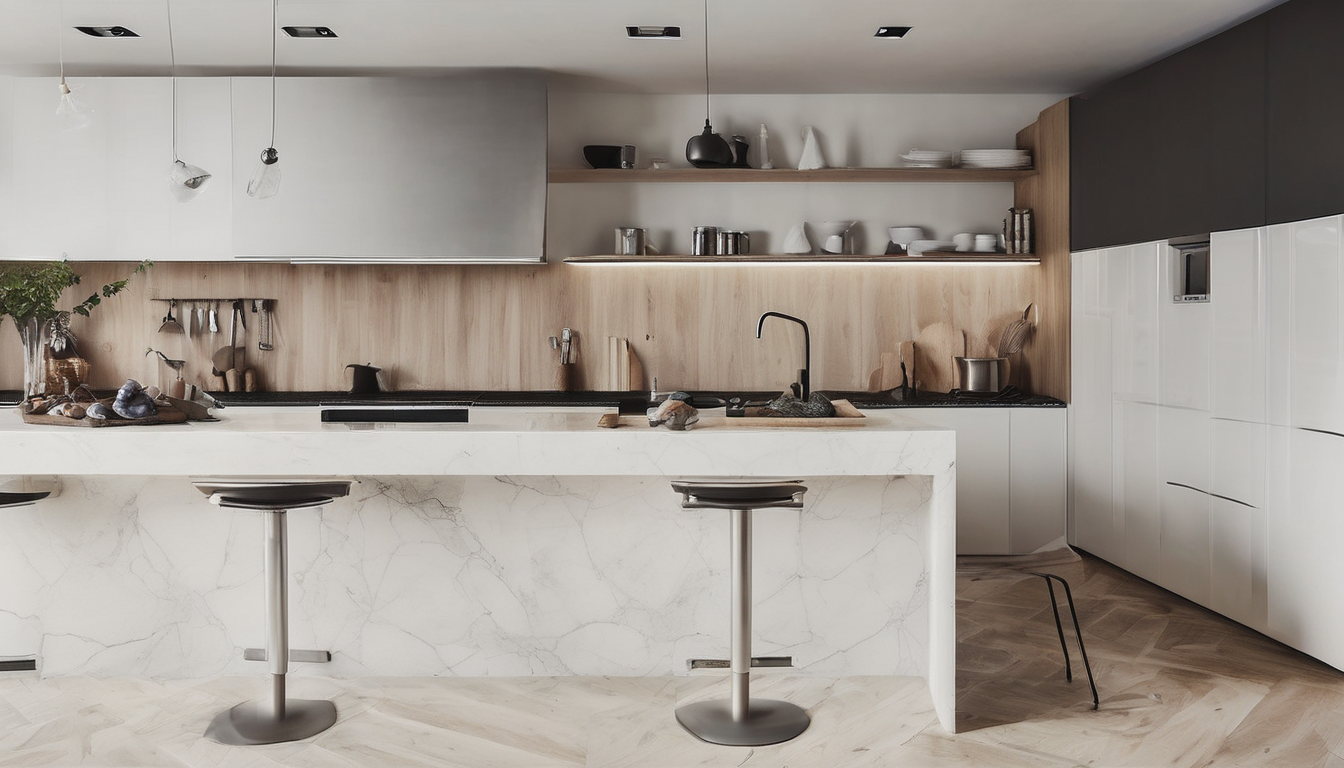

The heart of the home is undeniably the kitchen, and at the core of this crucial space lies the choice of worktop material—a decision that impacts not just the look and feel of your kitchen but its functionality and durability. Choosing the Right material for your kitchen worktops in Bristol, Cornwall, Dorset, or any part of the UK requires a thoughtful consideration of several key factors, including style, maintenance, and budget.
Whether you’re revamping an existing space or installing a new kitchen from scratch, the significance of selecting the appropriate material cannot be overstated. This comprehensive guide is designed to walk you through the fundamentals, helping you make a choice that’s suited to your lifestyle and kitchen design.
Understanding Choosing the Right Material for Your Kitchen Worktops
The journey to choosing the right kitchen worktop begins with understanding your kitchen’s needs. Do you cook frequently, or is your kitchen more of a social space? The answers to these questions will guide your material choice, influencing factors such as resistance to heat, scratches, and stains.
Types of Worktop Materials
From classic granite to modern resin, the array of materials available for kitchen worktops is broad. Each comes with its own set of benefits and limitations. Granite, for example, offers unrivalled durability and natural beauty but requires regular sealing. At the other end of the spectrum, laminate provides a cost-effective option with a wide variety of designs, though it may not last as long.
Measuring and Templating
Before selecting your worktop material, it’s crucial to understand the process of measuring and templating. This precision task ensures your worktops will fit the base units perfectly, accommodating any irregularities in wall lines or unit sizes. For templating, all base units must be fully installed, level, and secured, but they can be either empty or filled.
Preparation for Worktop Installation
Preparing your kitchen for worktop installation involves several steps to ensure a smooth process. It’s advisable to empty the base units to facilitate access and reduce the risk of damage. Covering floors and securing loose items are essential practices to protect your home.
Pros and Cons: DIY vs Professional Installation
While DIY installation can save money, it carries risks, especially with heavy or complex materials like stone. Professional installation, though more costly, ensures accuracy, warranty protection, and often includes final adjustments and sealing.
Maintaining Your Worktops
Maintenance varies widely by material. Granite and wood require regular sealing or oiling, while stainless steel and quartz are more forgiving. Understanding and committing to the appropriate care regime is crucial for longevity.
Common Mistakes to Avoid
Choosing style over function, neglecting maintenance requirements, and inaccurate measuring are common pitfalls. Additionally, failing to consider the total cost, including installation and upkeep, can lead to unexpected expenses.
Recommendations and Final Thoughts
When selecting kitchen worktops, prioritize materials that meet both your aesthetic preferences and practical needs. Consulting with professionals can provide insight into the best options for your specific circumstances, ensuring your kitchen is both beautiful and functional for years to come.
